Super Ghi Ball Python: Genetics, Breeding Outcomes and Pricing
By HatchLedger Editorial Team · Published 2025-04-27 · Updated Mar 13, 2026
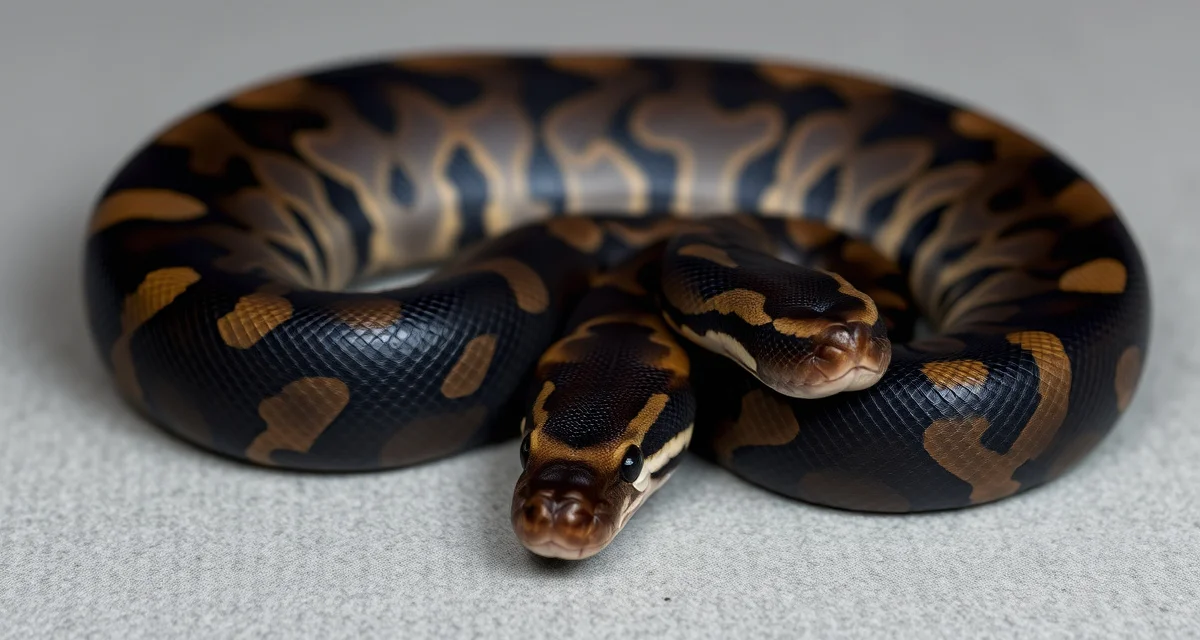
Super GHI is the homozygous form of the GHI morph, two copies of one of the most dramatic melanin-increasing genes in ball pythons. GHI (Gotta Have It) is a co-dominant that darkens base coloration and creates unusual speckled, reduced pattern. Super GHI takes that to an extreme: near-black animals with highly disrupted pattern, sometimes almost patternless in exceptional examples. If you're building a "dark" project, Super GHI is the cornerstone.
TL;DR
- The Super Ghi morph is a documented genetic variant in ball pythons with established inheritance pattern and pricing history.
- Co-dominant morphs express visually in single copy and produce a distinct super form in double copy (with exceptions like Spider where the super is non-viable).
- Recessive morphs require two copies to be visually expressed; single-copy carriers (hets) look identical to normal ball pythons.
- Documented het claims backed by parentage records are worth significantly more at resale than unverified possible-het claims.
- Market prices for any given morph are heavily influenced by production volume, demand trends, and whether the morph stacks well with high-value genes.
Super GHI Genetics
Super GHI = homozygous GHI. Produced from GHI x GHI pairings: 25% normal, 50% single-gene GHI, 25% Super GHI. Any GHI x GHI pairing will produce some Super GHIs in the clutch at that rate.
Super GHI Appearance
Super GHIs are dramatically dark animals. The base coloration deepens to near-black or dark gray, the white belly markings become more extensive, and the dorsal pattern is heavily disrupted or nearly absent in the best examples. They're unusual-looking animals that photograph dramatically. Retail: $400-$700.
Super GHI Combos
- Super GHI Pastel: vivid contrast between the dark GHI base and Pastel brightening; retail $700-$1,200
- Super GHI Mojave: near-black with BEL pathway interaction; retail $600-$1,100
- Super GHI Clown: dark, unusual combo; retail $1,000-$1,800
- Super GHI Pied: near-black saddles on a white base, dramatic contrast; retail $1,000-$1,800
- Super GHI Enchi: orange tones fighting against the dark GHI base; retail $700-$1,200
- Super GHI Spider: extremely dark with pattern disruption; wobble consideration; retail $500-$900
Breeding Super GHI Ball Pythons
Production Setup
GHI x GHI is the direct route to Super GHIs. Keep in mind that your clutch will contain normals, single-gene GHIs, and Super GHIs, all of which are identifiable at hatch through color comparison. Single-gene GHIs and normals are commercial products too.
Adding recessives to your GHI x GHI pairing amplifies the clutch value significantly. Both parents as het Clown means every animal in the clutch, including the normals, carries hidden Clown genetics.
Using Super GHI as a Breeder
Super GHI x Normal produces 100% single-gene GHI offspring. No normals. This is useful if you're trying to populate a GHI-heavy breeding project quickly.
Super GHI x Pastel produces 50% GHI Pastel and 50% GHI. A fully commercial output where every hatchling is vivid.
Incubation and Season Notes
88-90°F, 88-100% humidity, 55-65 days. Breeding season October through March. Log all lock and ovulation dates, GHI females are typically reliable breeders.
Pricing Super GHI Ball Pythons
| Animal | Retail Range |
|--------|-------------|
| Super GHI (female) | $500-$800 |
| Super GHI (male) | $350-$600 |
| Super GHI Pastel | $700-$1,200 |
| Super GHI Mojave | $600-$1,100 |
| Super GHI Clown | $1,000-$1,800 |
| Super GHI Pied | $1,000-$1,800 |
| Super GHI Enchi | $700-$1,200 |
Related Articles
- Super Mojave Ball Python: Genetics, Breeding Outcomes and Pricing
- Super Pastel Ball Python: Genetics, Breeding Outcomes and Pricing
- Super Spider Ball Python: Genetics, Breeding Outcomes and Pricing
- Albino Ball Python: Genetics, Breeding Outcomes and Pricing
FAQ
How is Super GHI different from single-gene GHI ball python?
Super GHI carries two copies of the GHI gene, producing dramatically darker animals with more extensive pattern disruption and reduction than single-gene GHI. The best Super GHIs are near-patternless near-black animals with vivid white belly contrast. When bred to a normal, Super GHI passes one GHI copy to every offspring, 100% single-gene GHI output.
How do professional breeders use Super GHI in combo projects?
Experienced breeders pair Super GHI with genes that create interesting visual contrast, Pastel for brightening, Mojave for BEL pathway interaction, Enchi for orange tone. Super GHI x Pied or Super GHI x Clown projects take time to build but produce extremely high-value visual animals. Breeders typically build Super GHI into programs where recessives are already established, adding GHI to amplify the visual impact of the recessive combo.
What is Super Ghi Ball Python: Genetics, Breeding Outcomes and Pricing?
The Super GHI ball python is the homozygous form of the GHI (Gotta Have It) morph, produced when an animal inherits two copies of the GHI gene. It displays near-black coloration with a heavily disrupted, sometimes nearly patternless appearance. As a co-dominant morph, single-copy GHI animals are visually distinct, while Super GHI takes the darkening effect to its extreme. It is widely regarded as a cornerstone gene for dark-themed breeding projects.
How much does Super Ghi Ball Python: Genetics, Breeding Outcomes and Pricing cost?
Super GHI ball pythons typically range from $300 to $800+ depending on sex, additional morph combinations, and breeder reputation. Plain Super GHI hatchlings sit at the lower end, while animals carrying high-value co-dominant or recessive genes command significant premiums. Market pricing fluctuates with production volume and demand trends. Females generally sell for more than males. Always verify parentage records, as documented het claims and proven lineage increase resale value considerably.
How does Super Ghi Ball Python: Genetics, Breeding Outcomes and Pricing work?
Super GHI is produced by pairing two single-gene GHI ball pythons. That GHI x GHI breeding yields a predictable 25% normal, 50% single-gene GHI, and 25% Super GHI clutch ratio. Because GHI is co-dominant, each outcome is visually identifiable at hatching—no genetic testing required. The Super GHI expresses maximum melanin increase and pattern disruption, making it easy to identify. Adding other genes to the pairing stacks additional traits onto these same percentage outcomes.
What are the benefits of Super Ghi Ball Python: Genetics, Breeding Outcomes and Pricing?
Super GHI anchors dark-themed breeding projects by providing the most intense melanin expression available from the GHI gene. It pairs exceptionally well with other pattern-disrupting or color-enhancing morphs, amplifying their effects. Because it is homozygous, every offspring from a Super GHI will carry at least one copy of GHI, making it highly efficient for passing the gene forward. Its visual impact and genetic reliability make it a valuable long-term investment for serious ball python breeders.
Who needs Super Ghi Ball Python: Genetics, Breeding Outcomes and Pricing?
Super GHI ball pythons are best suited for experienced reptile keepers and breeders focused on dark or melanistic morph projects. Collectors seeking visually dramatic animals will find the near-black coloration highly appealing. Breeders aiming to produce high-value combos—such as Super GHI Clown or Super GHI Pied—will benefit most from owning a proven Super GHI. It is less ideal for beginners on a tight budget, given the higher entry price compared to single-gene or common morphs.
How long does Super Ghi Ball Python: Genetics, Breeding Outcomes and Pricing take?
Ball python incubation takes approximately 55 to 60 days at standard temperatures, regardless of morph. A female ball python reaches breeding maturity around 2 to 3 years of age and a minimum weight near 1,500 grams. From pairing to hatchlings, the full breeding cycle spans roughly 5 to 7 months, including courtship, ovulation, egg deposition, and incubation. Planning a Super GHI project requires multi-season commitment, as producing specific high-value combos may take several clutches to achieve target outcomes.
Sources
- USARK (United States Association of Reptile Keepers)
- World of Ball Pythons (WoBP genetics reference database)
- Association of Reptilian and Amphibian Veterinarians (ARAV)
- MorphMarket (reptile industry marketplace data)
- Ball Python community genetics documentation
Get Started with HatchLedger
Tracking Super Ghi genetics through multiple generations requires connected records that link parent morphs, clutch outcomes, and het status for every animal in your collection. HatchLedger's genetics engine handles this automatically, making buyer documentation accurate and complete. Try it free with up to 20 animals.