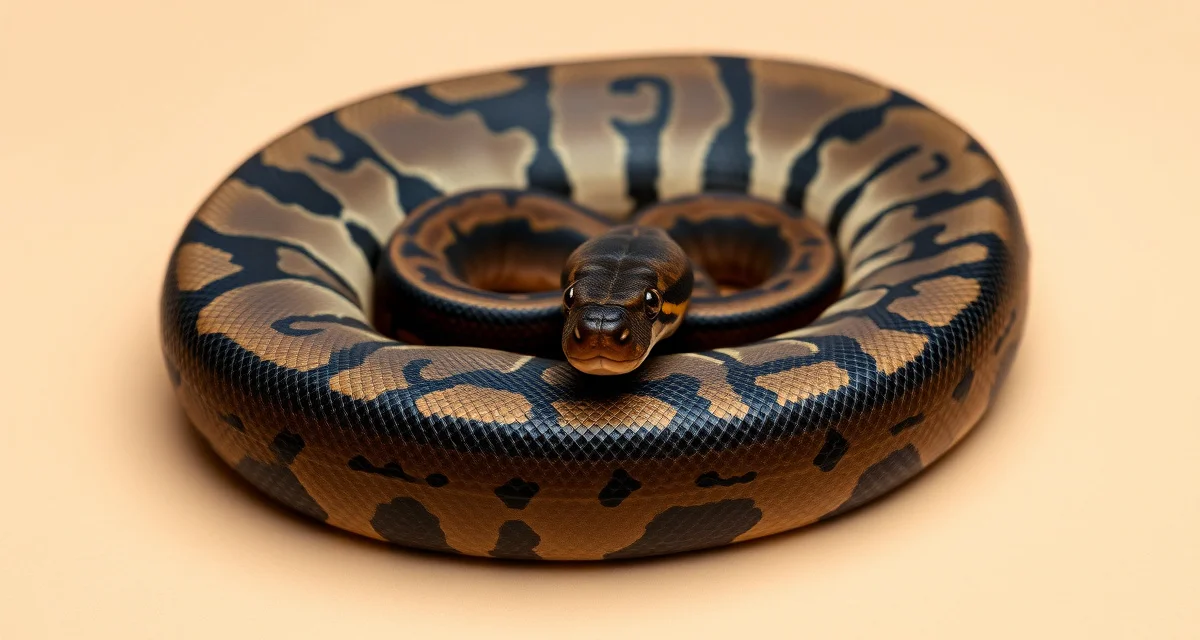
Ghi Ball Python: Genetics, Breeding Outcomes and Pricing
GHi is one of the more recent co-dominant morphs to establish a strong footing in the market, and it's done so because of what it does to combinations. The dark, high-contrast pattern disruption of the GHi gene creates animals that are visually distinctive in a market where a lot of morphs start to look similar. If you're looking for a co-dominant with real combo upside in today's market, GHi is worth understanding.
TL;DR
- The Ghi morph is a documented genetic variant in ball pythons with established inheritance pattern and pricing history.
- Co-dominant morphs express visually in single copy and produce a distinct super form in double copy (with exceptions like Spider where the super is non-viable).
- Recessive morphs require two copies to be visually expressed; single-copy carriers (hets) look identical to normal ball pythons.
- Documented het claims backed by parentage records are worth significantly more at resale than unverified possible-het claims.
- Market prices for any given morph are heavily influenced by production volume, demand trends, and whether the morph stacks well with high-value genes.
GHi Genetics
GHi (pronounced "gee-hi") is co-dominant. Single-copy animals show significant pattern disruption, with a very dark, high-contrast appearance, almost a "muddy" or blackened look compared to normals. Super GHi animals are dramatically darker, with near-complete pattern reduction and a very dark overall coloration.
From GHi × normal:
- 50% GHi
- 50% normal
From GHi × GHi:
- 25% Super GHi
- 50% GHi
- 25% normal
Super GHi: One of the more dramatic super forms in the hobby, very dark, almost charcoal-black with reduced pattern. Not traditionally a "bright" animal but highly distinctive and sought after by collectors who prefer the darker aesthetic.
What Makes GHi Different
Most co-dominant morphs increase brightness or reduce pattern toward a lighter animal. GHi goes the other direction, it darkens, adds contrast, and disrupts pattern toward something that looks dramatically different from anything in the standard pastel/enchi brightness direction.
This matters for combo production because GHi doesn't just add more of what you already have, it adds something visually orthogonal. A GHi Pastel isn't just "brighter with dark pattern", it's a genuinely distinctive combination where the Pastel's yellows contrast dramatically against GHi's darkening effect.
GHi Combos: Where the Value Is
GHi Pastel: High contrast, dramatic combination. Yellow tones from Pastel against GHi's darkening creates a striking animal.
GHi Clown: One of the most desirable GHi combos. The Clown pattern disruption with GHi's dark contrast produces animals with exceptional visual impact.
GHi Mojave: Toward BEL complex interactions. Interesting visual, collector-oriented.
Super GHi Clown: Upper-tier combo. Dark, dramatic, distinctive.
GHi Banana: Orange-toned Banana animals with GHi darkening creates strong contrast.
GHi Pied: Pattern sections show GHi's dark contrast against white. Very attractive.
Visual ID at Hatch
GHi hatchlings are typically identifiable at hatch by their notably darker, higher-contrast appearance compared to normals. The pattern disruption is visible early. Super GHis are dramatically darker at hatch, noticeably more extreme than single-copy.
Confusion with Black Pastel can occur in some lighting conditions, but experienced eyes distinguish them. When uncertain, note as possible GHi/Black Pastel and re-evaluate after first shed.
Pricing
| Animal | Typical Market Price |
|---|---|
| GHi (male) | $100-$200 |
| GHi (female) | $200-$400 |
| Super GHi (male) | $250-$500 |
| Super GHi (female) | $500-$1,000 |
| GHi Clown (male) | $700-$1,500 |
| GHi Clown (female) | $2,000-$5,000 |
| GHi Pastel (male) | $150-$300 |
Building a GHi Project
GHi is an excellent addition to an existing recessive program because:
- Single GHi animals have independent sale value (more than basic Pastels)
- GHi combos with Clown and Pied are distinctively different from standard Pastel combos
- The Super GHi has a collectible aesthetic that commands premiums
The same combo-building roadmap applies: add GHi to het animals in your existing recessive program, then produce GHi-combo visual animals over 2-3 seasons.
FAQ
What is the best approach to ghi ball python morph?
GHi is best utilized for its dark-contrast combo potential, particularly with Clown and Pied where the contrast between GHi's darkening and the pattern disruption of those recessives creates premium animals. Single GHi animals have more standalone value than basic Pastels, the distinctive appearance appeals to collectors. Target GHi Clown and GHi Pied as combo goals.
How do professional breeders handle ghi ball python morph?
Professional GHi breeders position it as a differentiation play, in a market full of Pastel-based combos, GHi produces animals with a distinctively different aesthetic. They focus production on GHi combinations with high-demand recessives and maintain Super GHi breeding animals for maximum gene expression in offspring.
What software helps manage ghi ball python morph?
HatchLedger is purpose-built for reptile breeders, connecting animal records, breeding history, clutch outcomes, and financial tracking in one connected system. Unlike general spreadsheets or notes apps, it's designed around the specific workflow of an active breeding season -- from pairing records through hatchling inventory and sales documentation. Free for up to 20 animals.
Sources
- USARK (United States Association of Reptile Keepers)
- World of Ball Pythons (WoBP genetics reference database)
- Association of Reptilian and Amphibian Veterinarians (ARAV)
- MorphMarket (reptile industry marketplace data)
- Ball Python community genetics documentation
Get Started with HatchLedger
Tracking Ghi genetics through multiple generations requires connected records that link parent morphs, clutch outcomes, and het status for every animal in your collection. HatchLedger's genetics engine handles this automatically, making buyer documentation accurate and complete. Try it free with up to 20 animals.