Super Pastel Ball Python: Genetics, Breeding Outcomes and Pricing
By HatchLedger Editorial Team · Published 2025-04-04 · Updated Mar 13, 2026
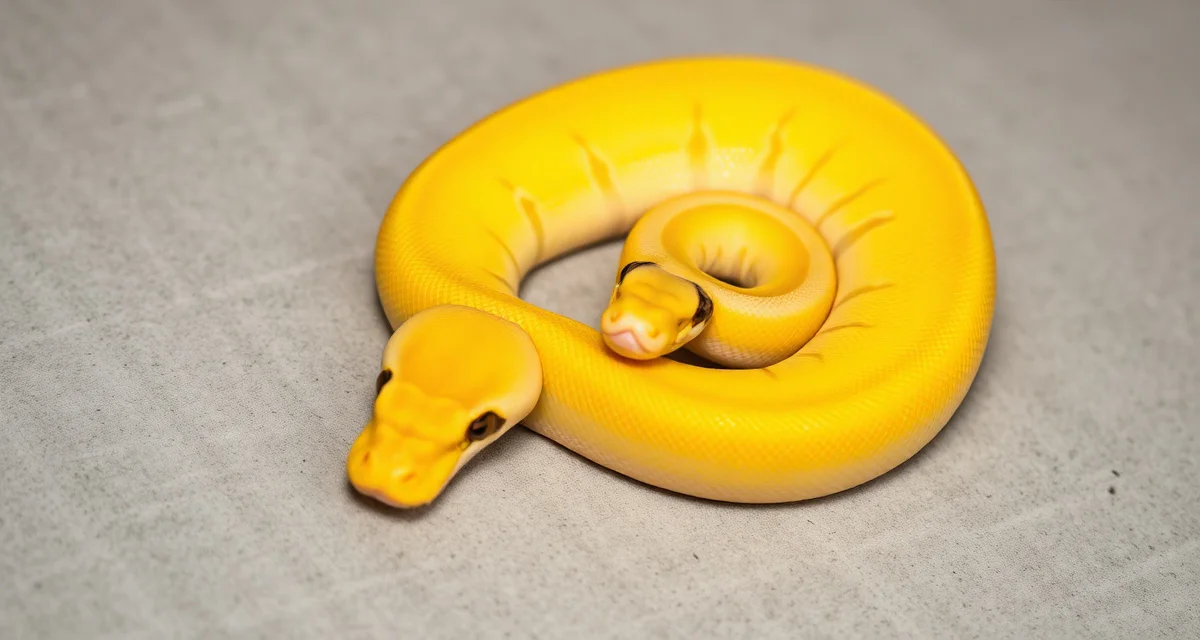
Super Pastel is the homozygous form of one of the most common and versatile morphs in ball pythons. Two copies of the Pastel gene produce an animal that's noticeably brighter and more vivid than the single-gene version, extreme yellow, reduced pattern, clean alien heads. Super Pastels are naturally produced any time two Pastel animals are paired together, and they're foundational to many high-end combo projects.
TL;DR
- The Super Pastel morph is a documented genetic variant in ball pythons with established inheritance pattern and pricing history.
- Co-dominant morphs express visually in single copy and produce a distinct super form in double copy (with exceptions like Spider where the super is non-viable).
- Recessive morphs require two copies to be visually expressed; single-copy carriers (hets) look identical to normal ball pythons.
- Documented het claims backed by parentage records are worth significantly more at resale than unverified possible-het claims.
- Market prices for any given morph are heavily influenced by production volume, demand trends, and whether the morph stacks well with high-value genes.
Super Pastel Genetics
Super Pastel comes from pairing Pastel x Pastel. Ratios: 25% normals, 50% single-gene Pastel, 25% Super Pastel. You can't tell normals from possible-hets at hatch, you're only selecting Super Pastels and single-gene Pastels visually.
Super Pastel Appearance
Super Pastels are significantly brighter than single-gene Pastels. The yellow is vivid to the point of electric, pure yellow animals with reduced brown toning. Pattern contrast is sharp: clean white-bordered alien heads against the yellow base. Some Super Pastels show extensive pattern reduction on their dorsal surface. Retail: $200-$400 depending on quality.
Super Pastel as a Combo Foundation
Super Pastel is most valuable as a building block:
- Super Pastel Clown: vivid, extremely clean animals; retail $900-$1,600
- Super Pastel Pied: white-based with electric yellow saddles; retail $800-$1,500
- Super Pastel Enchi: extremely vivid orange-yellow; retail $400-$800
- Super Pastel GHI: unusual dark-meets-vivid combo; retail $500-$900
- Killer Bee (Super Pastel + Spider): one of the most dramatic combos; retail $400-$700
- Super Pastel Banana: intense color stack; retail $500-$900
Breeding Super Pastel Ball Pythons
Production Notes
Any Pastel x Pastel pairing produces Super Pastels statistically. If you're running Pastel as a primary line, you'll accumulate Super Pastels naturally. They're often held back as breeders or sold as high-value single animals.
For breeders targeting Super Pastel combos specifically: breed your Super Pastel to animals carrying the target recessive. Super Pastel het Clown females paired with a male het Clown give you the chance at Super Pastel Clown offspring, a commercially excellent outcome.
Breeding Season Records
Keep your Pastel x Pastel pairing records separate from pairings involving Super Pastel animals. HatchLedger's pairing records let you note which parent is a single-gene Pastel and which is a Super Pastel, this matters for predicting offspring and pricing them correctly.
Hatchling ID
Super Pastels are usually identifiable at hatch, they're clearly brighter than single-gene Pastels in the same clutch. Comparing all three phenotypes (Super, single-gene, normal) side by side makes ID straightforward.
Incubation
88-90°F, 88-100% humidity, 55-65 days. Standard parameters.
Pricing Super Pastel Ball Pythons
| Animal | Retail Range |
|--------|-------------|
| Super Pastel (female) | $275-$450 |
| Super Pastel (male) | $175-$300 |
| Super Pastel Clown | $900-$1,600 |
| Super Pastel Pied | $800-$1,500 |
| Super Pastel Enchi | $400-$800 |
| Super Pastel GHI | $500-$900 |
| Super Pastel Spider (Killer Bee) | $400-$700 |
Related Articles
- Super Enchi Ball Python: Genetics, Breeding Outcomes and Pricing
- Super Ghi Ball Python: Genetics, Breeding Outcomes and Pricing
- Super Mojave Ball Python: Genetics, Breeding Outcomes and Pricing
- Super Spider Ball Python: Genetics, Breeding Outcomes and Pricing
FAQ
How is Super Pastel different from single-gene Pastel?
Super Pastel carries two copies of the Pastel gene (homozygous). The visual difference is significant: Super Pastels are much brighter, more vivid yellow, with sharper pattern contrast and more pattern reduction than single-gene animals. They also produce more Pastel offspring when bred, all offspring from a Super Pastel x Normal pairing will be single-gene Pastels.
How do professional breeders use Super Pastel in their programs?
Super Pastels are typically used as high-value combo-production breeders. Pairing a Super Pastel with a het recessive animal means every single visual offspring carries the Pastel amplification, increasing overall clutch value. Many breeders build toward Super Pastel Clown or Super Pastel Pied as their "flagship" output by routing Super Pastels into recessive het lines.
What is Super Pastel Ball Python: Genetics, Breeding Outcomes and Pricing?
The Super Pastel ball python is the homozygous form of the Pastel morph, produced when a snake inherits two copies of the Pastel gene. It displays extreme yellow coloration, reduced pattern, and clean alien head markings — noticeably more vivid than single-gene Pastels. Because any Pastel-to-Pastel pairing can produce them, Super Pastels are common in collections and serve as a foundational building block for high-end combo morphs.
How much does Super Pastel Ball Python: Genetics, Breeding Outcomes and Pricing cost?
Super Pastel ball pythons typically range from $75 to $300 as standalone animals, reflecting their widespread availability. Prices rise significantly when Super Pastel is combined with high-value recessive or co-dominant genes — combos can reach $500 to $2,000 or more. Verified parentage documentation, sex, and the breeder's reputation all influence final pricing. Females generally command a premium over males due to breeding potential.
How does Super Pastel Ball Python: Genetics, Breeding Outcomes and Pricing work?
Super Pastel inheritance follows standard co-dominant genetics. Pairing two single-gene Pastel animals produces a 1:2:1 ratio — 25% normal, 50% single-gene Pastel, and 25% Super Pastel. The Super form is visually distinct and cannot carry hidden copies of the gene. Because Super Pastels are homozygous for Pastel, every offspring they produce will carry at least one copy of the Pastel gene.
What are the benefits of Super Pastel Ball Python: Genetics, Breeding Outcomes and Pricing?
Super Pastel's primary value is as a genetic multiplier. Every offspring from a Super Pastel pairing is guaranteed to carry Pastel, making it efficient for building combo projects. Its bright yellow base enhances the visual expression of nearly every morph it's paired with — recessive genes like Clown or Pied, and co-dominants like Enchi or Mojave, all benefit from the added contrast and saturation Super Pastel provides.
Who needs Super Pastel Ball Python: Genetics, Breeding Outcomes and Pricing?
Super Pastel ball pythons suit breeders at any level who want to reliably produce Pastel offspring and build toward high-end combos. Hobbyists value them as approachable projects with predictable outcomes. Serious collectors use Super Pastels as anchor animals in multi-gene breeding programs. They are less relevant for keepers who only want a single display animal, since the genetic advantage matters most when breeding is the goal.
How long does Super Pastel Ball Python: Genetics, Breeding Outcomes and Pricing take?
Producing a Super Pastel takes one full breeding season — typically 6 to 12 months from pairing to hatchlings. Ball pythons incubate eggs for approximately 55 to 65 days. From there, hatchlings need 6 to 18 months to reach a sellable or breedable size. Planning a specific Super Pastel combo project from initial pairing to first-generation offspring realistically takes one to two years depending on your breeding timeline and goals.
Sources
- USARK (United States Association of Reptile Keepers)
- World of Ball Pythons (WoBP genetics reference database)
- Association of Reptilian and Amphibian Veterinarians (ARAV)
- MorphMarket (reptile industry marketplace data)
- Ball Python community genetics documentation
Get Started with HatchLedger
Tracking Super Pastel genetics through multiple generations requires connected records that link parent morphs, clutch outcomes, and het status for every animal in your collection. HatchLedger's genetics engine handles this automatically, making buyer documentation accurate and complete. Try it free with up to 20 animals.