Super Mojave Ball Python: Genetics, Breeding Outcomes and Pricing
By HatchLedger Editorial Team · Published 2025-03-28 · Updated Mar 13, 2026
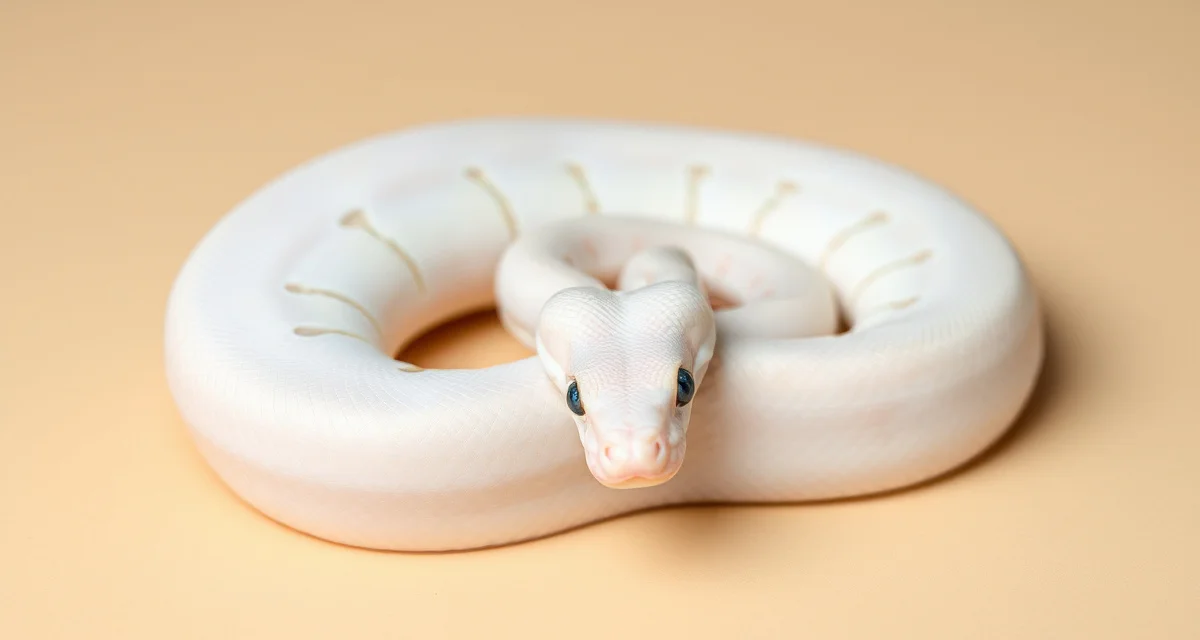
Super Mojave is the homozygous Mojave, and it's one of the most commercially significant super forms in ball pythons. Why? Because Super Mojave is a Blue-Eyed Leucistic (BEL). Two copies of the Mojave gene produce a fully white or off-white animal with blue eyes, one of the most sought-after visual outcomes in the hobby. BEL animals are consistently in demand, and Super Mojave is one of the most straightforward routes to producing them.
TL;DR
- The Super Mojave morph is a documented genetic variant in ball pythons with established inheritance pattern and pricing history.
- Co-dominant morphs express visually in single copy and produce a distinct super form in double copy (with exceptions like Spider where the super is non-viable).
- Recessive morphs require two copies to be visually expressed; single-copy carriers (hets) look identical to normal ball pythons.
- Documented het claims backed by parentage records are worth significantly more at resale than unverified possible-het claims.
- Market prices for any given morph are heavily influenced by production volume, demand trends, and whether the morph stacks well with high-value genes.
Super Mojave / BEL Genetics
Super Mojave is produced when two Mojave animals are paired together: Mojave x Mojave = 25% normal, 50% Mojave, 25% Super Mojave (BEL).
But Mojave isn't the only gene that produces BEL. The BEL complex includes:
- Mojave x Mojave = Super Mojave (BEL)
- Lesser x Lesser = Super Lesser (BEL)
- Butter x Butter = Super Butter (BEL)
- Phantom x Phantom = Super Phantom (BEL)
- Mojave x Lesser, Mojave x Butter, Mojave x Phantom, Lesser x Phantom, etc. = compound BEL animals
All of these produce the BEL phenotype, white body, blue eyes. The genes inside each BEL can differ, which matters for breeding.
Super Mojave (BEL) Appearance
Super Mojaves are clean white animals with bright blue eyes. Some show a very faint yellowish tinge or blush on the head, but the best examples are pure white. They're visually stunning and consistently among the most photographed animals in ball python collections. Retail: $300-$600 for a clean Super Mojave.
Why Know Which BEL Genes Your Animal Carries
If you pair your BEL to another snake, the offspring depend on what's inside. A Super Mojave (containing only Mojave) paired to a Normal produces all single-gene Mojave offspring. A compound BEL (Mojave + Lesser) paired to a Normal produces 25% each of Mojave, Lesser, Mojave Lesser (compound), and normals.
For buyers who want to continue breeding with a BEL, the internal genetics matter significantly. Document clearly.
Super Mojave Combos
- Super Mojave GHI: dark patterning meets BEL expression; some animals show ghostly pattern; retail $600-$1,000
- Super Mojave Pastel: slight color modification on BEL; vivid eyes; retail $400-$800
- Super Mojave Clown: white animal with subtle clown-influenced head markings; retail $900-$1,600
- Super Mojave Pied: BEL with pied? Complex genetics, unusual outcome; retail $800-$1,500
Breeding Super Mojave Ball Pythons
The Mojave x Mojave Pairing
This is the simplest and most productive BEL production strategy. From each clutch:
- 25% normals, sellable but lowest value
- 50% single-gene Mojaves, good value, especially as breeders
- 25% Super Mojaves (BEL), premium retail
Add het Clown or het Pied to both parents and the value of every animal in the clutch increases substantially.
Other BEL Routes
Mojave x Lesser is also common for producing BELs. From this cross:
- 25% Mojave, 25% Lesser, 25% Mojave Lesser (BEL), 25% normal
Compound BELs (Mojave Lesser) often show slightly different appearance than Super Mojave, some have yellower or creamier tones rather than pure white. Document which genes each BEL carries.
Season and Incubation
Breeding season October-March. 88-90°F, 88-100% humidity, 55-65 days incubation. Log lock dates and ovulations in HatchLedger, Mojave females are reliable breeders.
Pricing Super Mojave Ball Pythons
| Animal | Retail Range |
|--------|-------------|
| Super Mojave / BEL (female) | $400-$700 |
| Super Mojave / BEL (male) | $275-$500 |
| Single-gene Mojave (female) | $100-$200 |
| Mojave Pastel | $175-$350 |
| Super Mojave Clown | $900-$1,600 |
| Super Mojave Pied | $800-$1,500 |
| Mojave Lesser (compound BEL) | $300-$600 |
Related Articles
- Super Ghi Ball Python: Genetics, Breeding Outcomes and Pricing
- Super Pastel Ball Python: Genetics, Breeding Outcomes and Pricing
- Super Spider Ball Python: Genetics, Breeding Outcomes and Pricing
- Albino Ball Python: Genetics, Breeding Outcomes and Pricing
FAQ
Is Super Mojave the same as a Blue-Eyed Leucistic ball python?
Yes. Super Mojave is one of several gene combinations that produce the Blue-Eyed Leucistic phenotype. A Super Mojave is homozygous for the Mojave gene, resulting in a fully white or off-white animal with blue eyes. Other BEL combinations include Super Lesser, Super Butter, Mojave Lesser, and various other compound pairings from the BEL complex.
How do professional breeders choose between BEL routes?
Most experienced breeders consider the ongoing value of each gene in their program. Mojave is versatile, single-gene Mojaves are attractive animals with a visible phenotype and strong price. Lesser and Butter single-gene animals are subtler visually but have the same BEL pathway access. Breeders with het Clown or het Pied investment typically choose the BEL gene that best complements their existing recessive lines.
What is Super Mojave Ball Python: Genetics, Breeding Outcomes and Pricing?
The Super Mojave ball python is the homozygous (double-copy) form of the Mojave co-dominant morph. When two copies of the Mojave gene combine, they produce a Blue-Eyed Leucistic (BEL) — a fully white or off-white animal with striking blue eyes. It's one of the most visually dramatic outcomes in ball python breeding and remains consistently in demand among hobbyists and commercial breeders alike.
How much does Super Mojave Ball Python: Genetics, Breeding Outcomes and Pricing cost?
Super Mojave ball pythons typically sell for $150–$400 depending on breeder reputation, lineage documentation, and whether additional morph genes are present. Base BEL animals are more affordable than combo morphs stacking high-value genes. Prices have stabilized as production volume has increased, but clean, well-documented animals from reputable breeders still command a premium over unverified stock.
How does Super Mojave Ball Python: Genetics, Breeding Outcomes and Pricing work?
Super Mojave follows co-dominant inheritance. Pairing two Mojave animals produces a statistical clutch of 25% normals, 50% single-copy Mojaves, and 25% Super Mojaves (BELs). Single-copy Mojaves are visually distinct and can be used in future pairings. The super form is fully viable, unlike some other super morphs, making it a reliable and repeatable production target.
What are the benefits of Super Mojave Ball Python: Genetics, Breeding Outcomes and Pricing?
Super Mojave offers breeders a straightforward path to producing Blue-Eyed Leucistics without needing multiple recessive genes. BELs are consistently marketable, and Mojave stacks well with many other morphs, expanding combo possibilities. Because Mojave is co-dominant, visual carriers are easy to identify and select for breeding, reducing guesswork compared to working with unconfirmed het animals.
Who needs Super Mojave Ball Python: Genetics, Breeding Outcomes and Pricing?
Super Mojave appeals to breeders at every level — beginners benefit from its simple, predictable genetics, while experienced breeders use it as a foundation for high-value combos. Collectors seeking BEL animals are the primary buyers. Anyone building a ball python breeding program around white or light-colored animals will find Super Mojave one of the most efficient and commercially viable routes available.
How long does Super Mojave Ball Python: Genetics, Breeding Outcomes and Pricing take?
Producing a Super Mojave requires pairing two Mojave animals, which means working within a standard ball python breeding season. Females typically lay eggs 30–60 days after a successful lock. Incubation runs approximately 55–60 days. From pairing to hatchlings, expect roughly 4–6 months. Selectively breeding up to Mojave stock if starting from scratch adds one or more additional seasons to the timeline.
Sources
- USARK (United States Association of Reptile Keepers)
- World of Ball Pythons (WoBP genetics reference database)
- Association of Reptilian and Amphibian Veterinarians (ARAV)
- MorphMarket (reptile industry marketplace data)
- Ball Python community genetics documentation
Get Started with HatchLedger
Tracking Super Mojave genetics through multiple generations requires connected records that link parent morphs, clutch outcomes, and het status for every animal in your collection. HatchLedger's genetics engine handles this automatically, making buyer documentation accurate and complete. Try it free with up to 20 animals.