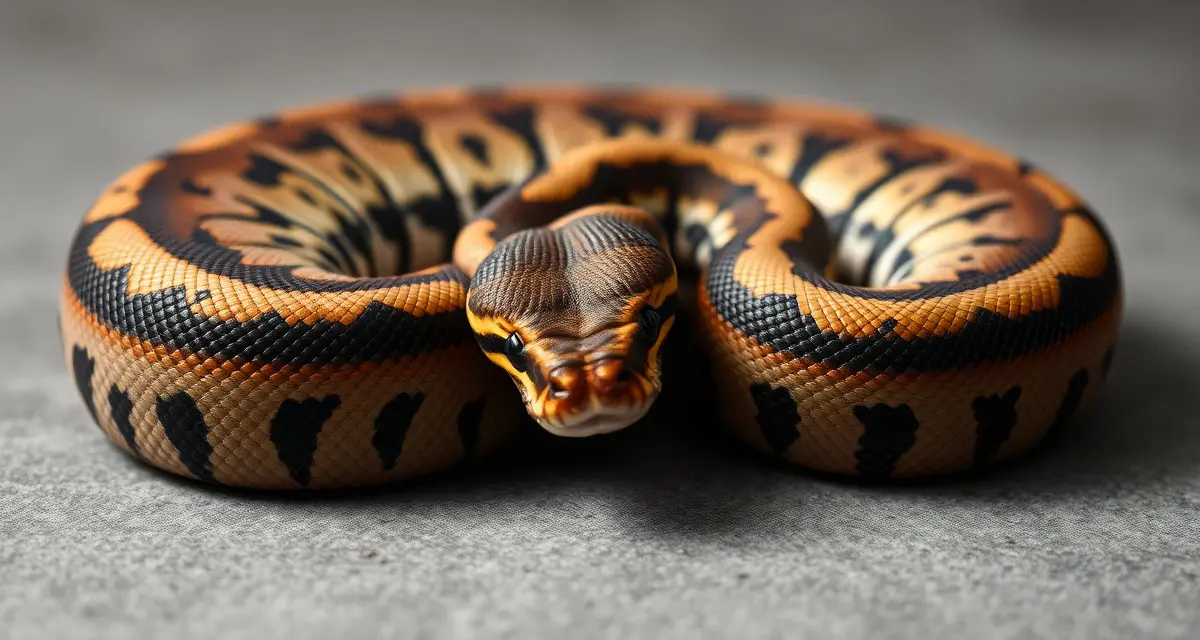
Super Spider Ball Python: Genetics, Breeding Outcomes and Pricing
Super Spider is the homozygous form of the Spider gene, two copies of Spider in one animal. Unlike most other co-dominant super forms, Super Spider is not viable. Animals born with two copies of the Spider gene have severely compromised neurology and cannot survive. This is a critical fact for any breeder working with Spider or Spider-combo animals.
TL;DR
- The Super Spider morph is a documented genetic variant in ball pythons with established inheritance pattern and pricing history.
- Co-dominant morphs express visually in single copy and produce a distinct super form in double copy (with exceptions like Spider where the super is non-viable).
- Recessive morphs require two copies to be visually expressed; single-copy carriers (hets) look identical to normal ball pythons.
- Documented het claims backed by parentage records are worth significantly more at resale than unverified possible-het claims.
- Market prices for any given morph are heavily influenced by production volume, demand trends, and whether the morph stacks well with high-value genes.
Why Super Spider Is Not Produced Intentionally
Spider is a co-dominant gene. The single-gene form causes the well-known neurological wobble, a head tremor and balance dysfunction that varies in severity. When two Spider-carrying animals are bred together, 25% of offspring receive two copies of the Spider gene. These Super Spider hatchlings are born with extreme neurological dysfunction, they cannot move normally, cannot eat, and typically die within hours to days. They require immediate euthanasia.
Never intentionally pair two Spider-carrying animals. This includes:
- Spider x Spider
- Spider x any Spider combo (Bumble Bee, Spinner, Wookie, etc.)
- Bumble Bee x Bumble Bee (both carry Spider)
- Spinner x Spider
- Any combination where both parents carry the Spider gene
The 25% Problem
In any Spider x Spider pairing, 25% of offspring will be Super Spider. Even if you're trying to produce Bumble Bees and Spider combos, you're guaranteeing a percentage of non-viable, severely suffering hatchlings. Responsible breeders don't make these pairings.
Single-Gene Spider: What You Can Breed Responsibly
Single-gene Spider animals carry the wobble condition but can live normal lives with appropriate care. Many reach breeding size and breed successfully. The wobble ranges from mild head oscillation under stress to severe rolling and disorientation.
Responsible Spider breeding:
- Only pair Spider to non-Spider animals
- Disclose the wobble condition to every buyer
- Include wobble information in all buyer documentation
Spider Combos: Single-Gene Only
- Spider x Pastel = Bumble Bee (25% chance per egg)
- Spider x Pinstripe = Spinner (25% chance per egg)
- Spider x Cinnamon = Wookie (25% chance per egg, also risk from Cinnamon)
- Spider x Clown het = Spider het Clown
All these are safe single-gene-Spider combos. No second Spider copy is introduced.
Pricing Spider Animals
| Animal | Typical Retail |
|--------|---------------|
| Single-gene Spider (female) | $100-$200 |
| Single-gene Spider (male) | $75-$150 |
| Bumble Bee (Spider Pastel) | $250-$450 |
| Spinner (Spider Pinstripe) | $200-$400 |
| Spider Clown | $700-$1,400 |
| Spider Pied | $600-$1,200 |
Tracking Spider Pairings in HatchLedger
HatchLedger's breeding planner lets you tag all Spider-gene animals so the system can flag unsafe pairings before they're set up. When both animals in a proposed pairing carry Spider, the planner's genetic overview makes this immediately visible.
This type of pairing-level safeguard is one of the most concrete operational benefits of breeding management software. Memory fails; software records don't.
FAQ
Is Super Spider ball python viable?
No. Super Spider (homozygous Spider, two copies of the gene) is not a viable animal. Hatchlings born with two Spider gene copies have extreme neurological dysfunction and require euthanasia. Responsible breeders never intentionally produce Super Spider animals by pairing two Spider-carrying animals together.
How do professional breeders prevent accidentally producing Super Spider?
The core rule is simple: never pair two Spider-gene animals together. Experienced breeders maintain complete genetic records for every animal in their collection and verify that proposed pairings don't involve two Spider-carrying animals. HatchLedger's breeding planner shows each animal's gene makeup and makes incompatible pairings visually obvious before any introduction occurs.
Sources
- USARK (United States Association of Reptile Keepers)
- World of Ball Pythons (WoBP genetics reference database)
- Association of Reptilian and Amphibian Veterinarians (ARAV)
- MorphMarket (reptile industry marketplace data)
- Ball Python community genetics documentation
Get Started with HatchLedger
Tracking Super Spider genetics through multiple generations requires connected records that link parent morphs, clutch outcomes, and het status for every animal in your collection. HatchLedger's genetics engine handles this automatically, making buyer documentation accurate and complete. Try it free with up to 20 animals.