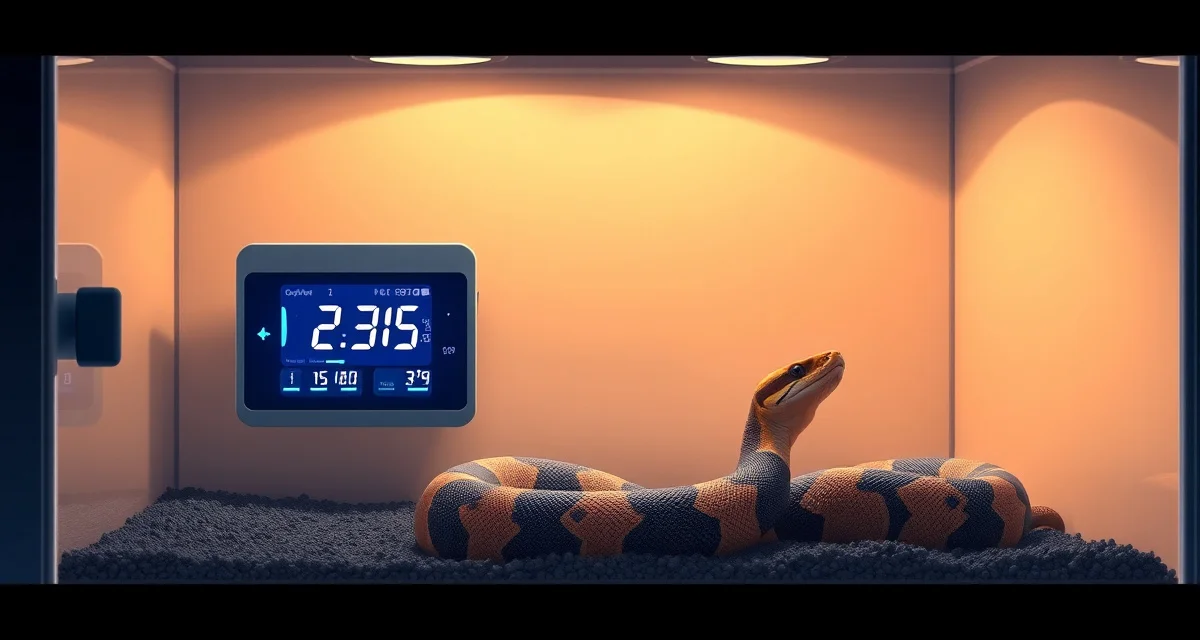
Ball Python Winter Cooling Protocol: A Step-by-Step Guide
By HatchLedger Editorial Team · Published 2025-06-17 · Updated Mar 13, 2026
Implementing a cooling protocol is the most reliable way to trigger the breeding season in your ball pythons. It mimics the mild seasonal temperature drop of their native range and appears to prime both males and females for reproductive activity when temperatures rise again in late winter. Breeders using integrated software report 30% less time on administrative tasks, giving you more time to execute and monitor the cooling protocol that drives your breeding calendar.
TL;DR
- Ball python breeding operations require systematic record-keeping from pre-season preparation through end-of-season sales.
- Females at 1,200-1,500g or more are the target weight before introducing them to a breeding male.
- Ovulation detection is the key event that anchors pre-lay shed and lay date calculations.
- Clutch profitability guide depends on understanding actual cost basis per animal, not just gross sale revenue.
- Well-documented animals with complete feeding histories and clear genetic records consistently sell faster and at higher prices.
When to Start Cooling
Most breeders begin cooling in October or November, after summer feeding has conditioned their animals to target weight.
The specific timing in your calendar depends on when you want to start pairings. Work backward from your desired pairing start date:
- Active pairings typically begin 4-8 weeks after cooling starts
- Temperature increase at the end of cooling signals the start of breeding season
- Most breeding programs run pairings from November through February
A common calendar:
- October: Begin gradual temperature reduction
- November: Temperatures at lowest point, minimal feeding, begin introducing males
- December-January: Peak breeding season, regular pairings
- February: Begin gradual temperature increase
- March-April: Normal temperatures restored, breeding season ends
Temperature Targets for Cooling
Pre-cooling normal temperatures:
- Warm side: 88-92°F
- Cool side: 76-80°F ambient
Target cooling temperatures:
- Warm side: 78-82°F
- Cool side: 70-74°F ambient
This is a modest reduction of roughly 8-12°F from normal. Ball pythons should never be cooled below 70°F ambient.
Do not try to cool too aggressively. The goal is a mild temperature reduction that mimics the dry season temperature change in their native range, not cold storage.
How to Reduce Temperatures Gradually
Abrupt temperature changes stress animals and can trigger health issues, particularly respiratory infections.
Recommended cooling schedule:
- Week 1: Reduce temperatures by 2-3°F
- Week 2: Reduce an additional 2-3°F
- Week 3: Reduce to target temperature
This gradual reduction over 3-4 weeks is gentler on the animals' systems and reduces the risk of respiratory infections that can occur when immune function is stressed by sudden temperature drops.
Feeding During Cooling
Opinions differ on whether to maintain feeding during cooling. The main approaches:
Full feeding stop: Some breeders stop feeding entirely once temperatures reach the target low. The reasoning: at reduced temperatures, digestion is impaired and uneaten or poorly digested food creates health risks.
Reduced feeding: Others continue offering food less frequently (every 3-4 weeks rather than every 10-14 days) with smaller prey items during the coolest period.
Individual response: Some animals stop accepting food on their own when cooled; others continue eating. Let the animal's behavior guide you within your chosen framework.
The primary risk of feeding during cooling is offering prey when the snake can't digest it properly. Regurgitation and bacterial infections can result from prey sitting in a cooled, slowed digestive system.
If you continue offering food during cooling, use smaller prey and extend your intervals.
Monitoring During Cooling
Check every animal regularly during the cooling period. Watch for:
- Respiratory symptoms (wheezing, mucus, open-mouth breathing)
- Unusual lethargy beyond the expected slowdown
- Weight loss that seems excessive for the cooling period
- Any animal that seems uncomfortable rather than settled
Healthy animals in a well-implemented cooling protocol should be calm and settled, though less active than normal. An animal showing distress or respiratory symptoms needs veterinary attention regardless of where you are in your cooling schedule.
Weigh animals at the start of cooling and periodically through the period. A small amount of weight loss is expected; rapid or excessive weight loss warrants a closer look.
Coming Out of Cooling
Raising temperatures at the end of cooling signals the start of breeding season. This temperature increase should also be gradual:
- Week 1: Increase by 2-3°F
- Week 2: Increase an additional 2-3°F
- Week 3: Return to normal temperatures
Resume feeding once temperatures are back to normal and animals are showing increased activity. Males will typically become much more active and begin showing breeding behavior as temperatures rise.
Log your cooling start date, target temperatures achieved, feeding decisions, and cooling end date in your breeding calendar in HatchLedger's seasonal management system. This creates a seasonal record you can refine year after year. For record-keeping tools that support breeding calendar management, see the reptile breeder software comparison.
Frequently Asked Questions
What is the best approach to a ball python winter cooling protocol?
Reduce temperatures gradually over 3-4 weeks from normal levels (88-90°F warm side) to target cooling temperatures (78-82°F warm side). Never go below 70°F ambient. Decide on your feeding approach for the cooling period and implement it consistently. Monitor animals for health issues, particularly respiratory symptoms. Bring temperatures back up gradually in late winter to signal the start of breeding season. Document everything so you can refine your protocol each season.
How do professional breeders handle ball python winter cooling protocols?
Established breeders implement cooling on a calendar schedule they've refined over multiple seasons. They track when cooling begins and ends each year and compare those dates against breeding season productivity. Some have found that adjusting their timing by 2-3 weeks in either direction significantly affects breeding response in their specific animals. This kind of refinement only happens with consistent records across years.
What software helps manage ball python winter cooling and breeding calendar records?
HatchLedger is purpose-built for reptile breeders, connecting animal records, breeding history, clutch outcomes, and financial tracking in one system. Unlike generic spreadsheets, it's designed around the specific workflow of an active breeding season. Free for up to 20 animals.
What records should every reptile breeder maintain per animal?
At minimum: acquisition date and source, morph and genetic documentation, feeding log, weight history, any veterinary treatments, and breeding history including pairing dates, clutch of origin for captive-bred animals, and offspring records. These records serve your own management, buyer documentation, regulatory compliance, and long-term genetic tracking.
How should reptile breeders document genetics for buyers?
A complete genetic record for sale includes the animal's visual morph name, confirmed het genes and their basis (parentage documentation or proven-out production), possible het genes with probability percentages, hatch date, and parent morph information. Including clutch-of-origin records lets buyers independently verify the claims.
What is Ball Python Winter Cooling Protocol: A Step-by-Step Guide?
A ball python winter cooling protocol is a structured seasonal temperature reduction program that mimics the mild climate shifts of ball pythons' native West African range. By gradually lowering ambient temperatures in late fall, breeders trigger hormonal changes that prime both males and females for reproductive activity. When temperatures rise again in late winter, animals are physiologically prepared to breed, resulting in more reliable pairings, ovulation events, and successful clutches throughout the season.
How much does Ball Python Winter Cooling Protocol: A Step-by-Step Guide cost?
The cooling protocol itself has no direct monetary cost beyond your existing husbandry setup. However, indirect costs include reduced feeding during the cooling period and the time investment in monitoring temperatures and animal condition. Breeders using dedicated reptile management software report saving around 30% of administrative time, which can offset operational costs and help track the true cost basis per clutch — critical for understanding actual profitability beyond gross sale revenue.
How does Ball Python Winter Cooling Protocol: A Step-by-Step Guide work?
The protocol works by gradually reducing enclosure temperatures over several weeks beginning in October or November, simulating the subtle seasonal temperature drop ball pythons experience in the wild. Females are conditioned to a target weight of 1,200–1,500g or more before cooling begins. Once cooled temperatures are maintained for the appropriate duration, warmth is slowly restored, triggering breeding readiness. Pairings are then introduced, with breeders monitoring closely for ovulation — the key event that anchors all subsequent timeline calculations.
What are the benefits of Ball Python Winter Cooling Protocol: A Step-by-Step Guide?
Cooling reliably synchronizes your breeding season, increasing the likelihood of successful pairings and ovulation events. Animals that undergo proper cooling cycles tend to breed more consistently than those kept at stable year-round temperatures. The protocol also helps breeders plan logistics in advance — working backward from a target pairing date allows precise scheduling of feeding, weight checks, and introductions. Well-documented animals with complete breeding histories also command higher sale prices and sell faster than those with incomplete records.
Who needs Ball Python Winter Cooling Protocol: A Step-by-Step Guide?
Any ball python breeder aiming for consistent reproductive success should implement a winter cooling protocol. It's especially important for breeders working with multiple females who need synchronized pairing windows. Hobbyists producing one or two clutches per year benefit from the improved reliability, while larger operations depend on it to coordinate pairings, incubation schedules, and hatchling sales across the season. Females not yet at target weight or animals in poor condition should be excluded until properly conditioned.
How long does Ball Python Winter Cooling Protocol: A Step-by-Step Guide take?
A typical cooling protocol spans 8–12 weeks from initial temperature reduction through the gradual warm-up phase. Most breeders begin cooling in October or November and restore temperatures by January or February, allowing pairings to start in late winter. From first pairing to clutch lay, add another 30–60 days depending on ovulation timing. Including incubation — typically 55–60 days for ball pythons — the full cycle from cooling start to hatchlings can span six to eight months total.
Related Articles
- Ball Python Enchi Morph: Breeding Guide, Top Combos, and Genetic Ratios
- Ball Python Piebald Breeding Guide: Recessive Genetics, Pied Combos, and Project Planning
Sources
- USARK (United States Association of Reptile Keepers)
- Association of Reptilian and Amphibian Veterinarians (ARAV)
- World of Ball Pythons (WoBP genetics reference database)
- MorphMarket (reptile industry marketplace)
- Reptiles Magazine (Bowtie Inc.)
Get Started with HatchLedger
Every part of a ball python breeding operation -- from pairing records to clutch documentation to financial tracking -- works better when the data is connected rather than scattered across notebooks and spreadsheets. HatchLedger is built for exactly that. Try it free with up to 20 animals.