Ball Python Cinnamon Morph Breeding Guide: Genetics, Combos, and What to Expect
By HatchLedger Editorial Team · Published 2025-06-07 · Updated Mar 13, 2026
The Cinnamon ball python is one of the most underrated morphs in the hobby. It's affordable, widely available, and sits in a genetic complex that produces some of the most dramatic combo morphs you can breed. Breeders using integrated software report 30% less time on administrative tasks, which matters when you're running multiple Cinnamon pairings alongside the rest of your collection.
TL;DR
- Ball python breeding operations require systematic record-keeping from pre-season preparation through end-of-season sales.
- Females at 1,200-1,500g or more are the target weight before introducing them to a breeding male.
- Ovulation detection is the key event that anchors pre-lay shed and lay date calculations.
- Clutch profitability guide depends on understanding actual cost basis per animal, not just gross sale revenue.
- Well-documented animals with complete feeding histories and clear genetic records consistently sell faster and at higher prices.
If you're not tracking your Cinnamon pairings carefully, you're leaving money on the table. The Cinnamon gene sits in the same incomplete dominant complex as Black Pastel, and knowing exactly which animals carry which gene determines whether your Super Cinnamons are stunning or carry unwanted neurological traits. This guide walks you through everything you need to know.
What Is the Cinnamon Morph?
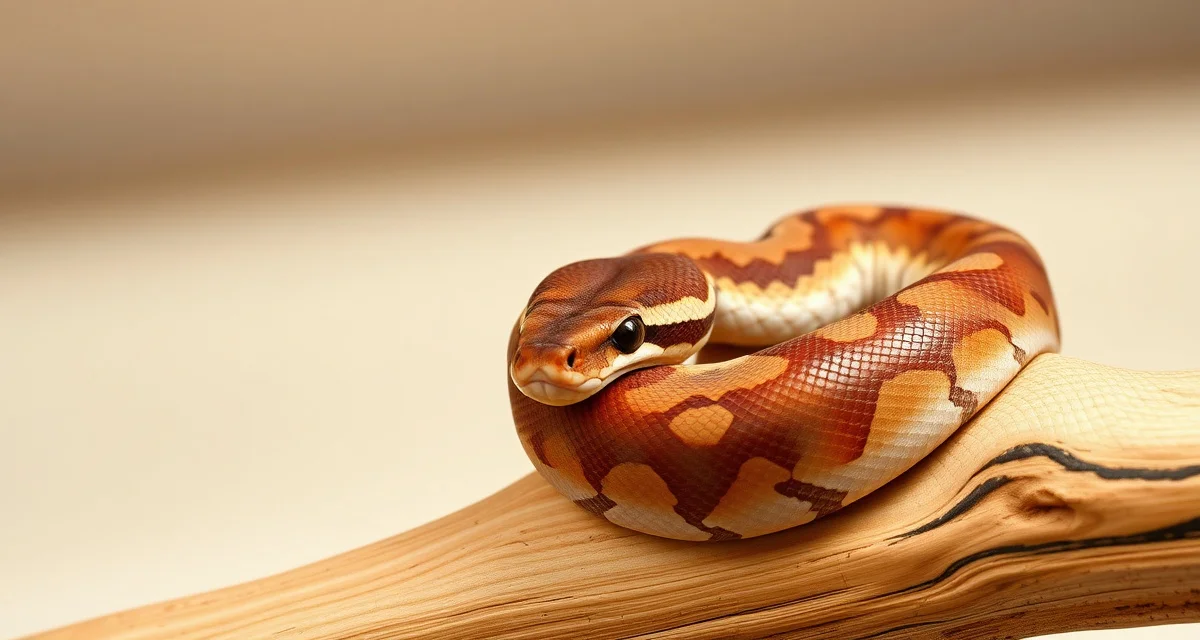
Cinnamon is an incomplete dominant (sometimes called codominant) mutation. A single-copy Cinnamon displays a brown, caramel-toned base color with faded, compressed pattern elements. The dorsal pattern often appears "squished" with reduced dark borders around the alien head markings. Belly coloration tends toward off-white to faint tan.
When you breed two Cinnamons together, 25% of the clutch will be Super Cinnamons. These animals are typically solid dark brown to near-black, sometimes described as looking like a very dark Black Pastel. Super Cinnamons are generally healthy and have a good quality of life, which makes them much more desirable than the homozygous Black Pastel (Super Black Pastel), which frequently presents with severe neurological wobble.
The Cinnamon/Black Pastel Complex
This is where Cinnamon gets complicated and exciting. Cinnamon and Black Pastel are allelic, meaning they occupy the same gene locus. When you breed a Cinnamon to a Black Pastel, offspring can be:
- Normal (no copies of either gene)
- Cinnamon (one copy Cinnamon)
- Black Pastel (one copy Black Pastel)
- Cinnamon/Black Pastel (one copy of each)
That Cinnamon/Black Pastel animal is phenotypically distinct from either parent, darker than a Cinnamon and often more washed-out than a Black Pastel. It's frequently sold as its own animal. But here's the critical record-keeping point: if you don't log which parent carried which gene, you can easily misidentify offspring and mislabel your sales animals.
This is exactly the kind of scenario where HatchLedger's breeding records save you from expensive mistakes. When you log the specific gene for each parent (Cinnamon vs. Black Pastel), every offspring's possible genetics populates automatically.
Top Cinnamon Combo Morphs to Breed For
Cinnamon Pastel: One of the most popular combos. The Pastel brightens and yellows the base, contrasting sharply with the darkened pattern. A clean Cinnamon Pastel looks dramatically different from either parent alone. Add Spider to this pairing and you're working toward Cinnamon Pastel Spider, which produces some of the most striking visual morphs in the hobby.
Cinnamon Enchi: Enchi intensifies the Cinnamon's pattern compression and adds a rich caramel-orange blush to the sides. The combo is affordable to produce and sells well to intermediate hobbyists.
Cinnamon Pinstripe: The Pinstripe gene in combination with Cinnamon creates animals with reduced, faded pattern that can border on alien-head-free. The result looks almost "melted." Add Pastel and you're producing Cinnamon Pinstripe Pastels that can command $200-400 at shows.
Cinnamon Clown: This takes patience and investment, but a Cinnamon Clown is striking. The recessive Clown gene combined with Cinnamon produces a high-contrast animal with dramatically compressed pattern. Since Clown is recessive, you need to either use a proven Clown or work with het Clown animals over multiple generations.
Black Head (Super Cinnamon/Black Pastel combinations): Some breeders use Super Cinnamon as a stepping stone toward producing Black Head combinations when crossed with other complex members.
Breeding Ratios for Cinnamon Pairings
| Pairing | Normal | Cinnamon | Super Cinnamon |
|---|---|---|---|
| Cinnamon x Normal | 50% | 50% | 0% |
| Cinnamon x Cinnamon | 25% | 50% | 25% |
| Super Cinnamon x Normal | 0% | 100% | 0% |
When you add additional genes (Pastel, Enchi, etc.), the ratios multiply out. A Cinnamon Pastel x Cinnamon Pastel pairing produces 9 possible visual outcomes. Tracking those ratios clutch by clutch across multiple seasons is where reptile breeder software pays for itself.
Husbandry Notes for Cinnamon Breeders
Cinnamon ball pythons don't require any special husbandry beyond standard ball python care. Adults typically reach 3-5 feet. Females intended for breeding should be at least 1,500 grams before their first pairing, ideally closer to 1,700-1,800 grams to ensure they can sustain a clutch without excess weight loss.
For cooling, a 4-6 week period of reduced ambient temperatures (dropping night-side temps to 76-78°F) from October through November is sufficient to stimulate breeding behavior in most adults. Males can be introduced every 3-5 days during this period.
Incubation at 88-89°F on the cool end of a vermiculite or Hatchrite mix produces consistent hatch rates. Cinnamon eggs don't differ from normal eggs in incubation requirements.
Record-Keeping Priorities for Cinnamon Pairings
Because of the allelic relationship with Black Pastel, your records need to capture:
- The specific gene at the locus (Cinnamon vs. Black Pastel vs. Cinnamon/Black Pastel)
- Any additional het status for recessives in the lineage
- Whether a visual Super Cinnamon was confirmed through test breeding or assumed from appearance
Misidentification between Cinnamon and Black Pastel happens frequently in collections where animals change hands. Always request documentation when purchasing, and log the source with each animal's file.
Frequently Asked Questions
What is the best approach to breeding Cinnamon ball pythons?
The most productive approach is to pair Cinnamon animals with morphs that complement or contrast their darkening effect: Pastel for brightness, Pinstripe for pattern reduction, or Enchi for color intensification. Start by logging every pairing's expected ratios before the clutch hatches so you're not scrambling to identify hatchlings. If you're working toward high-end combos, prioritize getting a female Cinnamon Pastel or Cinnamon Enchi as your foundation animal, since she'll carry the most genetic value into the next generation.
How do professional breeders distinguish Cinnamon from Black Pastel hatchlings?
This is genuinely difficult with young animals. Cinnamon hatchlings typically show more brown/tan tones while Black Pastels lean darker and grayer, but the overlap is substantial. Experienced breeders look at the belly pattern (Cinnamon often shows a more spotted or "dirty" belly), head color, and overall contrast. The only way to confirm genotype with certainty is a test breeding to a normal, which is why keeping complete parentage records in a system like HatchLedger is so important. Without records, you're guessing.
What software helps manage Cinnamon ball python pairings and combo tracking?
HatchLedger is purpose-built for reptile breeders, connecting animal records, breeding history, clutch outcomes, and financial tracking in one system. Unlike generic spreadsheets, it's designed around the specific workflow of an active breeding season. Free for up to 20 animals.
What records should every reptile breeder maintain per animal?
At minimum: acquisition date and source, morph and genetic documentation, feeding log, weight history, any veterinary treatments, and breeding history including pairing dates, clutch of origin for captive-bred animals, and offspring records. These records serve your own management, buyer documentation, regulatory compliance, and long-term genetic tracking.
How should reptile breeders document genetics for buyers?
A complete genetic record for sale includes the animal's visual morph name, confirmed het genes and their basis (parentage documentation or proven-out production), possible het genes with probability percentages, hatch date, and parent morph information. Including clutch-of-origin records lets buyers independently verify the claims.
What is Ball Python Cinnamon Morph Breeding Guide: Genetics, Combos, and What to Expect?
The Ball Python Cinnamon Morph Breeding Guide is a comprehensive resource for reptile breeders covering the genetics, combo morphs, and breeding expectations for the Cinnamon ball python. It explains how the Cinnamon gene functions within the Black Pastel complex, which combos produce the most dramatic results, and how to avoid neurological issues in Super Cinnamons. The guide also covers record-keeping, clutch profitability, and female conditioning best practices.
How much does Ball Python Cinnamon Morph Breeding Guide: Genetics, Combos, and What to Expect cost?
The guide itself is free educational content on HatchLedger. The real costs involved are the animals — Cinnamon ball pythons are among the more affordable morphs to acquire, making them accessible entry points into combo breeding. Factor in enclosure setup, feeding, veterinary care, and incubation equipment. HatchLedger's breeding management tools, which breeders report saves around 30% of administrative time, are available via subscription on the platform.
How does Ball Python Cinnamon Morph Breeding Guide: Genetics, Combos, and What to Expect work?
The guide walks breeders through selecting properly conditioned females (ideally 1,200–1,500g or more), pairing them with compatible males, and tracking key reproductive events like ovulation, pre-lay shed, and lay date. It explains the incomplete dominant genetics of the Cinnamon complex, how to predict clutch outcomes using Punnett square logic, and how to calculate true cost basis per hatchling to price animals profitably at sale.
What are the benefits of Ball Python Cinnamon Morph Breeding Guide: Genetics, Combos, and What to Expect?
Following this guide helps breeders avoid costly genetic mistakes, particularly the neurological issues that can arise from uninformed Super Cinnamon pairings. Breeders gain a clearer understanding of combo morph outcomes, more accurate clutch profitability projections, and better record-keeping habits. Well-documented animals with complete genetic histories consistently command higher prices and sell faster, directly improving return on investment per breeding season.
Who needs Ball Python Cinnamon Morph Breeding Guide: Genetics, Combos, and What to Expect?
This guide is ideal for beginner to intermediate ball python breeders looking to work with the Cinnamon complex intentionally rather than by chance. It's especially useful for hobbyists scaling up to multiple pairings who need systematic tracking, and for anyone interested in producing high-value combo morphs. Experienced breeders will also find the profitability and record-keeping sections valuable for tightening up operations across a larger collection.
How long does Ball Python Cinnamon Morph Breeding Guide: Genetics, Combos, and What to Expect take?
A full Cinnamon breeding cycle typically spans five to seven months. Female conditioning and pairing usually begins in the fall, with ovulation occurring in late winter or early spring. After ovulation, expect roughly 30 days to pre-lay shed and another 10–14 days to egg deposition. Incubation runs approximately 55–60 days. Add time for hatchling establishment and sales, and a complete season from first pairing to last sale often spans six to nine months.
Related Articles
Sources
- USARK (United States Association of Reptile Keepers)
- Association of Reptilian and Amphibian Veterinarians (ARAV)
- World of Ball Pythons (WoBP genetics reference database)
- MorphMarket (reptile industry marketplace)
- Reptiles Magazine (Bowtie Inc.)
Get Started with HatchLedger
Every part of a ball python breeding operation -- from pairing records to clutch documentation to financial tracking -- works better when the data is connected rather than scattered across notebooks and spreadsheets. HatchLedger is built for exactly that. Try it free with up to 20 animals.