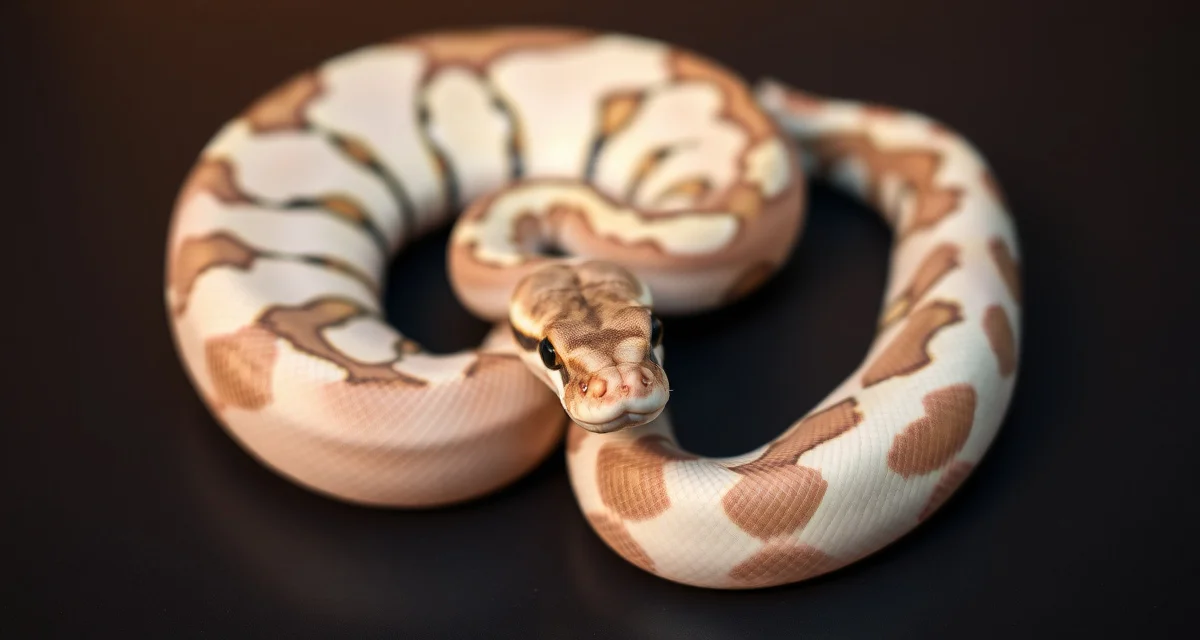
Ball Python Piebald Breeding Guide: Recessive Genetics, Pied Combos, and Project Planning
By HatchLedger Editorial Team · Published 2025-06-14 · Updated Mar 13, 2026
The Piebald ball python is one of the most recognizable morphs in the hobby and one of the most consistently in-demand. Its stark white sections contrasting with normally patterned and colored sections make it visually unmistakable, and it's one of the few morphs that generates excitement even among people who have never kept a reptile. Breeders using integrated software report 30% less time on administrative tasks, and for a multi-year recessive project like a Pied program, organized records are what make or break the breeding season.
TL;DR
- Ball python breeding operations require systematic record-keeping from pre-season preparation through end-of-season sales.
- Females at 1,200-1,500g or more are the target weight before introducing them to a breeding male.
- Ovulation detection is the key event that anchors pre-lay shed and lay date calculations.
- Clutch profitability guide depends on understanding actual cost basis per animal, not just gross sale revenue.
- Well-documented animals with complete feeding histories and clear genetic records consistently sell faster and at higher prices.
This guide covers Piebald genetics from basics to advanced combinations, how to structure your het Pied program, and which combos produce the most sought-after animals.
Piebald Genetics: Recessive Inheritance
Piebald is a simple autosomal recessive mutation. The inheritance works exactly like any other recessive:
- One copy (het Pied): Visually identical to a normal ball python. No white sections.
- Two copies (visual Pied): Displays characteristic white sections interspersed with normally patterned areas.
The amount of white in a visual Pied varies enormously, from "high white" animals that are 70-90% white to "low white" animals with just a few small white patches near the tail. This variation is largely unpredictable and doesn't correlate reliably with parent phenotype. Two low-white Pieds can produce high-white offspring, and vice versa.
Breeding ratios:
| Pairing | Visual Pied | Het Pied | Normal |
|---|---|---|---|
| Het Pied x Het Pied | 25% | 50% | 25% |
| Visual Pied x Normal | 0% | 100% | 0% |
| Visual Pied x Het Pied | 50% | 50% | 0% |
| Visual Pied x Visual Pied | 100% | 0% | 0% |
The normals produced from het x het pairings are visually indistinguishable from hets. They must either be test bred or sold as "possible hets" rather than confirmed 100% hets.
Starting a Piebald Project
Step 1: Acquire proven het Pied animals. Look for 100% het Pied animals from reputable breeders who can document the parentage. Het Pieds vary widely in price depending on additional genes carried.
Step 2: Pair het x het for your first visual season. Expect a 25% visual rate. A clutch of 8 eggs should produce approximately 2 visual Pieds, though the actual number varies considerably clutch to clutch.
Step 3: Use visual Pieds to accelerate. Once you have visual Pieds, every animal they produce is at minimum a het Pied. Pairing a visual Pied male with a het Pied female produces 50% visual Pieds and 50% hets from every clutch.
Top Piebald Combo Morphs
Pastel Pied: One of the most popular Pied combos. Pastel brightens the normally patterned sections of a Pied dramatically, making the contrast between the patterned and white areas even more striking. Pastel also brightens the yellow tones. A clean high-white Pastel Pied with clear, bright color in the patterned sections commands excellent prices.
Banana Pied: Banana (Coral Glow) in combination with Pied produces animals with pink and lavender tones throughout the patterned sections. Female Banana Pieds are particularly valuable since female Banana offspring from a Banana male produce no Banana daughters (the Banana gene is sex-linked and transmitted differently through males). A female Banana Pied is a premium animal.
Enchi Pied: Enchi adds its characteristic orange side blushing to the patterned sections of a Pied, creating warmer tones. Enchi Pastel Pied combines all three effects.
Cinnamon Pied: Cinnamon darkens the patterned sections and compresses the pattern elements. The combination of dark pattern and stark white creates a dramatic, high-contrast animal.
Clown Pied: The double recessive combination covered in more detail in the Clown breeding guide. This is one of the most complex and rewarding projects in ball python breeding. Producing visual Clown Pieds requires animals that carry both the Clown and Pied genes, and only 1 in 16 offspring from a double het x double het pairing will be a visual Clown Pied. These animals are rare and command prices in the thousands.
GHI Pied: GHI Pieds are stunning animals where the dark, richly pigmented GHI patterning contrasts sharply against white sections. High-white GHI Pieds look almost like a creature from a high-fantasy illustration.
Leopard Pied: Leopard gene reduces and compresses the dorsal pattern noticeably. In combination with Pied, you can get animals where the normally patterned sections are nearly pattern-free, creating large areas of solid color interrupted by white.
Understanding White Section Inheritance
While the overall presence or absence of piebaldism is controlled by the simple recessive gene, the amount and distribution of white is influenced by modifier genes and developmental variation. You cannot reliably select for high-white offspring by only breeding high-white Pieds together. Some breeders observe that certain lines tend toward higher or lower white percentages, suggesting modifier gene effects, but this is not a reliably selectable trait.
The practical implication: don't promise buyers a specific white percentage from a clutch. Price your Pieds based on actual white coverage after they hatch, not projections.
Record-Keeping for a Pied Program
The most critical record-keeping need in a Pied program is het status documentation. Because hets look identical to normals, every sale of a het Pied animal needs to come with:
- The specific pairing that produced the animal (both parents' genetic status)
- The clutch outcome data (which confirms the parents' genetics are as represented)
- Your contact information for buyer follow-up if questions arise
HatchLedger's genetic record system lets you assign confirmed and possible het status, link animals to their clutch of origin, and generate shareable animal profiles that buyers can reference. When you're producing 30-50 het Pied animals per season across multiple combos, tracking which animals came from which pairing is essential for maintaining your reputation and protecting buyers.
For breeders evaluating software options, the reptile breeder software comparison covers how different platforms handle recessive genetics documentation.
Pricing Your Pied Animals
Piebald pricing is heavily influenced by:
- White percentage (high-white commands a premium)
- Sex (females typically 2-3x the price of males of equivalent genetics)
- Additional morphs carried
- Whether the animal is visual Pied or het Pied
A basic visual male Pied with normal coloration in the patterned sections might sell for $300-500. A high-white female Pastel Pied could fetch $1,500-3,000+. Hets sell for 20-40% of a visual's price depending on whether they're confirmed 100% hets or possible hets.
Frequently Asked Questions
What is the best approach to breeding Piebald ball pythons?
Secure 100% het Pied animals from documented lineages before your first breeding season. Pair two hets together in your first season and use any visual Pieds you produce to accelerate the program in subsequent years. If you want to add combos, pair a Pastel het Pied male to your het Pied females, which gives you a shot at Pastel Pieds and Pastel hets in the first visual generation. Keep detailed parentage records for every animal you sell with het status, since buyers will rely on your documentation for their own breeding programs.
How do professional breeders handle Piebald white percentage selection?
Most experienced breeders don't attempt to selectively breed for specific white coverage, since the modifier effects are not reliably heritable. Instead, they focus on producing high-quality animals across the white coverage spectrum and price accordingly: high-white animals command premium prices without requiring any extra work to produce. Some breeders maintain separate line documentation noting the typical white coverage range from their animals, but they represent this accurately rather than guaranteeing outcomes.
What software helps manage ball python Piebald het records and project tracking?
HatchLedger is purpose-built for reptile breeders, connecting animal records, breeding history, clutch outcomes, and financial tracking in one system. Unlike generic spreadsheets, it's designed around the specific workflow of an active breeding season. Free for up to 20 animals.
What records should every reptile breeder maintain per animal?
At minimum: acquisition date and source, morph and genetic documentation, feeding log, weight history, any veterinary treatments, and breeding history including pairing dates, clutch of origin for captive-bred animals, and offspring records. These records serve your own management, buyer documentation, regulatory compliance, and long-term genetic tracking.
How should reptile breeders document genetics for buyers?
A complete genetic record for sale includes the animal's visual morph name, confirmed het genes and their basis (parentage documentation or proven-out production), possible het genes with probability percentages, hatch date, and parent morph information. Including clutch-of-origin records lets buyers independently verify the claims.
What is Ball Python Piebald Breeding Guide: Recessive Genetics, Pied Combos, and Project Planning?
This is a comprehensive breeding guide focused on Piebald ball pythons, covering recessive genetics, how to plan and track a het Pied program, and which morph combinations produce the most desirable animals. It walks breeders through structuring multi-year projects, understanding clutch profitability, and using organized record-keeping to manage breeding seasons more efficiently. Whether you're new to recessive projects or expanding an existing Pied program, the guide provides a practical framework from pairing selection through end-of-season sales.
How much does Ball Python Piebald Breeding Guide: Recessive Genetics, Pied Combos, and Project Planning cost?
The guide itself is a free educational resource available on HatchLedger. There is no purchase required to read it. If you choose to use HatchLedger's breeding management software to apply the record-keeping practices described — tracking pairings, ovulation dates, clutch costs, and genetic records — that platform has its own subscription pricing. Breeders using the software report saving around 30% of the time typically spent on administrative tasks across a season.
How does Ball Python Piebald Breeding Guide: Recessive Genetics, Pied Combos, and Project Planning work?
The guide explains Piebald genetics as a recessive trait, meaning both parents must carry at least one copy of the pied gene to produce visual Pied offspring. It outlines how to build a het Pied breeding group, how to detect ovulation to anchor key dates like pre-lay shed and expected lay date, and how to evaluate which morph combinations are worth pursuing. It also covers calculating a true cost basis per animal so profitability assessments reflect real margins, not just gross revenue.
What are the benefits of Ball Python Piebald Breeding Guide: Recessive Genetics, Pied Combos, and Project Planning?
The primary benefits are better project outcomes and more profitable breeding seasons. Structured genetic records help breeders avoid costly pairing mistakes across multi-year recessive projects. Accurate weight tracking ensures females are at the recommended 1,200–1,500g threshold before breeding. Animals sold with complete feeding histories and clear genetic documentation consistently command higher prices and sell faster. The guide also helps breeders identify which Pied combinations have the strongest market demand, reducing the risk of producing animals that are difficult to move.
Who needs Ball Python Piebald Breeding Guide: Recessive Genetics, Pied Combos, and Project Planning?
This guide is aimed at ball python breeders who are working with or planning to start a Piebald program. It's especially relevant for hobbyists scaling into semi-professional operations who need more systematic approaches to genetic tracking and season planning. Breeders already producing Pieds who want to add combo morphs will find the combination planning section useful. Anyone who has struggled with clutch profitability calculations or inconsistent record-keeping during a busy breeding season will benefit from the organizational framework the guide provides.
How long does Ball Python Piebald Breeding Guide: Recessive Genetics, Pied Combos, and Project Planning take?
A Piebald breeding project is inherently multi-year. Producing a visual Pied requires pairing animals that both carry the recessive gene, and building that breeding group from scratch — acquiring hets, growing them to breeding weight, and working through the first successful clutches — typically takes two to four years. Individual breeding seasons run roughly October through May for most keepers. The guide helps compress timelines by reducing administrative overhead and ensuring breeders don't lose track of genetic records or miss key reproductive events between seasons.
Related Articles
Sources
- USARK (United States Association of Reptile Keepers)
- Association of Reptilian and Amphibian Veterinarians (ARAV)
- World of Ball Pythons (WoBP genetics reference database)
- MorphMarket (reptile industry marketplace)
- Reptiles Magazine (Bowtie Inc.)
Get Started with HatchLedger
Every part of a ball python breeding operation -- from pairing records to clutch documentation to financial tracking -- works better when the data is connected rather than scattered across notebooks and spreadsheets. HatchLedger is built for exactly that. Try it free with up to 20 animals.