Ball Python Clown Morph Breeding Guide: Recessive Genetics and Top Combos
By HatchLedger Editorial Team · Published 2025-06-10 · Updated Mar 13, 2026
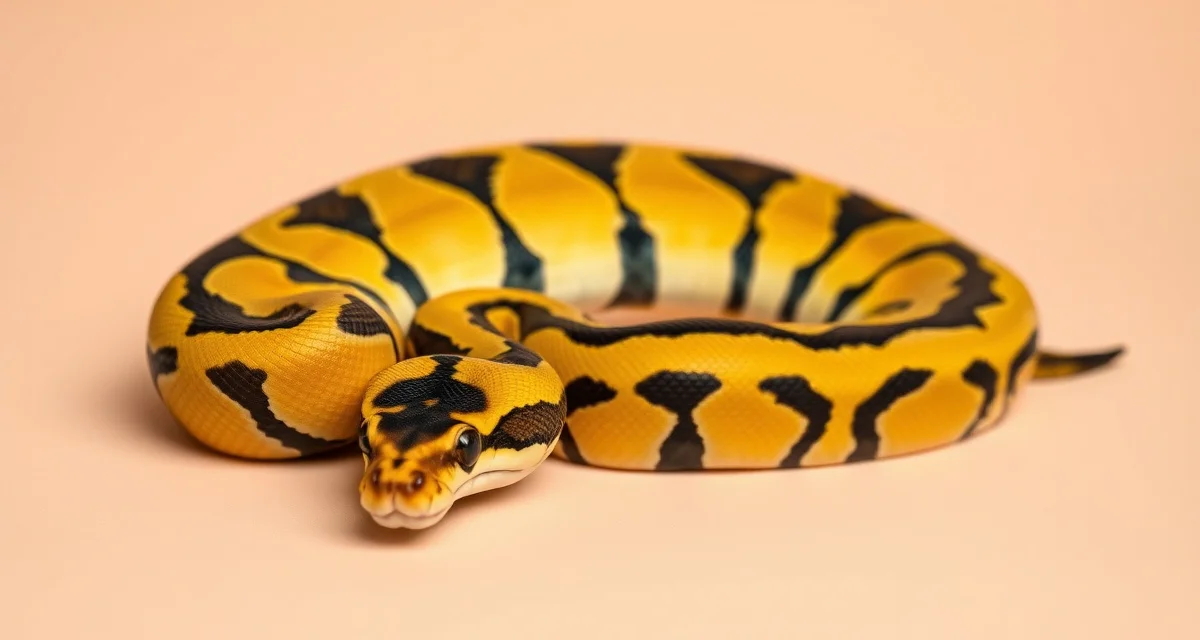
The Clown ball python is one of the most beloved recessives in the hobby. Its bold, high-contrast patterning, reduced dorsal markings, and distinctive "smiling" facial stripe make it instantly recognizable, and it's one of the few morphs where the visual impact fully justifies the multi-year investment required to produce it. Breeders using integrated software report 30% less time on administrative tasks, which matters a lot when you're running the long-cycle pairings that recessive breeding demands.
TL;DR
- Ball python breeding operations require systematic record-keeping from pre-season preparation through end-of-season sales.
- Females at 1,200-1,500g or more are the target weight before introducing them to a breeding male.
- Ovulation detection is the key event that anchors pre-lay shed and lay date calculations.
- Clutch profitability guide depends on understanding actual cost basis per animal, not just gross sale revenue.
- Well-documented animals with complete feeding histories and clear genetic records consistently sell faster and at higher prices.
This guide covers Clown genetics from the ground up, how to structure your het Clown breeding program, what combos produce the highest-value animals, and how to track a multi-year recessive project without losing your records.
Understanding Clown Genetics
Clown is a simple autosomal recessive trait. That means:
- An animal with one copy of the Clown gene is a "het Clown" and looks completely normal (identical to a wild-type ball python with no visible indicator)
- An animal with two copies (homozygous) is a visual Clown
- Two het Clowns bred together produce approximately 25% visual Clowns, 50% het Clowns, and 25% normal-looking animals
The challenge with recessives is that het Clowns are visually indistinguishable from normals unless you have documentation of their lineage or confirm through test breeding. This makes record-keeping absolutely critical.
Genetic probabilities for common pairings:
| Pairing | Visual Clown | Het Clown | Normal |
|---|---|---|---|
| Het Clown x Het Clown | 25% | 50% | 25% |
| Visual Clown x Normal | 0% | 100% | 0% |
| Visual Clown x Het Clown | 50% | 50% | 0% |
| Visual Clown x Visual Clown | 100% | 0% | 0% |
The "25% normals" from het x het pairings are visually identical to the 50% hets. Until you test breed them, you can't distinguish them by appearance, which is why accurate parentage records are the foundation of any Clown breeding program.
Starting a Clown Breeding Project
Option 1: Buy visual Clowns. The fastest path but most expensive upfront. A quality visual female Clown can run $400-$1,500+ depending on additional morphs. The advantage: you skip the waiting period and can produce visual Clowns in the first season.
Option 2: Buy het Clowns and breed them together. More affordable entry point, but you're one generation away from producing visuals. A het Clown female might cost $100-$300, and a het Clown male far less. Breed two 100% het Clowns and roughly 25% of your clutch will be visual Clowns.
Option 3: Work from possible hets. Animals sold as "66% het Clown" or "50% het Clown" are offspring from pairings where het status is probable but not confirmed. These are cheaper but require an additional test breeding generation before you know what you have.
Most serious breeders recommend starting with at least one proven visual or 100% het animal to anchor the program.
Building Clown Combos
Clown Pastel: One of the most popular and accessible Clown combos. The Pastel gene brightens the yellow and white areas of the Clown pattern dramatically, producing animals with striking visual impact. A visual Clown Pastel typically sells for $600-$1,500 depending on sex and quality. To produce them: pair a Pastel het Clown to a het Clown.
Clown Enchi: Enchi intensifies the orange and caramel tones in the Clown's pattern. Clown Enchi Pastel is a sought-after three-gene combo that can command premium prices.
Clown Piebald (Clown Pied): This is the white whale for many breeders. Combining two recessives (Clown and Piebald) requires producing animals that carry both genes. Since both are recessive, you need animals that are het for both. A "double het Clown Pied" bred to another double het Clown Pied produces only a 1/16 chance of a visual Clown Pied. The resulting animals are spectacular and can sell for $3,000-$8,000 or more for high-quality females.
Clown Cinnamon/Black Pastel: Adding incomplete dominant genes to Clown is more accessible than double recessives. A Cinnamon het Clown x het Clown pairing can produce Cinnamon Clowns in the first generation. The Cinnamon darkens and compresses the already-dramatic Clown pattern.
Clown Spider: Spider het Clown x het Clown can produce Spider Clowns. The Spider's extreme pattern reduction combined with Clown's bold markings creates visually arresting animals. Note that Spider animals carry wobble neurological symptoms; discuss this clearly in any sales context.
The Multi-Year Recessive Project Timeline
Working with double recessives like Clown Pied requires patience. A realistic timeline:
Year 1: Acquire het Clown and het Pied animals or double hets if budget allows.
Year 2: First breeding season. Produce het Clown Pied double hets (or confirm double het status).
Year 3: Breed double hets together. Approximately 1 in 16 offspring is a visual Clown Pied.
Year 4+: Continue breeding while selling het animals from the project.
This multi-year commitment makes tracking absolutely critical. If you lose records of which animals carry both genes, you're back to square one.
Record-Keeping for Recessive Programs
Every animal in a recessive breeding program needs a complete genetic record:
- Confirmed het status (100% het, 66% het, possible het) with documentation of how that status was determined
- Parentage chain going back at least two generations
- Any test breeding results that confirmed or narrowed het probability
- Clutch outcomes linked to each pairing
HatchLedger's genetics tracking lets you assign confirmed and possible het status to each animal, link pairings to specific animals, and track clutch outcomes against expected ratios. When you're running a multi-year Clown Pied project with 6-10 animals across three breeding seasons, this kind of organized record-keeping prevents the mistakes that cause breeders to inadvertently sell visual het animals as normals.
For a broader look at how different tools handle recessive genetics documentation, the reptile breeder software comparison is worth reviewing before committing to a tracking platform.
Frequently Asked Questions
What is the best approach to breeding Clown ball pythons?
Start with at least one confirmed visual Clown or 100% het Clown to anchor your program. Breed 100% hets together to produce your first visual generation, then use those visuals to rapidly expand. Document every animal's genetic status with parentage records rather than relying on memory or verbal confirmation. If you're working toward a combo like Clown Pied, budget for a 3-4 year timeline and prioritize producing double het animals to sell as high-value project animals while you wait for visual outcrosses.
How do professional breeders handle het Clown identification and verification?
Professionals rely on complete lineage documentation rather than visual identification, since hets look identical to normals. When purchasing, they ask for records showing the specific pairing that produced the animal and the known genetics of both parents. For animals without documentation, they treat them as "possible hets" rather than confirmed hets and price them accordingly. Test breeding against a visual Clown is the only definitive confirmation method.
What software helps manage ball python Clown recessive breeding projects?
HatchLedger is purpose-built for reptile breeders, connecting animal records, breeding history, clutch outcomes, and financial tracking in one system. Unlike generic spreadsheets, it's designed around the specific workflow of an active breeding season. Free for up to 20 animals.
What records should every reptile breeder maintain per animal?
At minimum: acquisition date and source, morph and genetic documentation, feeding log, weight history, any veterinary treatments, and breeding history including pairing dates, clutch of origin for captive-bred animals, and offspring records. These records serve your own management, buyer documentation, regulatory compliance, and long-term genetic tracking.
How should reptile breeders document genetics for buyers?
A complete genetic record for sale includes the animal's visual morph name, confirmed het genes and their basis (parentage documentation or proven-out production), possible het genes with probability percentages, hatch date, and parent morph information. Including clutch-of-origin records lets buyers independently verify the claims.
What is Ball Python Clown Morph Breeding Guide: Recessive Genetics and Top Combos?
This is a comprehensive breeding guide focused on the Clown ball python morph, covering recessive genetics, het pairing strategies, and high-value combo recommendations. It walks hobbyists and commercial breeders through the full project lifecycle—from selecting breeding animals and detecting ovulation to tracking clutch profitability and selling well-documented offspring. The guide is published on HatchLedger and is designed to help breeders run multi-year recessive projects more efficiently without losing critical records along the way.
How much does Ball Python Clown Morph Breeding Guide: Recessive Genetics and Top Combos cost?
The guide itself is free to read on HatchLedger. Costs associated with actually breeding Clown ball pythons vary widely depending on your starting stock. Visual Clowns typically range from a few hundred to several thousand dollars depending on combo genes. Het Clown animals are more affordable entry points. Factor in enclosures, feeders, veterinary care, and multi-year time investment before projecting profitability. Breeders using dedicated tracking software report saving significant administrative time, which has real indirect cost value.
How does Ball Python Clown Morph Breeding Guide: Recessive Genetics and Top Combos work?
Clown is a recessive trait, meaning both parents must carry at least one copy of the gene for visual Clowns to appear in a clutch. Pairing two het Clowns gives a 25% chance of visual Clowns per egg. Pairing a visual Clown to a het produces 50% visual offspring. The guide explains how to structure these pairings, time breeding introductions to female weight targets, identify ovulation, and calculate expected lay and hatch dates from that anchor event.
What are the benefits of Ball Python Clown Morph Breeding Guide: Recessive Genetics and Top Combos?
Following this guide helps breeders avoid common pitfalls in multi-year recessive projects, including poor record-keeping, miscalculated genetics, and underpriced animals. Key benefits include understanding true cost basis per animal, producing high-demand combos that command premium prices, and maintaining complete feeding and genetic histories that accelerate sales. Well-documented animals consistently sell faster. The guide also reduces administrative overhead by emphasizing systematic tracking from pre-season prep through end-of-season sales and inventory reconciliation.
Who needs Ball Python Clown Morph Breeding Guide: Recessive Genetics and Top Combos?
This guide is built for ball python breeders at any experience level who are working with or planning to work with the Clown morph. It's especially valuable for hobbyists scaling toward a small commercial operation, breeders running their first multi-year recessive project, and anyone who has struggled to maintain organized genetic or clutch records. If you're pairing het Clowns or combining Clown with other recessives like Pied or Axanthic, this guide directly applies to your program.
How long does Ball Python Clown Morph Breeding Guide: Recessive Genetics and Top Combos take?
Producing visual Clown ball pythons from het-to-het pairings is a multi-year commitment. Females must reach 1,200–1,500g before breeding, which typically takes two to three years from hatchling. Add a breeding season, roughly six-month gestation and incubation cycle, and the grow-out period before offspring are sale-ready. Realistically, plan for three to four years from acquiring hets to holding back or selling quality visual Clown animals. Combo projects involving two recessives extend that timeline further depending on available proven stock.
Related Articles
- Ball Python Desert Ghost and Genetic Stripe: Recessive Morph Breeding Guide
- Ball Python Morph Genetics Basics: Co-Dominant, Recessive, and Dominant Mutations
Sources
- USARK (United States Association of Reptile Keepers)
- Association of Reptilian and Amphibian Veterinarians (ARAV)
- World of Ball Pythons (WoBP genetics reference database)
- MorphMarket (reptile industry marketplace)
- Reptiles Magazine (Bowtie Inc.)
Get Started with HatchLedger
Every part of a ball python breeding operation -- from pairing records to clutch documentation to financial tracking -- works better when the data is connected rather than scattered across notebooks and spreadsheets. HatchLedger is built for exactly that. Try it free with up to 20 animals.