Ball Python Enchi Morph: Breeding Guide, Top Combos, and Genetic Ratios
By HatchLedger Editorial Team · Published 2025-06-12 · Updated Mar 13, 2026
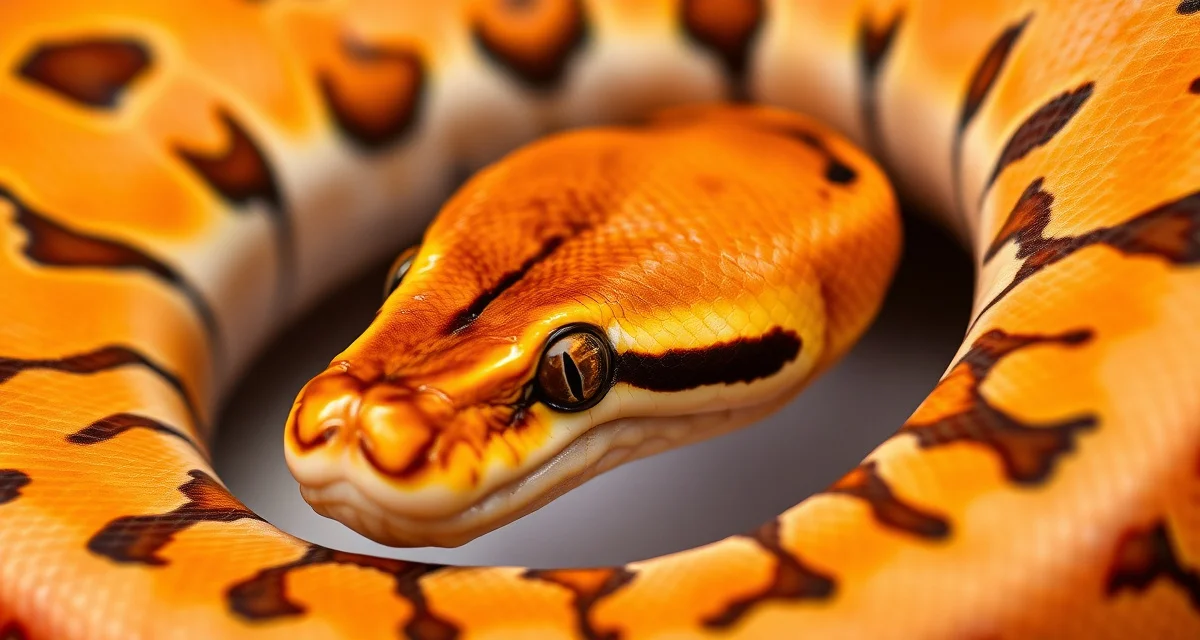
The Enchi morph is one of those genes that quietly punches above its weight. On its own, it's a subtly enhanced ball python: the sides develop a rich orange blush, the pattern elements sharpen slightly, and the overall tone shifts toward warmer amber and gold hues. But combine Enchi with almost anything and it does something special. Breeders using integrated software report 30% less time on administrative tasks, and Enchi is the kind of multi-combo gene that makes organized record-keeping pay dividends fast.
TL;DR
- Ball python breeding operations require systematic record-keeping from pre-season preparation through end-of-season sales.
- Females at 1,200-1,500g or more are the target weight before introducing them to a breeding male.
- Ovulation detection is the key event that anchors pre-lay shed and lay date calculations.
- Clutch profitability guide depends on understanding actual cost basis per animal, not just gross sale revenue.
- Well-documented animals with complete feeding histories and clear genetic records consistently sell faster and at higher prices.
This guide covers Enchi genetics, how the gene behaves in combination, which pairings produce the highest-value animals, and how to structure your Enchi breeding program for consistent results.
What Is the Enchi Morph?
Enchi is an incomplete dominant (codominant) mutation first produced in the early 2000s. A single-copy Enchi displays:
- Intensified orange and amber tones on the lateral surfaces
- Slightly cleaner, more defined pattern elements
- Yellowing of the dorsal saddles that brightens with age
- A tendency toward a "busier" appearance with increased iridescence
The Super Enchi (homozygous, two copies) is a dramatically different animal. Super Enchis are typically lavender to light purple-gray with heavily reduced patterning, almost appearing faded or "washed." The Super form is visually striking on its own and even more impactful in combos.
Enchi Breeding Ratios
| Pairing | Normal | Enchi | Super Enchi |
|---|---|---|---|
| Enchi x Normal | 50% | 50% | 0% |
| Enchi x Enchi | 25% | 50% | 25% |
| Super Enchi x Normal | 0% | 100% | 0% |
| Super Enchi x Enchi | 0% | 50% | 50% |
When you add a second gene to the mix, each outcome from the above ratios further splits based on that gene's inheritance. A Enchi Pastel x Enchi pairing, for example, produces six distinct phenotypic outcomes. Tracking expected vs. actual ratios across clutches is how you confirm your animals' genetics over time.
Why Enchi Is a Foundation Gene
Enchi excels as a "background enhancer." It doesn't dominate a combo the way Banana or Cinnamon do; it supports and amplifies the genes around it. This makes it incredibly versatile:
- With Pastel, it produces a warm, bright animal with exceptional contrast
- With Mojave, it amplifies the blushing and brightens the belly color
- With Clown (het Clown), it makes the eventual visual Clown pop with extra color
- With Spider, it creates a finely detailed, high-contrast pattern
Because Enchi is additive without being visually overwhelming, breeders can stack multiple genes alongside it and still produce clean, attractive animals from each gene combination.
Top Enchi Combo Morphs
Enchi Pastel: The entry-level Enchi combo and one of the most widely produced morphs in the hobby. The combination produces animals that are brighter and more visually interesting than either parent alone. Enchi Pastel females are a great foundation for a breeding program since they contribute both genes to every offspring. At a typical market price of $75-$200, they're affordable enough to buy quality.
Enchi Mojave: The Mojave gene on its own creates animals with a blushed belly and slightly reduced dorsal pattern. Add Enchi and you get dramatically enhanced side coloration, richer tan and amber tones, and a more electric appearance. Enchi Mojave x Enchi Mojave can produce Super Enchi Mojave, which is almost unrecognizable as a ball python to the uninitiated.
Enchi Butter/Lesser: Butter and Lesser are allelic to Mojave and behave similarly in combination with Enchi. Enchi Butter Pastel is a popular three-gene combination that sells well in the $150-350 range.
Super Enchi Pastel: A striking lavender-white and yellow animal. Super Enchi Pastels have the washed lavender base of the Super Enchi intensified with yellow tones from Pastel. These are relatively accessible to produce (pair two Enchi Pastels together) and command a price premium over single-gene animals.
Enchi GHI: GHI (Gotta Have It) in combination with Enchi creates deeply saturated, dark animals with rich brown-black tones set against the Enchi's warm amber sides. Enchi GHI Pastel is one of the more expensive readily available three-gene combos.
Enchi Cinnamon/Black Pastel: Adding Cinnamon or Black Pastel to Enchi creates darker-toned animals with pattern compression. The Super form (Super Cinnamon Enchi Pastel, for example) can be almost entirely pattern-free.
Planning Multi-Gene Enchi Pairings
The more genes you combine, the more complex the clutch outcomes become. A pairing involving Enchi, Pastel, and a third gene like Cinnamon can produce a dozen or more distinct phenotypes from a single clutch.
Before pairing, list out every expected phenotype and its theoretical frequency. This helps you:
- Identify which animals from the clutch need test breeding to confirm genotype
- Price hatchlings appropriately based on which genes they carry
- Track whether your actual clutch outcomes align with expected ratios over multiple seasons
HatchLedger's genetics pairing tools let you input parent genotypes and preview all expected offspring phenotypes with their frequencies. This is especially useful for Enchi-based pairings where the same-looking animal might carry very different additional genetics depending on which parent it inherited from.
Buying and Evaluating Enchi Animals
When buying Enchi animals for breeding, look for:
- Clean documentation: Know the parents. Enchi from a well-documented lineage will produce more predictable offspring.
- Strong side blushing: The hallmark of quality Enchi. Look for that distinct orange flush along the lateral scales rather than a muddy or faded appearance.
- Overall body condition: Enchi doesn't affect health, but purchase animals with clear eyes, smooth skin, and a healthy weight profile.
Avoid purchasing animals labeled simply "Enchi" from lines where the breeder can't provide parent information. There's a small but real possibility of misidentification between Enchi and similar-looking morphs.
Frequently Asked Questions
What is the best approach to breeding Enchi ball pythons?
Use Enchi as a background enhancer rather than a headline gene. Pair it with morphs that benefit from intensified color: Pastel, Mojave, Butter, or Clown hets. Start with a female Enchi Pastel as your foundation since she produces high-value offspring from almost any male pairing. If you're building toward Super Enchis, pair two Enchis together and expect roughly 25% Supers per clutch. Document every pairing's genotype carefully since Enchi's effects are cumulative and multi-gene pairings quickly become difficult to track from memory alone.
How do professional breeders handle Enchi combination pairings?
Experienced Enchi breeders typically maintain a small number of high-quality multi-gene females (Enchi Pastel, Enchi Mojave, Enchi GHI) as their core breeding stock and rotate different males through during the breeding season to produce varied clutch compositions. They preview expected clutch outcomes before pairing and price presale reservations based on which offspring they expect. Tracking actual clutch outcomes against theoretical predictions helps them confirm parent genetics over multiple seasons.
What software helps manage Enchi ball python genetics and multi-gene pairings?
HatchLedger is purpose-built for reptile breeders, connecting animal records, breeding history, clutch outcomes, and financial tracking in one system. Unlike generic spreadsheets, it's designed around the specific workflow of an active breeding season. Free for up to 20 animals.
What records should every reptile breeder maintain per animal?
At minimum: acquisition date and source, morph and genetic documentation, feeding log, weight history, any veterinary treatments, and breeding history including pairing dates, clutch of origin for captive-bred animals, and offspring records. These records serve your own management, buyer documentation, regulatory compliance, and long-term genetic tracking.
How should reptile breeders document genetics for buyers?
A complete genetic record for sale includes the animal's visual morph name, confirmed het genes and their basis (parentage documentation or proven-out production), possible het genes with probability percentages, hatch date, and parent morph information. Including clutch-of-origin records lets buyers independently verify the claims.
What is Ball Python Enchi Morph: Breeding Guide, Top Combos, and Genetic Ratios?
The Ball Python Enchi Morph Breeding Guide covers everything you need to successfully work with the Enchi gene in ball pythons. It explains how Enchi behaves as an incomplete dominant morph, which combination pairings produce the highest-value animals, how to calculate genetic ratios for each clutch, and how to structure a profitable breeding program. Whether you're new to the morph or expanding your collection, this guide provides the genetic and operational framework to breed Enchi consistently and confidently.
How much does Ball Python Enchi Morph: Breeding Guide, Top Combos, and Genetic Ratios cost?
The guide itself is free to read on HatchLedger. The real investment is in your breeding animals — Enchi ball pythons vary widely in price depending on combination genetics, with basic Enchis available for $50–$150 and high-end combo animals reaching several hundred dollars or more. Costs also include husbandry setup, feeding, and record-keeping tools. Breeding software like HatchLedger can reduce administrative time by around 30%, helping you understand your actual cost basis per animal and protect your margins.
How does Ball Python Enchi Morph: Breeding Guide, Top Combos, and Genetic Ratios work?
Enchi is an incomplete dominant gene, meaning it visually expresses in a single copy and produces a visually distinct super form with two copies. The gene enhances a ball python's appearance by warming the base tone to amber and gold, sharpening pattern elements, and adding an orange blush along the sides. In combination pairings, Enchi amplifies the effects of other morphs — making colors more vivid, contrast stronger, and patterns cleaner — without requiring homozygous animals to see a significant visual impact.
What are the benefits of Ball Python Enchi Morph: Breeding Guide, Top Combos, and Genetic Ratios?
Working with Enchi offers breeders several advantages: the gene enhances nearly every combination it's paired with, increasing the visual appeal and market value of clutch offspring. Single-copy Enchis are visually marketable on their own, reducing the risk of holding unsellable animals. Well-documented Enchi combos with clear genetic records and complete feeding histories consistently sell faster and at higher prices. The morph's versatility across pairings also makes it easier to plan high-value clutches without needing rare or expensive co-dominants.
Who needs Ball Python Enchi Morph: Breeding Guide, Top Combos, and Genetic Ratios?
This guide is written for ball python breeders at any experience level who want to work strategically with the Enchi gene. It's especially useful for breeders building out a multi-morph collection and looking for a reliable enhancer gene to run through their pairings. It also benefits anyone managing multiple clutches who wants a clearer system for tracking genetic outcomes, calculating profitability, and documenting animals in a way that supports faster, higher-priced sales.
How long does Ball Python Enchi Morph: Breeding Guide, Top Combos, and Genetic Ratios take?
An Enchi breeding season follows the standard ball python timeline. Females should reach 1,200–1,500g before pairing begins, typically in the fall cooling period. From successful ovulation to egg lay is roughly 30 days, with incubation adding another 55–60 days. Plan for a full season of 4–6 months from first pairing to hatchlings. Building clean records from the start — including feeding history, ovulation dates, and genetic lineage — shortens the sales cycle and compounds in value across seasons.
Related Articles
- Ball Python Piebald Breeding Guide: Recessive Genetics, Pied Combos, and Project Planning
- Ball Python Pied Morph Breeding Projects: Complete Guide
- Ball Python Clown Morph Breeding Projects: Advanced Breeder Guide
Sources
- USARK (United States Association of Reptile Keepers)
- Association of Reptilian and Amphibian Veterinarians (ARAV)
- World of Ball Pythons (WoBP genetics reference database)
- MorphMarket (reptile industry marketplace)
- Reptiles Magazine (Bowtie Inc.)
Get Started with HatchLedger
Every part of a ball python breeding operation -- from pairing records to clutch documentation to financial tracking -- works better when the data is connected rather than scattered across notebooks and spreadsheets. HatchLedger is built for exactly that. Try it free with up to 20 animals.