Ball Python Clutch Management from Lay to Hatch
By HatchLedger Editorial Team · Published 2025-01-31 · Updated Mar 13, 2026
Egg lay day is one of the most satisfying moments in a breeding season, and one of the most important. What you do in the first few hours after discovering a clutch determines whether those eggs end up in ideal incubation conditions or whether small mistakes cost you hatchlings. Here's the complete workflow from lay detection to hatch.
TL;DR
- Ball python breeding operations require systematic record-keeping from pre-season preparation through end-of-season sales.
- Females at 1,200-1,500g or more are the target weight before introducing them to a breeding male.
- Ovulation detection is the key event that anchors pre-lay shed and lay date calculations.
- Clutch profitability guide depends on understanding actual cost basis per animal, not just gross sale revenue.
- Well-documented animals with complete feeding histories and clear genetic records consistently sell faster and at higher prices.
Step 1: Discovering the Clutch
Check your gravid females daily as they approach the expected lay window. When you find eggs, note:
- Date and time of discovery
- Number of eggs
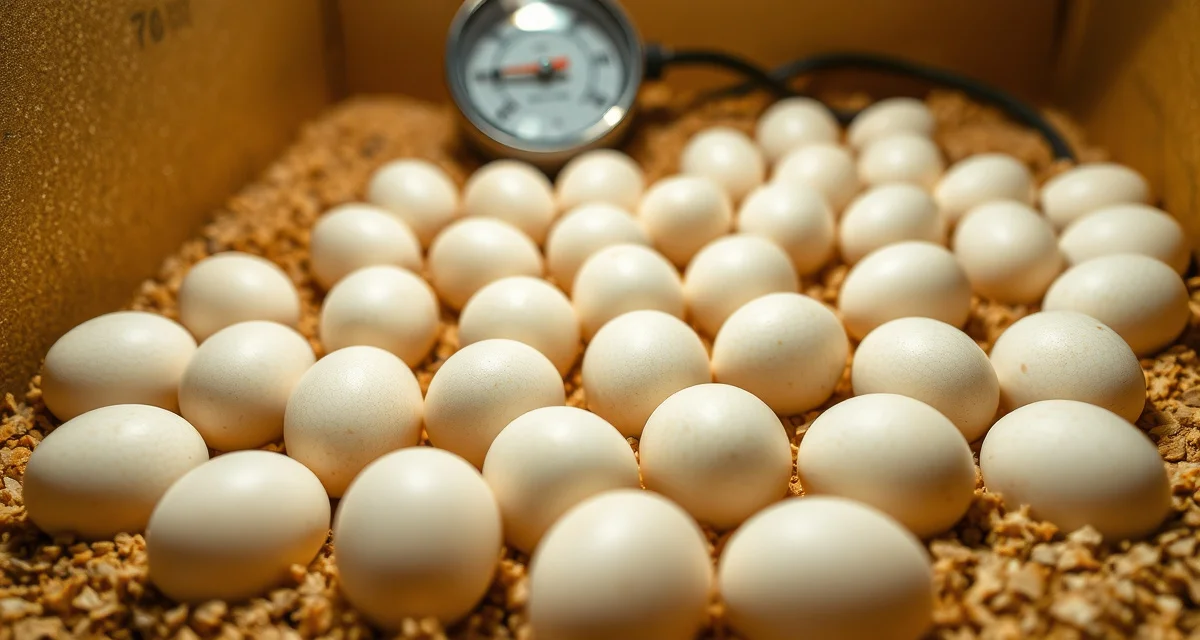
- Egg appearance (should be white, slightly sticky, often clumped together)
- Whether eggs are still clumped or have already begun to separate
Log everything immediately in HatchLedger. This timestamp becomes the start of your incubation countdown.
Step 2: Assessing Egg Quality at Pull
Before touching anything, observe the full clutch:
- Good eggs: White, firm, slightly sticky. May have some surface moisture from the cloacal fluids. Clumped together in a mass is normal.
- Slugs: Yellow or orange, smaller, flaccid. Not fertilized. Remove these from the clutch.
- Collapsed eggs: Sometimes collapse hours after lay. If found within 24 hours of lay, mark them but don't remove, some recover with proper humidity.
Slug Count Documentation
Record the number of slugs vs. viable eggs. A clutch with 6 good eggs and 2 slugs is recorded as 8 total, 6 viable. Your slug rate over multiple seasons tells you something about female health and fertilization quality.
Step 3: Leaving or Pulling Maternal Incubation
You have two options: leave the eggs with the mother for maternal incubation, or pull them to an artificial incubator.
Maternal incubation: Mother coils around eggs. Room temperature is maintained in the low-to-mid 80s. Less intervention required but harder to monitor eggs individually.
Artificial incubation: Pull eggs to incubator at 88-90°F, 88-100% humidity. Better control, easier monitoring, easier egg candling.
Most production breeders pull eggs to artificial incubation. Maternal incubation is more common for breeders with only 1-2 clutches per season.
See our dedicated egg pulling guide for the full comparison.
Step 4: Pulling and Positioning Eggs
If pulling to artificial incubation:
- Prepare your incubation container before touching eggs (moist substrate pre-wetted, incubator at target temp)
- Gently separate the egg mass, ball python eggs are typically fused together. Separate them carefully using your fingers. Don't worry about small tears along the fusion lines.
- Mark the top of each egg with a small dot using a non-toxic marker. Eggs should be incubated in the same orientation as when laid, rotating them can cause the embryo to drown.
- Place eggs in a single layer in your incubation container, oriented right-side up based on your marks.
- Label the container with the clutch ID (both parent IDs, lay date).
Step 5: Setting Up Incubation
Parameters:
- Temperature: 88-90°F (with 88-88.5°F being the safest target)
- Humidity: 88-100% relative humidity
- Duration: 55-65 days at proper temps
Substrate options:
- Vermiculite at 1:1 water-to-vermiculite by weight (most common)
- Hatchrite (pre-mixed commercial incubation medium)
- Perlite at 1:1 ratio
Keep eggs slightly elevated off standing water if any forms at the bottom of the container. Eggs shouldn't sit in standing water.
Step 6: Monitoring During Incubation
Weekly checks:
- Check substrate moisture. Add small amounts of water if it's drying out, but avoid waterlogging.
- Candle eggs (hold a flashlight against the shell in a dark room) to check for visible veining
- Weigh eggs weekly to monitor moisture exchange. Eggs should hold steady weight or gain slightly, significant weight loss indicates humidity problem.
What to watch for:
- Eggs "sweating" (condensation on shell surface): humidity may be too high, allow some air exchange
- Eggs dimpling (concave): humidity too low, eggs are losing moisture; increase humidity
- Mold on exterior: some surface mold is normal; if eggs remain firm and veined, they're likely viable
Record all observations in HatchLedger's incubation records. Any anomalies are documented so you can troubleshoot if a clutch has problems.
Step 7: The Pip Window
At days 55-60, start checking daily for pips, small slits in the egg where the hatchling's egg tooth has broken through the shell. Ball pythons typically pip first, rest inside the egg for 12-36 hours absorbing remaining yolk sac, then emerge.
Do NOT assist pip immediately unless you have specific reason to believe an animal is in distress. See the dedicated pip timing guide for assist protocols.
Step 8: Hatchling Processing
Once hatchlings emerge, each one needs:
- Physical inspection, check for retained yolk sac, kinks, eye formation, general condition
- Sexing (probe or pop method)
- Morph identification
- Weight
- Photo documentation
- Entry into HatchLedger's hatchling inventory
Each of these steps should happen within the first 24-48 hours. Waiting until hatchlings are several weeks old to process them means records are less accurate.
Related Articles
- Ball Python Hatchling Season: Complete Management Guide
- How to Calculate Ball Python Clutch Profitability
- Ball Python Clutch Value Estimator
FAQ
What is the best approach to ball python clutch management?
Document everything at each step, lay date, egg count, slug count, egg weights, incubation parameters, observation dates. Missing data at any point in the clutch management process creates gaps in your records that affect your ability to troubleshoot problems and document animals for buyers.
How do professional breeders handle ball python clutch management?
Experienced breeders have their incubation setup ready before eggs arrive. They pull eggs within hours of discovery, mark orientation, label containers with both parent IDs and lay date, and enter everything into their tracking software immediately. They check incubators daily during breeding season and have established protocols for everything from slug removal to assisted hatching.
What is Ball Python Clutch Management from Lay to Hatch?
Ball Python Clutch Management from Lay to Hatch is the complete process of caring for a ball python egg clutch from the moment it is laid until the hatchlings emerge. It covers lay detection, egg inspection, incubation setup, temperature and humidity monitoring, and record-keeping. Proper clutch management ensures eggs remain in stable conditions throughout the 55–60 day incubation period, maximizing hatch rates and hatchling health.
How much does Ball Python Clutch Management from Lay to Hatch cost?
There is no direct cost for clutch management as a practice — it is a set of husbandry techniques, not a product or service. The main expenses involved are an incubator, substrate such as vermiculite or perlite, a hygrometer and thermometer, and record-keeping tools like HatchLedger. Total setup costs vary but a reliable incubation setup can be assembled for under $200, making it accessible for hobbyists and professional breeders alike.
How does Ball Python Clutch Management from Lay to Hatch work?
After discovering a clutch, eggs are carefully moved into a prepared incubation container with moistened substrate. The container is placed in an incubator held at roughly 88–90°F with high humidity. Eggs are checked regularly for signs of collapse, mold, or development issues. Each check is logged with timestamps. As hatch date approaches — typically around day 55 — pipping begins and hatchlings cut their way out over one to three days.
What are the benefits of Ball Python Clutch Management from Lay to Hatch?
Proper clutch management dramatically increases hatch rates by maintaining stable incubation conditions and catching problems early. It also gives breeders accurate records that support animal valuation and buyer confidence. Documented clutch data — lay date, egg count, incubation temps, hatch date — ties directly into the genetic and feeding history of each hatchling, making them easier to sell at premium prices and faster to place with buyers.
Who needs Ball Python Clutch Management from Lay to Hatch?
Any ball python breeder who has produced a gravid female needs clutch management skills. This includes first-time hobbyists incubating their first clutch, experienced breeders scaling up production, and reptile operations tracking profitability across multiple females. If you are investing in quality breeding animals and want consistent results season over season, systematic clutch management — supported by tools like HatchLedger — is essential rather than optional.
How long does Ball Python Clutch Management from Lay to Hatch take?
From lay to hatch, ball python eggs typically incubate for 55 to 60 days, though this can vary slightly based on incubation temperature. The first few hours after lay are critical for getting eggs into proper conditions. Active monitoring continues daily throughout incubation. Pipping usually begins around day 55 and hatchlings may take 24 to 72 hours to fully emerge after first cutting through the egg.
Sources
- USARK (United States Association of Reptile Keepers)
- Association of Reptilian and Amphibian Veterinarians (ARAV)
- World of Ball Pythons (WoBP genetics reference database)
- MorphMarket (reptile industry marketplace)
- Reptiles Magazine (Bowtie Inc.)
Get Started with HatchLedger
Every part of a ball python breeding operation -- from pairing records to clutch documentation to financial tracking -- works better when the data is connected rather than scattered across notebooks and spreadsheets. HatchLedger is built for exactly that. Try it free with up to 20 animals.