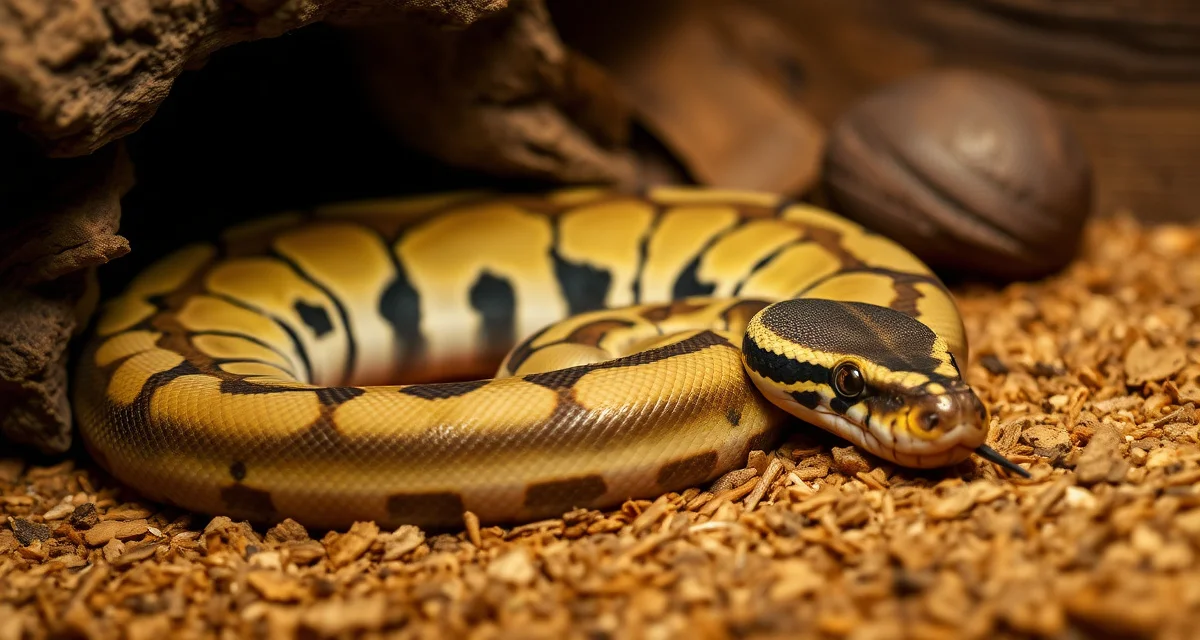
Post-Lay Female Recovery: Nutrition and Care After a Ball Python Clutch
By HatchLedger Editorial Team · Published 2025-06-13 · Updated Mar 13, 2026
A ball python female puts enormous metabolic resources into producing a clutch. By the time she lays, she's typically been off food for weeks or months, she's lost a substantial portion of her body weight, and her energy reserves are depleted. How you manage her recovery in the weeks and months after laying directly affects her long-term health and her viability as a future breeding animal. Breeders using integrated software report 30% less time on administrative tasks, which means you can focus on the hands-on work of monitoring recovering females rather than managing paperwork.
TL;DR
- Ball python breeding operations require systematic record-keeping from pre-season preparation through end-of-season sales.
- Females at 1,200-1,500g or more are the target weight before introducing them to a breeding male.
- Ovulation detection is the key event that anchors pre-lay shed and lay date calculations.
- Clutch profitability guide depends on understanding actual cost basis per animal, not just gross sale revenue.
- Well-documented animals with complete feeding histories and clear genetic records consistently sell faster and at higher prices.
Post-lay recovery isn't complicated, but it does require attention and patience. Rushing a female back to breeding condition before she's fully recovered is one of the more common mistakes in a growing breeding program.
What Happens to a Female After Laying
Ball python females go off food during the latter stages of follicular development and stay off through the incubation period if they're coiling around eggs. Even females who aren't given the chance to incubate (because you've moved eggs to an artificial incubator) have typically not eaten for several weeks by lay day.
The average female loses 25-40% of her body weight from the time she goes off food until after she lays. A female who was 2,000 grams before breeding season may come out of it at 1,200-1,400 grams. This is normal, but it means recovery takes time.
Log your female's weight immediately after laying. This is your baseline for the recovery period.
Reintroducing Food After Laying
Most females will begin accepting food within 1-4 weeks of laying. Some resume eating within days; others take longer, particularly older females or those who incubated their clutch.
Start with smaller prey items than you'd normally offer. A female who's been fasting for months has a reduced digestive capacity, and offering prey that's too large can cause regurgitation or stress.
Week 1-2 post-lay: Offer a prey item roughly one-third of her normal meal size. If she takes it, that's a good sign. Don't be concerned if she refuses - give her a few more days.
Week 3-4: If she accepted the smaller meals, step up to her normal prey size. Monitor for regurgitation or prolonged digestion issues.
Don't force-feed a post-lay female. Assist-feeding is very occasionally warranted for a severely depleted female who genuinely won't eat and is losing dangerous amounts of weight, but this should only be done in consultation with a reptile vet.
Feeding Frequency During Recovery
Once your female is eating consistently again, increase feeding frequency compared to your normal maintenance schedule. A female in recovery can be fed every 7-10 days rather than every 10-14 days.
Track every feeding in your records. Logging the prey item size and whether she ate or refused gives you a concrete picture of how quickly she's recovering. When her weight returns to 80-90% of her pre-breeding weight, you can return to a normal maintenance schedule.
Weight Recovery Timeline
How long full weight recovery takes depends on several factors: how depleted she was, her age, the quality of prey offered, and her individual metabolism.
Most healthy adult females return to near pre-breeding weight within 3-6 months of consistent feeding. Older females (8+ years) may take longer. Females who produced very large clutches or who had health complications during breeding season will take longer than average.
A female who hasn't recovered meaningful weight after 2-3 months of consistent feeding attempts warrants a vet check. Parasites, cryptosporidium, and other conditions can prevent recovery even in females who are eating.
Should You Breed Her Again Next Season?
This is the most important decision the recovery data informs. A female who hasn't fully recovered from the previous season should not be put back into breeding. The general rule most responsible breeders follow:
- A female should be at or near her pre-breeding weight before beginning another breeding cycle
- She should have been feeding consistently for at least 2-3 months before reintroducing a male
- First-time layers and females who had complications should be given a full recovery season before breeding again
Breeding a depleted female leads to smaller clutches, higher slug rates, and long-term health decline. The short-term gains aren't worth the long-term cost to the animal or your program.
Logging Recovery Progress
Create a consistent logging habit for post-lay females:
- Log weight at time of lay
- Log weight every 2-4 weeks during recovery
- Log every feeding attempt (date, prey size, accepted/refused)
- Log the date she reached 80-90% of pre-breeding weight
Over multiple seasons, this data tells you each female's typical recovery timeline, which helps you plan your breeding season calendar. Some females bounce back in 6 weeks; others need 5 months. Knowing which is which prevents you from pushing an animal before she's ready.
Your HatchLedger breeding records can hold all of this feeding and weight data linked directly to each female, making it easy to compare recovery across seasons. Pair this with the insights from the reptile breeder software comparison to find a system that fits how you work.
Frequently Asked Questions
What is the best approach to ball python post-lay female recovery nutrition?
Start with smaller prey items 1-4 weeks after laying and build up gradually. Don't rush the female back to normal meal sizes - her digestive system needs time to recover from the fasting period. Feed every 7-10 days during recovery rather than your normal maintenance interval, and weigh her every 2-4 weeks to track progress. A female who returns to near pre-breeding weight and is feeding consistently is ready to consider for next season; one still well underweight should skip a breeding cycle.
How do professional breeders handle ball python female recovery after laying?
Experienced breeders log the female's weight immediately after laying as a recovery baseline, then track weight gains through the recovery period. They prioritize recovery over production, understanding that a fully recovered female who breeds every other year will outlast and outproduce a depleted female bred every year. Most professionals won't reintroduce a male until the female has been at or near target weight and feeding consistently for at least two months.
What software helps manage ball python female recovery and feeding records?
HatchLedger is purpose-built for reptile breeders, connecting animal records, breeding history, clutch outcomes, and financial tracking in one system. Unlike generic spreadsheets, it's designed around the specific workflow of an active breeding season. Free for up to 20 animals.
What records should every reptile breeder maintain per animal?
At minimum: acquisition date and source, morph and genetic documentation, feeding log, weight history, any veterinary treatments, and breeding history including pairing dates, clutch of origin for captive-bred animals, and offspring records. These records serve your own management, buyer documentation, regulatory compliance, and long-term genetic tracking.
How should reptile breeders document genetics for buyers?
A complete genetic record for sale includes the animal's visual morph name, confirmed het genes and their basis (parentage documentation or proven-out production), possible het genes with probability percentages, hatch date, and parent morph information. Including clutch-of-origin records lets buyers independently verify the claims.
What is Post-Lay Female Recovery: Nutrition and Care After a Ball Python Clutch?
Post-lay female recovery refers to the structured nutrition and care protocol used to rehabilitate a ball python female after she has laid a clutch. During the breeding process, females fast for weeks or months and expend significant energy producing eggs, resulting in substantial weight loss and depleted reserves. Recovery involves reintroducing food gradually, monitoring weight regain, and ensuring she reaches healthy body condition before considering her for future breeding seasons.
How much does Post-Lay Female Recovery: Nutrition and Care After a Ball Python Clutch cost?
Post-lay female recovery is not a product or service with a direct cost—it is a husbandry practice carried out by the breeder. The primary expenses involve feeder animals (typically mice or rats), any supplements used, and the time invested in monitoring. Costs vary based on the female's size, how aggressively she feeds, and how long full recovery takes, which can range from a few months to an entire off-season.
How does Post-Lay Female Recovery: Nutrition and Care After a Ball Python Clutch work?
After laying, a female ball python is moved away from her clutch and allowed to thermoregulate and rest. Feeding is reintroduced gradually, starting with appropriately sized prey offered every 7–10 days. Weight is tracked regularly to monitor progress. The goal is steady, consistent gain back toward her pre-breeding weight. Breeders using record-keeping software can log each feeding and weight check to spot recovery trends and flag animals that are falling behind.
What are the benefits of Post-Lay Female Recovery: Nutrition and Care After a Ball Python Clutch?
Proper post-lay recovery protects a female's long-term health and preserves her value as a breeding animal. Females that recover fully before the next breeding season produce healthier clutches and are less prone to reproductive complications. Maintaining detailed recovery records also increases buyer confidence if the animal is ever sold, as complete feeding and weight histories demonstrate responsible husbandry and transparency about the animal's condition.
Who needs Post-Lay Female Recovery: Nutrition and Care After a Ball Python Clutch?
Any ball python breeder who retains females after clutching needs a post-lay recovery plan. This applies equally to hobbyists with a single breeding female and commercial operations managing dozens of animals. Breeders who plan to breed the same female in future seasons have the most at stake, since inadequate recovery directly reduces her viability. Operations tracking multiple animals benefit especially from systematic record-keeping to ensure no recovering female is overlooked.
How long does Post-Lay Female Recovery: Nutrition and Care After a Ball Python Clutch take?
Full post-lay recovery typically takes three to six months, though this varies based on the female's starting condition, how much weight she lost during the breeding season, and how readily she accepts food afterward. Some females resume feeding within days of laying; others take weeks to show interest. Breeders should not rush the process—a female should return to her target pre-breeding weight and maintain it consistently before being considered ready for the next season.
Related Articles
- Identifying Fertile Ball Python Eggs vs. Slugs at Lay
- Ball Python Health Checks and Preventive Care: Advanced Breeder Guide
Sources
- USARK (United States Association of Reptile Keepers)
- Association of Reptilian and Amphibian Veterinarians (ARAV)
- World of Ball Pythons (WoBP genetics reference database)
- MorphMarket (reptile industry marketplace)
- Reptiles Magazine (Bowtie Inc.)
Get Started with HatchLedger
Every part of a ball python breeding operation -- from pairing records to clutch documentation to financial tracking -- works better when the data is connected rather than scattered across notebooks and spreadsheets. HatchLedger is built for exactly that. Try it free with up to 20 animals.