Milk Snake Egg Incubation Setup: Complete Breeder Guide
By HatchLedger Editorial Team · Published 2025-01-30 · Updated Mar 13, 2026
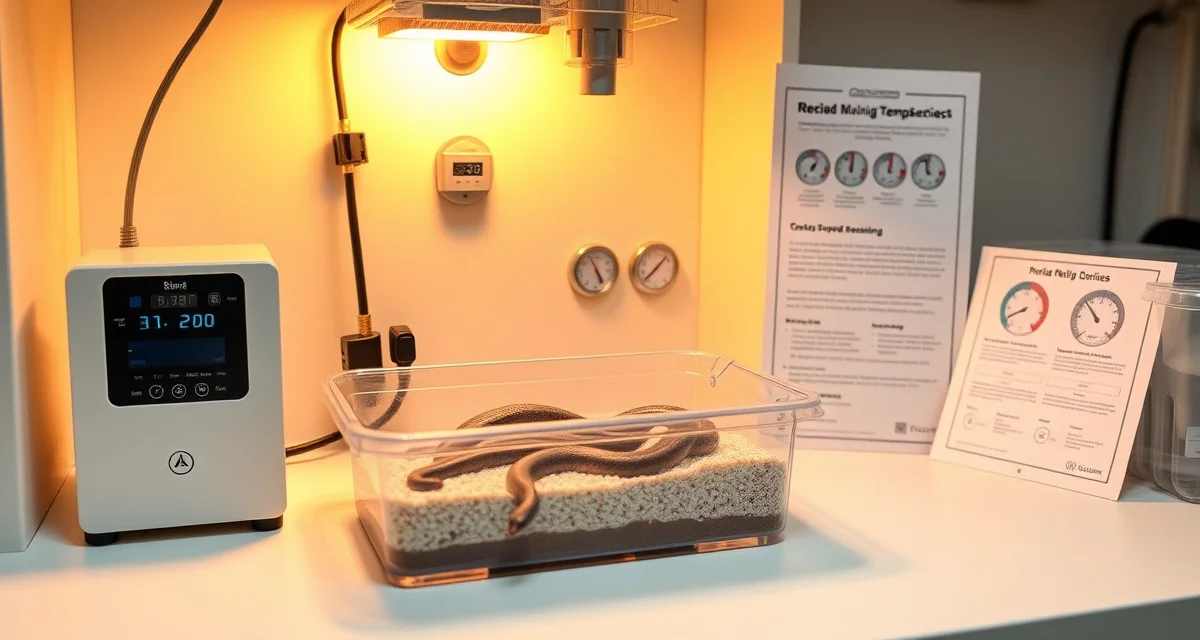
Milk snake egg incubation setup follows the same principles as corn snake and kingsnake incubation. The eggs are forgiving of minor parameter variation, making successful incubation achievable with basic equipment. A consistent, monitored setup with accurate temperature verification produces better hatch rates than improvised arrangements. Breeders using integrated software report 30% less time on administrative tasks, and systematic incubation monitoring is what protects your investment in each clutch.
TL;DR
- Milk snakes span dozens of recognized subspecies of Lampropeltis triangulum and related species, each with distinct care and breeding requirements.
- Most milk snake subspecies require 60-90 days of seasonal cycling at 50-55 degrees Fahrenheit for reliable breeding.
- Clutch sizes range from 4-18 eggs depending on subspecies, with Honduran milk snakes averaging toward the larger end.
- Incubation runs 55-70 days at 78-82 degrees Fahrenheit with moderate humidity.
- Honduran milk snakes have an active morph program with albino, hypo, and tri-color tangerine lines among the established variants.
Core Incubation Parameters
Temperature: 78 to 82°F targeting 80°F for most Lampropeltis subspecies.
Humidity: 80 to 100% relative humidity within the egg container, achieved through moistened substrate.
Duration at 80°F: 55 to 70 days depending on subspecies. Honduran milk snake eggs tend toward the shorter end of this range; Eastern milk snakes toward the longer end.
Verify temperature at egg level with a secondary probe. This single step prevents the most common incubation error: trusting an incubator display without confirming actual conditions where eggs sit.
Equipment
Choose a quality incubator with proven temperature stability, a converted mini-fridge with thermostat, or verify that your ambient room temperature is reliably in the target range. Whatever method you use, verify actual temperatures before placing eggs.
Container and Substrate
Use plastic containers with lids, sized for your clutch. Create substrate depressions for each egg.
Vermiculite at 1:1 weight ratio (vermiculite to water) or perlite at 1:0.5 both provide appropriate conditions. Substrate should feel moist throughout without releasing water when squeezed.
Label every container immediately with:
- Clutch ID
- Lay date
- Parent IDs
- Expected hatch window
This label connects to your digital clutch record in HatchLedger's reptile breeder hub.
Monitoring and Candling
Check every 7 to 10 days: verify temperature, assess eggs visually, check substrate moisture, log observations.
Candle at 10 to 14 days after lay. Viable milk snake eggs show clear vascularization; infertile eggs remain opaque. Remove confirmed infertile eggs to protect adjacent viable eggs.
Log every check-in and all candling results. Reptile breeder software comparison tools that store incubation records connected to hatch outcomes help you identify what conditions produce your best results season over season.
Preparing for Hatch
At 55 to 70 days, watch for eggs beginning to sweat slightly and deflate near the surface, indicating imminent pipping. Prepare individual hatchling housing before the expected hatch window opens. Log hatch dates as animals emerge and create individual records immediately.
Frequently Asked Questions
What is the best approach to milk snake egg incubation setup?
Target 80°F with 80-100% humidity in sealed containers with properly moistened vermiculite or perlite. Verify temperature at egg level with a secondary probe before placing eggs. Check containers every 7 to 10 days, candle at 10 to 14 days, and log every observation. Prepare hatchling housing before eggs are due. The forgiving nature of colubrid eggs doesn't mean you can neglect monitoring; consistent attention is what catches problems early enough to act.
How do professional breeders handle milk snake egg incubation setup?
Professional milk snake breeders prepare their incubation setup before the first female is due to lay. They verify incubator temperatures, prepare substrate at consistent ratios, label every container immediately, and maintain a monitoring schedule throughout incubation. They log every check-in and candle at multiple points. After each season, they compare incubation protocol records to hatch rate outcomes to assess whether adjustments are warranted.
What software helps manage milk snake egg incubation setup?
HatchLedger is purpose-built for reptile breeders, connecting animal records, breeding history, clutch outcomes, and financial tracking in one system. Unlike generic spreadsheets, it's designed around the specific workflow of an active breeding season. Free for up to 20 animals.
What is the most commonly bred milk snake subspecies?
Honduran milk snakes (L. t. hondurensis) are the most widely bred milk snake subspecies due to their larger size, active morph development, and established keeper base. Nelson's milk snakes and Sinaloan milk snakes are also commonly bred. Scarlet kingsnakes have a smaller but dedicated keeper community.
How do you tell apart milk snake subspecies?
Subspecies identification relies on coloration pattern (band count and width), scale counts, and geographic origin. For captive-bred animals, documentation from the original breeder is the most reliable source. Hybridization between subspecies does occur and reduces the value and documentation reliability of offspring.
What is Milk Snake Egg Incubation Setup: Complete Breeder Guide?
Milk Snake Egg Incubation Setup: Complete Breeder Guide is a comprehensive resource covering everything reptile breeders need to successfully incubate milk snake eggs. It details optimal temperature ranges (78–82°F), humidity levels (80–100%), incubation duration (55–70 days), and substrate options. The guide addresses the full Lampropeltis triangulum complex, noting subspecies-specific differences in clutch size and cycling requirements, making it useful for both beginner and experienced breeders working with any milk snake variant.
How much does Milk Snake Egg Incubation Setup: Complete Breeder Guide cost?
The guide itself is free to read on HatchLedger. The actual cost of setting up a milk snake incubation system varies by approach. A basic DIY incubator using a styrofoam cooler, heat mat, and thermostat can cost under $50. Dedicated reptile incubators range from $80 to $300+. Substrate materials like vermiculite or perlite cost just a few dollars per clutch, making milk snake incubation one of the more affordable setups in colubrid breeding.
How does Milk Snake Egg Incubation Setup: Complete Breeder Guide work?
Milk snake egg incubation works by maintaining a stable thermal and humidity environment that mimics natural underground nest conditions. Eggs are placed on moistened substrate (vermiculite or perlite mixed at roughly 1:1 by weight with water) inside a sealed deli cup or container. That container sits inside a thermostat-controlled incubator held at 78–82°F. Consistent temperature and trapped humidity allow embryos to develop over 55–70 days until the hatchlings pip and emerge.
What are the benefits of Milk Snake Egg Incubation Setup: Complete Breeder Guide?
Following a structured incubation guide improves hatch rates by eliminating guesswork around the two variables that matter most: temperature and humidity. Consistent 80°F incubation produces predictable 55–70 day timelines, letting breeders plan hatch windows accurately. The guide also helps breeders identify slugs early, avoid overhydration, and recognize normal versus problematic egg development—reducing losses per clutch. Breeders using systematic monitoring tools report spending roughly 30% less time on clutch administration across a full season.
Who needs Milk Snake Egg Incubation Setup: Complete Breeder Guide?
This guide is written for reptile breeders working with any milk snake subspecies, from Pueblan and Honduran to Eastern and Sinaloan variants. It suits first-time colubrid breeders needing a straightforward setup checklist, as well as experienced keepers scaling up production who want consistent, repeatable results. Hobbyists building morph projects—particularly those working Honduran albino, hypo, or tangerine lines—will also benefit from the subspecies-specific notes on clutch size and cycling requirements included in the guide.
How long does Milk Snake Egg Incubation Setup: Complete Breeder Guide take?
At a target temperature of 80°F, milk snake eggs typically hatch in 55–70 days. Lower temperatures within the safe range (78°F) push incubation closer to 70 days; slightly warmer temps (82°F) can shorten it toward 55 days. Before incubation begins, most subspecies also require 60–90 days of cool seasonal cycling at 50–55°F to trigger reliable breeding behavior. Factoring in cycling, egg laying, and incubation, plan for roughly 4–6 months from the start of cooling to the first hatchlings.
Related Articles
- Burmese Python Egg Incubation Setup: Complete Breeder Guide
- Carpet Python Egg Incubation Setup: Complete Breeder Guide
Sources
- USARK (United States Association of Reptile Keepers)
- Association of Reptilian and Amphibian Veterinarians (ARAV)
- Herpetologica (Herpetologists League)
- Society for the Study of Amphibians and Reptiles (SSAR)
- Reptiles Magazine (Bowtie Inc.)
Get Started with HatchLedger
Milk snake breeders working across subspecies and morph lines benefit from records that track lineage clearly and connect cooling protocols to seasonal clutch outcomes. HatchLedger keeps this information organized and searchable across your entire collection. Free for up to 20 animals.