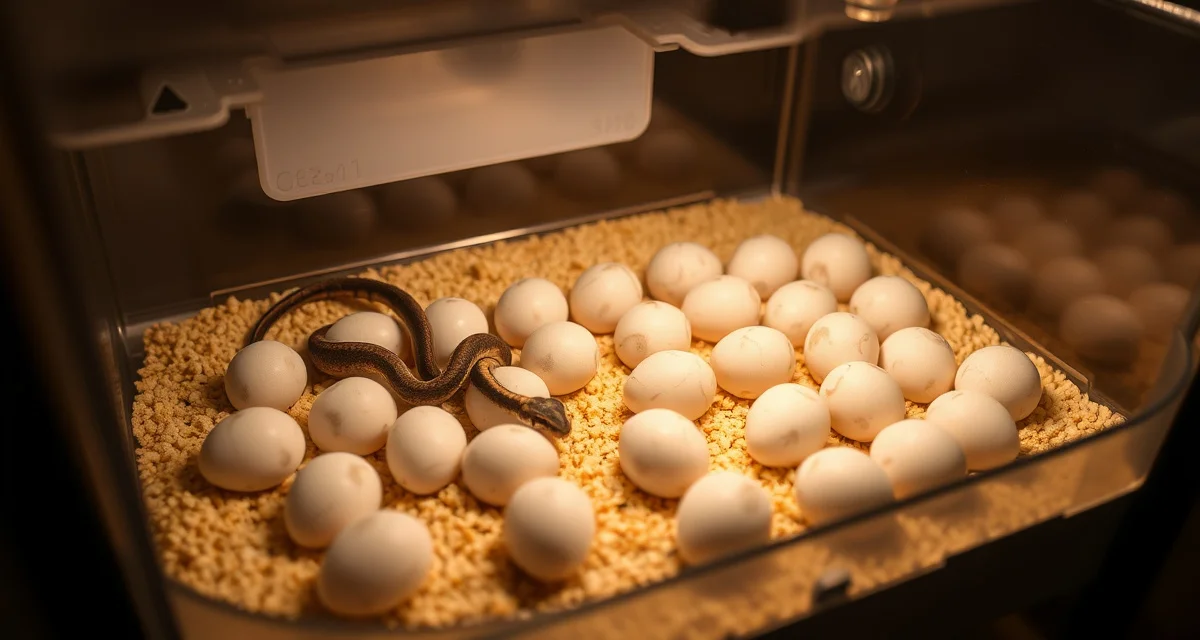
Carpet Python Egg Incubation Setup: Complete Breeder Guide
Carpet python egg incubation follows the same basic principles as other python species but with a few considerations specific to the species. Carpet pythons are strong maternal incubators, and the decision between maternal and artificial incubation is a genuine choice rather than a default for most breeders. Breeders using integrated software report 30% less time on administrative tasks, freeing up time to monitor incubation conditions and respond promptly to any issues.
TL;DR
- Carpet pythons (Morelia spilota) encompass multiple recognized subspecies genetics overview including coastal, jungle, diamond, and Irian Jaya, each with distinct breeding triggers.
- Most carpet python subspecies require a 2-3 month seasonal cycling period with temperatures dropping 10-15 degrees Fahrenheit to trigger reliable ovulation.
- Average clutch size recordss range from 10-20 eggs, with large female diamond carpets sometimes producing 25 or more.
- Incubation typically runs 55-65 days at 84-88 degrees Fahrenheit, slightly lower than ball python targets.
- Subspecies identification in your records matters: crossing subspecies produces offspring of uncertain market value and documentation becomes complex.
A well-set-up incubation system for carpet python eggs produces consistent, predictable results. The variables to control are temperature, humidity, gas exchange, and disturbance.
Maternal vs. Artificial Incubation
Carpet pythons are among the python species that effectively incubate their eggs maternally. Females coil around their clutch, regulate temperature through shivering thermogenesis, and generally maintain stable egg conditions through the 50-65 day incubation period.
Advantages of maternal incubation for carpet pythons:
- Temperature regulation is often very precise (females self-correct)
- Eggs stay in their natural orientation
- No artificial equipment to potentially malfunction
- Works particularly well for smaller clutches
Disadvantages:
- Female fasts for 50-65 days, causing weight loss
- Difficult to monitor individual egg condition without disturbing the female
- Some females are less reliable brooders, particularly first-time mothers
Artificial incubation gives you more control over monitoring and removes the physiological burden from the female. Many breeders use a hybrid approach: allow maternal incubation for the first 2-3 weeks to establish good egg condition, then transfer to artificial incubation.
Artificial Incubator Setup
A commercial reptile incubator with reliable temperature control is the standard setup. The incubator should maintain 88-90F at egg level with minimal variation. Verify actual egg-level temperature with a calibrated probe thermometer independent of the incubator's built-in display.
Incubate eggs in plastic containers with small ventilation openings on perlite or vermiculite substrate at a 1:1 ratio by weight. Eggs should be partially supported by the substrate, not sitting entirely on top of it. Don't rotate eggs from their lay orientation.
Container size should match the clutch size without excessive empty space. Larger containers with smaller clutches may make humidity management harder. For a typical carpet python clutch of 10-20 eggs, a 6-12 quart container with appropriate ventilation works well.
Temperature Management
The target incubation temperature for carpet pythons is 88-90F. Incubation duration at these temperatures is approximately 50-60 days. Lower temperatures produce longer incubation periods with potentially higher rates of developmental abnormalities.
Temperature spikes above 93-95F are dangerous to developing embryos. Monitor with a temperature alarm system that alerts you to significant deviations. A thermostat failure during incubation that goes undetected for 12-24 hours can destroy a clutch.
Some breeders run incubation temperatures slightly lower (86-88F) for the first two weeks and then raise to 88-90F. This mimics natural temperature variation and is reported by some breeders to improve hatch rates, though the evidence is anecdotal.
Humidity and Egg Condition Monitoring
Eggs that are incubating well remain firm and white throughout most of the incubation period. A slight translucency at candle time (holding a flashlight to the egg to see if blood vessels are visible) confirms viable development at 2-3 weeks. Eggs that remain completely opaque after 3 weeks with no visible vasculature may be infertile -- remove them and assess whether neighboring eggs are still healthy.
Monitor moisture balance. If eggs show dimpling or shrinkage, increase substrate moisture slightly. If eggs look waterlogged or have surface condensation consistently, reduce substrate moisture. Weight tracking (weighing the container or individual eggs at lay and then periodically) provides an objective measure.
HatchLedger logs incubation setup, temperature readings, and egg condition observations throughout the incubation period, building a record that helps diagnose any hatch rate problems.
HatchLedger connects incubation records to clutch P&L for complete season tracking.
Frequently Asked Questions
What is the best approach to carpet python egg incubation setup?
Decide whether to use maternal or artificial incubation based on your female's condition and your facility setup. For artificial incubation, use a reliable commercial incubator calibrated to 88-90F with a verified probe. Incubate on perlite or vermiculite at 1:1 by weight in containers with small ventilation openings. Monitor egg condition every 3-4 days. Log temperature readings and any anomalies. Candle eggs at 2-3 weeks to assess viability. Have a temperature alarm in place to alert you to incubator malfunctions.
How do professional breeders handle carpet python incubation?
Professionals verify their incubation setup before eggs are laid each season -- calibrated probes, fresh substrate at the right moisture level, clean containers with appropriate ventilation. They check on incubating eggs regularly and log temperature readings so they have data if hatch rates are poor. They also evaluate the maternal incubation option seriously for well-conditioned females, especially for smaller clutches where the female can manage the physical demands of brooding. Post-hatch, they review their incubation records against hatch rates to evaluate whether their setup is consistently producing good results.
What software helps manage carpet python incubation records?
HatchLedger is purpose-built for reptile breeders, connecting animal records, breeding history, clutch outcomes, and financial tracking in one system. Unlike generic spreadsheets, it's designed around the specific workflow of an active breeding season. Free for up to 20 animals.
How do carpet python subspecies differ in breeding requirements?
Irian Jaya carpet pythons are among the most forgiving of the subspecies and often respond to minimal cycling. Jungle carpets and coastal carpets benefit from more pronounced temperature drops. Diamond carpet pythons from cooler Australian habitats may require the most aggressive cooling protocol of all the subspecies to achieve reliable ovulation.
Can carpet pythons from different subspecies be crossed?
Technically yes, but the practice is controversial. Many buyers specifically seek pure-subspecies animals, and crossing reduces the value and marketability of offspring. Maintaining clear subspecies documentation in your records is important whether you keep them pure or not.
Sources
- USARK (United States Association of Reptile Keepers)
- Association of Reptilian and Amphibian Veterinarians (ARAV)
- Australian Journal of Zoology
- Herpetofauna (Australian Herpetological Society)
- The Herpetoculture of Morelia (published reference)
Get Started with HatchLedger
Carpet python breeding across multiple subspecies means tracking distinct protocols per animal and maintaining subspecies lineage documentation that buyers increasingly expect. HatchLedger connects animal records, breeding history, and clutch documentation in one system. Try it free with up to 20 animals.