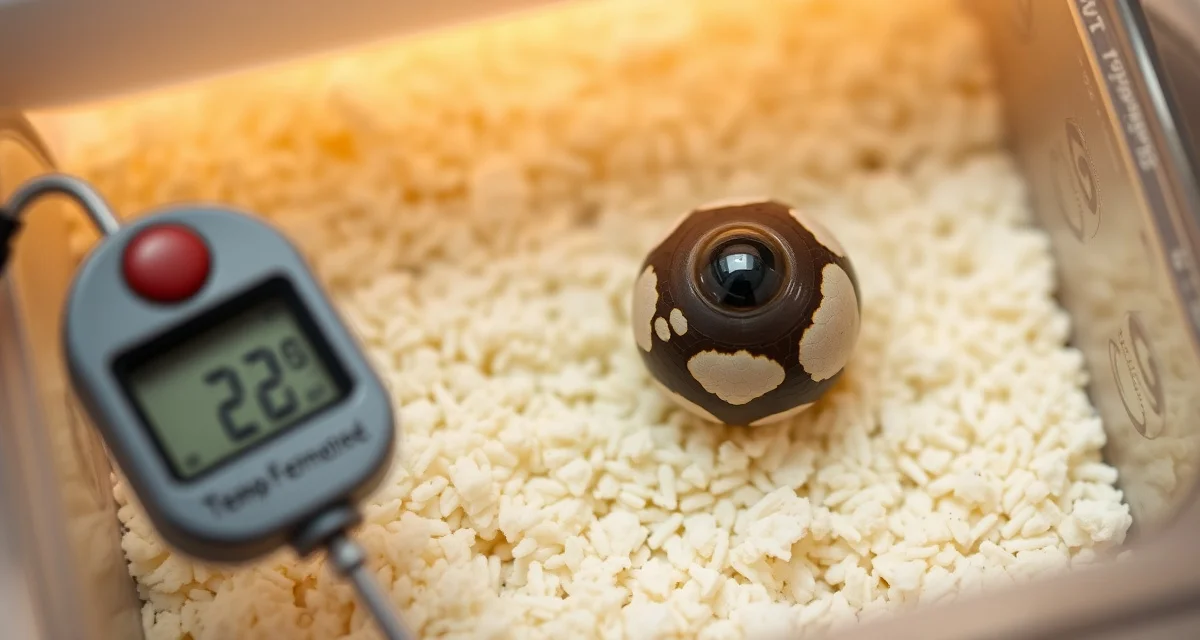
Hognose Snake Egg Incubation Setup: Complete Breeder Guide
Hognose snake egg incubation setup requires attention to parameters that differ slightly from other North American colubrids. Western hognose snake eggs benefit from warmer temperatures and specific moisture management to produce the hatch rates that make morph breeding programs financially viable. With clutches often containing high-value morph animals, getting the incubation setup right from day one is worth the effort. Breeders using integrated software report 30% less time on administrative tasks, freeing time for the incubation monitoring that protects your investment.
TL;DR
- Western hognose snakes (Heterodon nasicus) require 60-90 days of seasonal cycling at 50-60 degrees Fahrenheit for reliable breeding success.
- Females that skip cooling often fail to ovulate or produce infertile clutches, making brumation near-mandatory rather than optional.
- Clutch sizes average 8-18 eggs, with adult females commonly producing two clutches per season when managed well.
- Incubation runs 55-65 days at 82-84 degrees Fahrenheit with moderate humidity around 80-85%.
- Western hognose morphs include albino, axanthic, toffee, coral, and several combination lines with active development continuing.
Temperature Parameters
Western hognose eggs incubate best at 84 to 86°F. This is meaningfully warmer than the 80°F often recommended for corn snakes and similar colubrids. Breeders transitioning to western hognose from other species sometimes make the mistake of using their existing temperature settings; the result is extended incubation periods and sometimes reduced hatch rates.
At 84 to 86°F, incubation runs approximately 52 to 65 days. Slightly cooler temperatures extend this window without harming eggs; temperatures above 88°F sustained for extended periods risk developmental problems and should be avoided.
Temperature Verification
Your incubator's display temperature and the actual temperature at egg level are not always the same. Digital incubators with factory thermostats can be off by 2 to 4 degrees in either direction.
Before placing eggs, run the incubator empty for 24 to 48 hours with a secondary calibrated thermometer probe at the position where eggs will sit. Verify the actual temperature, then adjust your incubator setting to achieve the target range at egg level. Recheck after adding eggs, as the thermal mass of the eggs and containers affects the equilibrium temperature.
Humidity Management
Target 80 to 100% relative humidity within the egg container. This is achieved through the substrate rather than ambient room humidity. Seal or semi-seal containers with moistened substrate create the appropriate humid microclimate around eggs.
Substrate Preparation
Vermiculite is the most widely used incubation substrate. Mix at a 1:1 weight ratio of dry vermiculite to water. When you squeeze a handful, no water should release; the substrate should be damp but not wet.
Perlite works similarly at a 1:0.5 weight ratio (perlite to water). Some breeders prefer perlite for its coarser texture and slightly lower water retention. Results are comparable when ratios are maintained.
Some western hognose breeders use slightly higher moisture ratios than they would for corn snake eggs. If you've had problems with egg desiccation in previous seasons, increasing your moisture ratio slightly is worth testing.
Measure your ratios by weight, not volume. The water content that matters is mass-based, and volume measurements are imprecise enough to produce inconsistent results.
Container Setup
Use plastic containers with tight-fitting lids. Create depressions in the substrate for each egg; the egg should sit in the depression without rolling freely. Eggs laid stuck together can be separated carefully if needed, but handle minimally and don't rotate eggs.
Label every container clearly on the outside with:
- Clutch ID
- Female ID and male ID
- Lay date
- Expected hatch window (lay date plus 52 to 65 days)
- Egg count and initial slug assessment
Log this information in HatchLedger's reptile breeder hub with the container label as the physical reference. Your digital record and your physical label should match exactly.
If you're running multiple clutches simultaneously, a container labeling system that makes clutch identification unambiguous at a glance prevents mix-ups with significant consequences.
Monitoring Schedule
Check incubation containers every 7 to 10 days. At each check, verify temperature at egg level, assess egg appearance, and evaluate substrate moisture.
Healthy eggs appear white to off-white, firm, and slightly glossy. Some yellow staining or sweating on the surface is normal in later incubation.
Slugs and infertile eggs often collapse, turn yellow or brown, and develop mold within 1 to 2 weeks. Remove confirmed infertile eggs promptly to prevent mold spreading to viable eggs.
Borderline eggs that look slightly off at lay should be watched carefully rather than removed immediately. Some western hognose eggs that appear suspect at lay are viable. Candle before removing any egg you're uncertain about.
Candling
Candle at 10 to 14 days. In a dark room, hold a small penlight or candling tool against each egg. Viable eggs show a network of blood vessels and a distinct embryo. Confirmed slugs show no vascularization.
Log candling results in your clutch record. The candling assessment at 10 to 14 days is your first reliable fertility count, and it's the number you should use for hatchling production planning rather than the initial egg count.
Reptile breeder software comparison tools that maintain complete incubation records connected to clutch outcomes help you refine your setup over multiple seasons based on actual hatch rate data.
Preparing for Pipping
As eggs approach their expected hatch window, check more frequently. Eggs begin to sweat and may collapse slightly before pipping; this is normal. Don't assist pipping hatchlings unless they've been partially emerged for an extended period and appear distressed.
Once hatchlings pip, they may remain partially in the egg for 12 to 24 hours before fully emerging. This is normal. Don't remove hatchlings from the incubator prematurely.
Frequently Asked Questions
What is the best approach to hognose snake egg incubation setup?
Verify your incubation temperature at egg level before placing any eggs; 84 to 86°F is the target range for western hognose. Use 1:1 vermiculite by weight or 1:0.5 perlite for substrate. Label containers completely with clutch ID and parent IDs. Monitor every 7 to 10 days and candle at 10 to 14 days. Remove confirmed slugs promptly but don't remove borderline eggs until candling confirms they're infertile. Log every observation in your clutch record from lay to hatch.
How do professional breeders handle hognose snake egg incubation setup?
Professional western hognose breeders verify incubation temperatures before each season rather than assuming last year's setup is still accurate. They measure substrate moisture by weight, not by feel or volume, for consistent results. They candle promptly and log their fertility assessments. They compare their incubation parameters to hatch rate outcomes across seasons to identify whether adjustments produce improvements. Their records let them make protocol decisions from data rather than from generic species guides.
What software helps manage hognose snake egg incubation setup?
HatchLedger logs cooling start and end dates, temperature records, post-cooling feeding resumption, and all pairing sessions for each hognose breeding animal. These records connect to clutch outcomes when females lay, allowing you to compare your seasonal protocol to breeding results across multiple seasons. Free for up to 20 animals.
Can western hognose snakes double-clutch?
Yes, double-clutching is common and reliable in well-conditioned western hognose females. The first clutch is typically laid in April or May, and if the female feeds aggressively through June, a second clutch often follows in July or August. Tracking body condition through the season tells you whether a female is ready for a second clutch.
Why do some hognose females play dead during introductions?
Death-feigning (thanatosis) is a well-known hognose defensive behavior and can occur during breeding introductions. Most females habituate to handling over time and reduce this response. Experienced males are generally persistent through the female's initial responses. Keeping introduction sessions calm and minimally disturbing helps.
Sources
- USARK (United States Association of Reptile Keepers)
- Association of Reptilian and Amphibian Veterinarians (ARAV)
- Society for the Study of Amphibians and Reptiles (SSAR)
- Herpetological Review
- Great Plains Wildlife Management
Get Started with HatchLedger
Western hognose breeding with multiple morphs and double-clutching females benefits from connected records that link cooling dates, pairing introductions, and per-clutch outcomes. HatchLedger tracks all of it and lets you compare seasonal protocols against results over multiple years. Free for up to 20 animals.