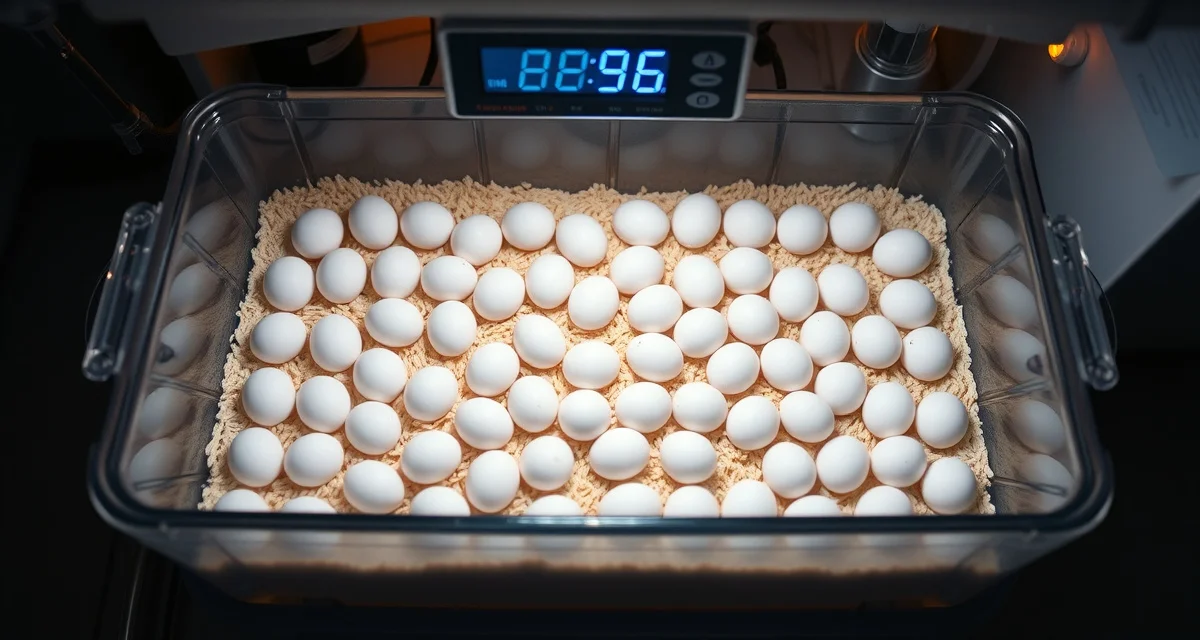
Corn Snake Egg Incubation Setup: Complete Breeder Guide
Corn snake egg incubation setup is one of the most approachable aspects of breeding this species. Corn snake eggs are more forgiving than many other reptile eggs, tolerating a reasonable range of temperatures and humidities. That said, a quality setup with consistent parameters produces better hatch rates than a makeshift approach, and when you're incubating dozens of eggs per season, those marginal improvements add up significantly. Breeders using integrated software report 30% less time on administrative tasks, leaving time for the monitoring that protects your clutch.
TL;DR
- Corn snakes (Pantherophis guttatus) are the most widely bred colubrid in captivity, with hundreds of documented morphs spanning all three major inheritance patterns.
- Seasonal cycling of 60-90 days at 50-60 degrees Fahrenheit is the standard cycling protocol for reliable spring breeding.
- Clutch sizes average 12-24 eggs for adult females, with experienced breeders often producing 2 clutches per season from well-conditioned females.
- Incubation runs 55-65 days at 78-82 degrees Fahrenheit, cooler than most python species.
- Corn snake morph genetics include multiple allelic series, including the amelanistic and anerythristic pathways, that interact in non-obvious ways.
Equipment Selection
Incubator Options
Purpose-built reptile incubators provide reliable temperature control with minimal setup. Models designed specifically for reptile eggs eliminate the guesswork from temperature calibration.
Converted mini-fridges or wine coolers with an external thermostat and heating element are a popular DIY option. The insulation of a refrigerator provides excellent temperature stability. This approach takes more setup time but delivers comparable performance to commercial units at lower cost.
Ambient room incubation works in spaces that naturally maintain 78-82°F. In a basement or climate-controlled room that stays at target temperature, a simple sealed container with appropriate substrate is all you need. This is a zero-cost option when conditions are right.
Whichever method you choose, verify the actual temperature inside the incubation space with a probe thermometer at the level where eggs will sit, not just the incubator's display.
Essential Equipment Checklist
- Incubator (or verified ambient space)
- Quality digital thermometer with probe at egg level
- Secondary verification thermometer
- Plastic containers with lids for egg groups (deli containers or food storage containers work well)
- Vermiculite or perlite substrate
- Scale for measuring substrate and water by weight
- Fine-tipped marker for labeling containers
- Small flashlight or candling tool
Substrate Preparation
Vermiculite
Vermiculite at a 1:1 weight ratio (vermiculite to water) is the most widely used substrate for corn snake eggs. It provides excellent moisture retention, good structural support for eggs, and easy visual assessment of moisture levels.
To prepare: Weigh your dry vermiculite, then add an equal weight of water. Mix thoroughly until water is evenly absorbed. The substrate should feel moist throughout without releasing water when squeezed firmly.
Perlite
Perlite at approximately 1:0.5 ratio (perlite to water by weight) provides a slightly drier substrate option. Some breeders prefer it because it's less likely to harbor mold under certain conditions and allows better visual inspection of egg moisture levels.
Filling Containers
Fill each incubation container with 2 to 3 inches of prepared substrate. Create shallow depressions for each egg that will hold the eggs stable without burying them. Eggs should sit upright or at a slight angle with roughly the bottom third in the substrate.
Label each container before placing eggs. Include clutch ID, lay date, expected hatch window, and parent IDs. This physical label connects to your digital clutch record in HatchLedger's reptile breeder hub.
Incubator Setup
Set your incubator temperature to 80°F. Allow it to run for 24 to 48 hours before placing any eggs, verifying that temperatures are stable at the target.
Position your egg containers in the center of the incubator to avoid hot and cold spots near the walls or heating element. If you're running multiple containers, verify that different positions in the incubator maintain similar temperatures.
Vent containers slightly by leaving lids slightly ajar or drilling small holes. Fully sealed containers maintain humidity most consistently but benefit from brief opening every 7 to 10 days to refresh air.
Monitoring Schedule
Set a calendar reminder for regular incubation checks every 7 to 10 days. During each check:
- Verify incubator temperature
- Open each container briefly and inspect eggs visually
- Assess substrate moisture (add a small amount of water to substrate edges if drying out)
- Note any eggs that appear problematic
- Log the check date and observations in your clutch record
At 10 to 14 days after lay, candle each egg. Press a small LED flashlight against the egg in a dark room. Viable eggs show clear vascularization; infertile eggs remain opaque or begin to collapse. Remove confirmed infertile eggs.
Log candling results per egg in your clutch record. Reptile breeder software comparison tools that support this level of clutch documentation make it possible to analyze candling accuracy versus actual hatch rates across seasons.
Frequently Asked Questions
What is the best approach to corn snake egg incubation setup?
Use a dedicated incubator or verified ambient space maintaining 78-82°F, set up containers with vermiculite or perlite at appropriate moisture ratios, verify temperature at egg level with a secondary probe, and check containers every 7 to 10 days. Candle at 10 to 14 days, log every check, and remove infertile eggs promptly. Corn snake eggs are forgiving, but consistent parameters and attentive monitoring are still what produce the best hatch rates. Don't set up the incubator and ignore it until hatching time.
How do professional breeders handle corn snake egg incubation setup?
Professional corn snake breeders prepare their incubation setup well before the first female is due to lay. They verify incubator temperatures before placing eggs, prepare substrate at consistent moisture ratios, label every container immediately, and maintain a monitoring schedule throughout incubation. They log every check-in and candle at multiple points during incubation. After each season, they compare their incubation protocol records to hatch rate outcomes to identify whether any adjustments are needed.
What software helps manage corn snake egg incubation setup?
HatchLedger is purpose-built for reptile breeders, connecting animal records, breeding history, clutch outcomes, and financial tracking in one system. Unlike generic spreadsheets, it's designed around the specific workflow of an active breeding season. Free for up to 20 animals.
Can corn snakes produce two clutches in a single breeding season?
Yes, many adult corn snake females will double-clutch reliably, especially when kept at ideal temperatures and fed aggressively between clutches. Allow females at least 4-6 weeks of heavy feeding between the first and second clutch. Tracking body weight before and after each clutch helps assess whether a female is in condition for a second clutch that season.
What temperature should corn snake eggs be incubated at?
Corn snake eggs incubate best at 78-82 degrees Fahrenheit. Higher temperatures up to 84 degrees accelerate development but reduce the hatch window and can increase developmental problems. Below 75 degrees slows development significantly. Unlike ball python eggs, corn snake eggs tolerate a wider temperature range reasonably well.
What are the most profitable corn snake morphs for breeders?
Multi-gene combination morphs command the highest prices. Motley, Tessera, and Scaleless are structural genes that add significant value to color morph animals. Scaleless corn snakes in particular fetch $300-800 or more depending on color morph combination. Single-gene morphs like Amelanistic and Anerythristic are common and prices are compressed; combinations including structural genes maintain stronger margins.
Sources
- USARK (United States Association of Reptile Keepers)
- Association of Reptilian and Amphibian Veterinarians (ARAV)
- Herpetological Review (Society for the Study of Amphibians and Reptiles)
- Reptiles Magazine (Bowtie Inc.)
- Society for the Study of Amphibians and Reptiles (SSAR)
Get Started with HatchLedger
Corn snake breeders managing multiple morphs, double-clutching females, and complex genetic documentation benefit from a system that links animal records to clutch outcomes and keeps morph genetics traceable across generations. HatchLedger handles all of this, free for up to 20 animals.