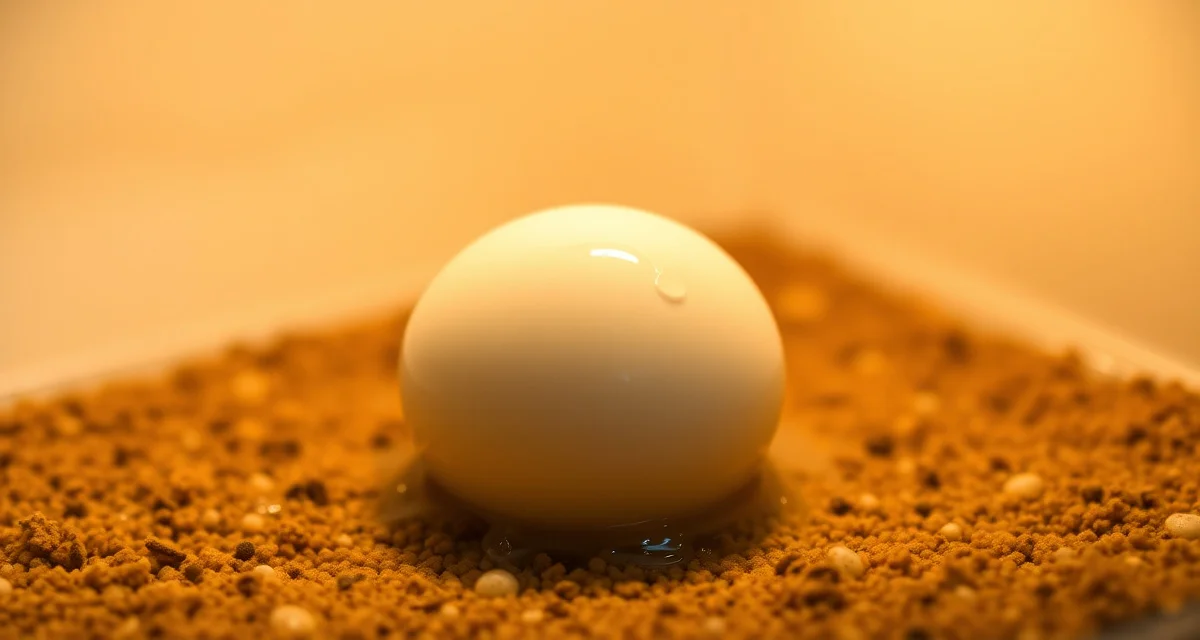
Incubator Humidity Calibration for Ball Python Eggs
By HatchLedger Editorial Team · Published 2025-06-15 · Updated Mar 13, 2026
Humidity is one of the two critical variables in ball python egg incubation, alongside temperature. Get it wrong and you'll see collapsed, dented eggs, slow development, poor hatch rates, or difficult hatches with retained membrane issues. Breeders using integrated software report 30% less time on administrative tasks, which means more bandwidth for the careful monitoring that humidity management during incubation requires.
TL;DR
- Ball python breeding operations require systematic record-keeping from pre-season preparation through end-of-season sales.
- Females at 1,200-1,500g or more are the target weight before introducing them to a breeding male.
- Ovulation detection is the key event that anchors pre-lay shed and lay date calculations.
- Clutch profitability guide depends on understanding actual cost basis per animal, not just gross sale revenue.
- Well-documented animals with complete feeding histories and clear genetic records consistently sell faster and at higher prices.
What Humidity Level Do Ball Python Eggs Need?
Ball python eggs need high humidity at the surface. The target most experienced breeders aim for within the egg box is near 95-100% relative humidity.
This high humidity keeps eggs from losing moisture through the semi-permeable shell. Eggs that dry out will dent and collapse as they lose water, and severely dehydrated eggs can fail to develop properly or produce weak hatchlings.
The humidity inside your incubator chamber itself doesn't need to be at 100% - the egg box creates a localized high-humidity environment that protects the eggs.
Egg Box Setup for Humidity Control
Most breeders incubate ball python eggs in a closed or semi-closed container (commonly called an egg box or deli cup for small clutches) filled with a humid substrate.
Common substrates:
- Vermiculite: Mixed with water by weight - typically 1 part water to 1 part vermiculite by weight. This produces a moist substrate that maintains humidity in the closed container without saturating the eggs.
- Perlite: Similar mixing ratio. Slightly better drainage than vermiculite in some opinions, but functionally similar.
- Sphagnum moss: Used by some breeders. Holds moisture well but more variable in consistency.
The substrate should feel moist but not waterlogged. When you squeeze a handful, it should feel damp but produce only a few drops of water at most, not a stream.
The Water-to-Substrate Ratio Method
Using a kitchen scale to measure your substrate and water by weight removes guesswork:
- Weigh your dry substrate (e.g., 200 grams of vermiculite)
- Add equal weight of water (200 grams) - this gives approximately 1:1 by weight
- Mix thoroughly
This approach gives you consistent results batch to batch. If you find your eggs are denting slightly (too dry) you can increase the water ratio slightly; if condensation is pooling on eggs excessively (too wet) reduce it slightly.
Setting Eggs in the Substrate
Ball python eggs should be:
- Set in the substrate in the same orientation they were laid (don't rotate or flip them)
- Mark the top of each egg with a pencil dot before moving to preserve orientation
- Pressed gently into the substrate so they're about half-buried and stable
- Not completely covered - the top half of the egg should be exposed to the air inside the container
Spacing matters: eggs shouldn't be crammed together, but some breeders keep clutch-mates in contact with each other (they're often stuck together naturally from lay, and separating stuck eggs isn't recommended unless individual egg access is necessary).
Monitoring Humidity
Egg appearance is your primary monitor. Healthy, well-hydrated eggs should:
- Be firm and slightly plump
- Show no dents or dimpling that progresses
- Maintain their original size or very slightly expand as development progresses
A slightly dented egg may recover if you add humidity. A severely dented egg may not. Check eggs weekly during early incubation.
Substrate moisture: If your substrate feels dry when you check it, add water carefully to the substrate (not directly onto the eggs) and ensure the container's lid is sealing appropriately.
Hygrometer: A small digital hygrometer placed inside your egg container gives you a direct reading. Most good digital hygrometers are inexpensive ($10-20) and worth having. Calibrate against a known reference if possible.
Common Humidity Problems
Eggs denting: Either your water ratio is too low or your container is losing humidity. Check the lid seal and increase the water ratio slightly in your substrate.
Mold on eggs: Some surface mold on the shell is common and usually not fatal. Mold growing deeply into the shell is a problem. Don't spray antifungal products directly on eggs. Ensure good air circulation and that substrate isn't oversaturated.
Eggs "sweating" excessively: Small droplets on the shell surface are normal. Large puddles of water under eggs indicate too much moisture - reduce the water ratio in your substrate.
Log your substrate mixing ratios and any adjustments alongside your clutch records in HatchLedger's incubation tracking. Over multiple clutches, you'll calibrate exactly what works in your specific setup. For incubation record tools, see the reptile breeder software comparison.
Frequently Asked Questions
What is the best approach to incubator humidity calibration for ball python eggs?
Use a substrate-water weight ratio method for consistency (1:1 by weight for vermiculite or perlite as a starting point). Monitor egg firmness and appearance as your primary indicator of adequate hydration. Place a hygrometer inside your egg container for a direct reading. Adjust your water ratio if eggs are consistently denting (add water) or if excessive condensation pools on eggs (reduce water). Track your substrate ratios and egg health for each clutch so you can refine across seasons.
How do professional breeders handle ball python incubator humidity calibration?
Experienced breeders develop a consistent substrate preparation method and stick with it, noting any adjustments that improved or worsened outcomes. Many have settled on a specific vermiculite or perlite ratio that works reliably in their particular incubator setup. They check eggs weekly during early incubation and can tell at a glance whether the moisture balance is correct based on egg appearance.
What software helps manage ball python incubation humidity records?
HatchLedger is purpose-built for reptile breeders, connecting animal records, breeding history, clutch outcomes, and financial tracking in one system. Unlike generic spreadsheets, it's designed around the specific workflow of an active breeding season. Free for up to 20 animals.
What records should every reptile breeder maintain per animal?
At minimum: acquisition date and source, morph and genetic documentation, feeding log, weight history, any veterinary treatments, and breeding history including pairing dates, clutch of origin for captive-bred animals, and offspring records. These records serve your own management, buyer documentation, regulatory compliance, and long-term genetic tracking.
How should reptile breeders document genetics for buyers?
A complete genetic record for sale includes the animal's visual morph name, confirmed het genes and their basis (parentage documentation or proven-out production), possible het genes with probability percentages, hatch date, and parent morph information. Including clutch-of-origin records lets buyers independently verify the claims.
What is Incubator Humidity Calibration for Ball Python Eggs?
Incubator humidity calibration for ball python eggs is the process of measuring, adjusting, and verifying the relative humidity inside your egg incubation container to maintain the 95-100% RH target that ball python eggs require. Calibration involves using a reliable hygrometer, comparing its readings against a known reference, and correcting any offset. Properly calibrated instruments ensure eggs retain moisture through the semi-permeable shell, preventing the denting and collapse that indicate dangerous moisture loss during the 55-60 day incubation period.
How much does Incubator Humidity Calibration for Ball Python Eggs cost?
Humidity calibration itself costs very little. A digital hygrometer runs $10-30, and a calibration reference solution or salt test kit costs under $10. The real expense is in the consequences of skipping calibration: collapsed eggs, failed hatches, or difficult hatchlings with retained membranes can represent hundreds to thousands of dollars in lost animals. For serious breeders running multiple clutches per season, the small upfront investment in accurate instruments pays for itself after a single saved clutch.
How does Incubator Humidity Calibration for Ball Python Eggs work?
Humidity calibration works by verifying your hygrometer's accuracy against a known humidity standard, typically using a saturated salt solution test. A sealed container with saturated sodium chloride solution produces a stable 75% RH environment. You place your hygrometer inside, wait 8-12 hours, and note the reading. Any deviation from 75% is your offset. You then apply that correction factor to your incubation readings, ensuring the humidity your eggs actually experience matches what your instruments report.
What are the benefits of Incubator Humidity Calibration for Ball Python Eggs?
Proper humidity calibration ensures eggs maintain their shape and develop correctly without losing critical moisture through the shell. It prevents dented or collapsed eggs caused by dehydration and reduces the risk of difficult hatches where hatchlings struggle to free themselves from retained membranes. Calibrated readings also give breeders confidence when making adjustments, removing guesswork from a critical variable. Accurate records tied to calibrated instruments help identify patterns across clutches and seasons, improving outcomes year over year.
Who needs Incubator Humidity Calibration for Ball Python Eggs?
Any ball python breeder actively incubating eggs needs humidity calibration. Beginners especially benefit, since they lack the experience to recognize subtle early signs of humidity problems before irreversible damage occurs. Serious hobbyists and commercial breeders running multiple clutches per season have even more at stake, as errors scale with volume. Breeders using vermiculite, perlite, or dry-incubation methods all rely on accurate humidity data to determine whether their substrate ratios and water additions are achieving the intended microclimate.
How long does Incubator Humidity Calibration for Ball Python Eggs take?
Initial calibration of a new hygrometer takes 8-12 hours using the saturated salt solution method. Once you know your instrument's offset, applying that correction to daily readings takes seconds. Breeders should re-verify calibration at the start of each breeding season and any time a hygrometer is dropped or exposed to extreme conditions. Ongoing humidity monitoring during a 55-60 day ball python incubation period is continuous, but actual calibration checks are infrequent once baseline accuracy is established.
Related Articles
- Normal vs. Retained Eggs After Ball Python Laying
- Ball Python Humidity Management: Advanced Techniques for Breeders
Sources
- USARK (United States Association of Reptile Keepers)
- Association of Reptilian and Amphibian Veterinarians (ARAV)
- World of Ball Pythons (WoBP genetics reference database)
- MorphMarket (reptile industry marketplace)
- Reptiles Magazine (Bowtie Inc.)
Get Started with HatchLedger
Every part of a ball python breeding operation -- from pairing records to clutch documentation to financial tracking -- works better when the data is connected rather than scattered across notebooks and spreadsheets. HatchLedger is built for exactly that. Try it free with up to 20 animals.