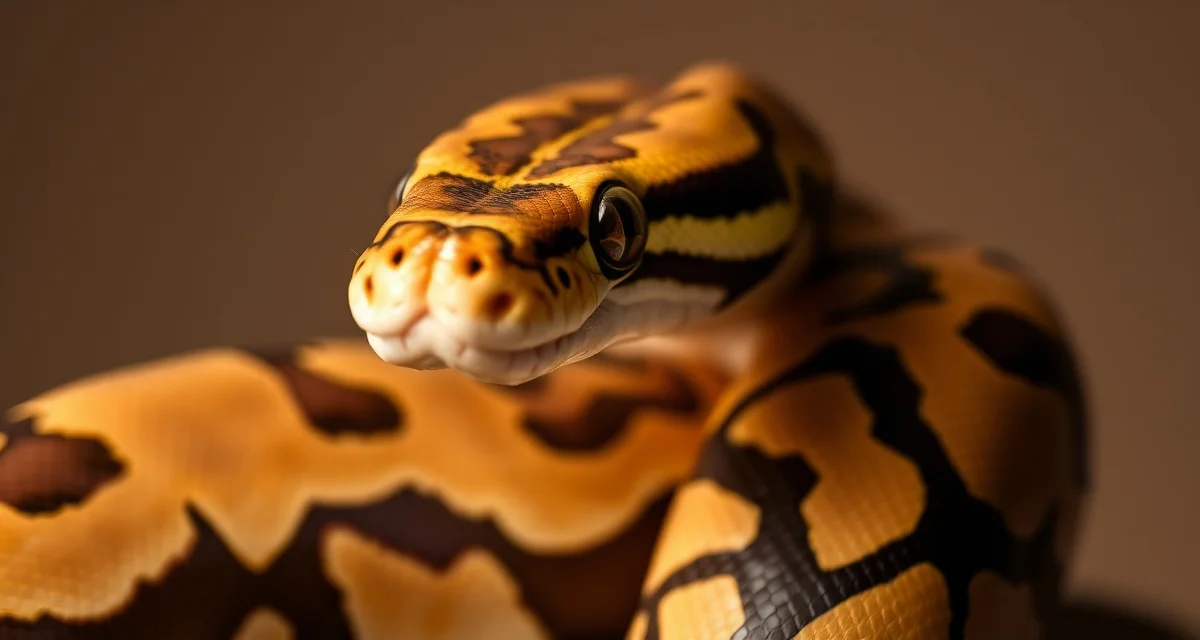
What Is Spider Wobble in Ball Pythons FAQ
By HatchLedger Editorial Team · Published 2025-05-31 · Updated Mar 13, 2026
Spider wobble is one of the most debated topics in the ball python community. If you're considering breeding Spider ball pythons, you need to understand it fully before you decide.
TL;DR
- Every single ball python carrying the Spider gene has the neurological wobble condition, there are no wobble-free Spiders.
- Severity ranges from barely noticeable tremors to constant symptoms that prevent normal feeding and locomotion.
- Wobble may worsen with age, stress, illness, or shedding, so a mildly affected hatchling is not guaranteed to stay mild.
- Popular Spider combinations like Bumblebee, Spinner, and Killer Bee all carry the wobble and buyers must be informed of this before purchase.
- Misrepresenting a Spider-gene animal's neurological status to a buyer is both an ethical failure and a serious reputational risk for your operation.
- HatchLedger's genetics records allow you to clearly document Spider gene status on every animal so nothing is misrepresented at the point of sale.
What Is Spider Wobble?
Spider wobble, also called the Spider syndrome or Spider neurological defect, refers to a neurological condition that affects all ball pythons carrying the Spider gene. It manifests as abnormal head tremors, tilting, corkscrewing, and loss of equilibrium, particularly when the animal is stressed, during feeding, or when it turns upside down.
Every Spider ball python carries this condition to some degree. There is no such thing as a Spider ball python without the wobble gene, because the wobble is caused by the Spider gene itself.
How Severe Is Spider Wobble?
Severity varies dramatically. Some Spiders show minimal signs that barely affect quality of life. Others have severe, constant neurological symptoms that interfere with feeding, locomotion, and basic function.
The variation is not fully understood. Individual genetics, lineage, and possibly environmental factors seem to influence severity, but you cannot predict how severe any given Spider animal will wobble.
Is Spider Wobble a Health Problem?
Yes. Animals with moderate to severe wobble struggle to strike and catch prey, often missing repeatedly or injuring themselves trying. Severe cases may be unable to right themselves when placed on their back. These are real quality-of-life impacts.
Spiders with severe wobble may require assist feeding for ball pythons. Some breeders argue that animals with severe neurological compromise should not be bred, though standards vary across the community.
Does the Wobble Get Worse Over Time?
Some breeders and keepers report that wobble can worsen as animals age or during periods of stress, illness, or shedding. Others report no notable progression. The anecdotal data is inconsistent enough that you shouldn't assume a mildly wobbling animal will stay mild.
What Is the Controversy Around Breeding Spiders?
The debate is fundamentally ethical. Since the Spider gene causes neurological defects in every single carrier, some breeders and hobbyists argue that producing Spiders is irresponsible, knowing that every hatchling will have a neurological condition with no cure.
Others argue that mild wobble cases allow for good quality of life, that market demand for Spider combinations remains strong, and that banning the morph would effectively destroy existing lines without measurable benefit.
USARK and most reptile keeper organizations have not taken a formal position. Individual reptile shows and some online communities have, however, restricted or banned Spider pairings. Understanding ball python breeder ethics and disclosure standards can help you navigate these community expectations.
What Are Spider Combinations That Stay Legal or Popular?
Bumblebee (Spider + Pastel), Spinner (Spider + Pinstripe), Killer Bee (Spider + Pastel + Pinstripe), and similar combinations remain popular on MorphMarket. All carry the wobble with the Spider gene. Buyers of these combinations should be informed of the neurological status.
How Do You Track Spider Animals in Your Records?
Any animal carrying Spider should be clearly documented as such, with buyers fully informed before purchase. Misrepresenting a Spider-gene animal's neurological status to a buyer is a serious ethical failure and a reputational risk.
In HatchLedger, your animal genetics records should clearly note Spider gene status. The ball python breeding hub covers ethical breeding practices in more depth. And when you run pairings in the ball python morph calculator, any Spider pairing will show you what percentage of offspring will carry the Spider gene.
Frequently Asked Questions
What is spider wobble in ball pythons?
Spider wobble is a neurological condition that affects all ball pythons carrying the Spider gene, causing head tremors, tilting, and balance problems of varying severity. It is caused by the Spider gene itself and cannot be bred out while retaining the Spider appearance.
How do professional breeders handle spider wobble in their breeding programs?
Ethical breeders fully disclose the neurological status of any Spider or Spider-combination animal to buyers, make informed decisions about whether to continue producing Spider offspring, and do not misrepresent wobble severity in their animals.
What software helps manage spider ball python genetics records?
HatchLedger documents full genetics for every animal including Spider gene status, helping ensure that animals are accurately represented in sales and that buyers receive complete information about the animals they purchase.
Can two Spider ball pythons be bred together, and what happens?
Breeding two Spider animals together produces a 25% chance of offspring inheriting two copies of the Spider gene, known as a Super Spider. Super Spider animals are not viable and do not survive, making Spider-to-Spider pairings an outcome most responsible breeders actively avoid. The remaining offspring from such a pairing will be 50% Spider and 25% normal.
Is there any way to test whether a ball python carries the Spider gene before it shows wobble symptoms?
There is currently no genetic test available to consumers that can identify Spider gene status in a ball python. The only reliable indicators are visual identification of the Spider pattern and observable neurological symptoms. This is why accurate record-keeping from the breeder of origin is so important when buying or selling Spider-gene animals.
Do reptile shows or expos have rules about selling Spider ball pythons?
Some reptile expos and online selling communities have introduced restrictions or outright bans on Spider pairings and Spider-gene offspring sales, though there is no universal standard across the hobby. Policies vary by event and platform, so breeders planning to sell Spider combinations should check the specific rules of any show or marketplace they use before attending.
Does wobble severity affect the resale value of Spider ball pythons?
Yes, in practice it does. Animals with visible, moderate-to-severe wobble typically sell for less than those with minimal symptoms, even within the same morph combination. Buyers increasingly ask about wobble severity before purchasing, and breeders who document and honestly disclose symptom levels tend to build stronger long-term reputations than those who do not.
What is What Is Spider Wobble in Ball Pythons FAQ?
Spider wobble is a neurological condition linked to the Spider gene in ball pythons. Every animal carrying this gene is affected — there are no exceptions. Symptoms include head tremors, tilting, corkscrewing, and loss of balance, most visible during feeding or stress. Severity varies widely between individuals. This FAQ covers what breeders and buyers need to know before working with Spider morphs or popular combinations like Bumblebee, Spinner, and Killer Bee.
How much does What Is Spider Wobble in Ball Pythons FAQ cost?
There is no financial cost associated with this FAQ — it is free educational content for ball python breeders and keepers. However, owning a Spider-gene animal can carry real costs: specialized feeding setups, additional husbandry time, and veterinary care if symptoms are severe. Breeders also risk reputational and business costs if Spider-gene animals are sold without full disclosure of the neurological condition to buyers.
How does What Is Spider Wobble in Ball Pythons FAQ work?
The Spider gene causes a dominant neurological defect that affects balance and motor control. When a ball python inherits even one copy of the gene, normal nerve signaling is disrupted. This produces visible symptoms — head wobble, tremors, and corkscrewing — that can range from mild to debilitating. Stress, illness, shedding, and age can all worsen severity. Because the gene is dominant, there is currently no way to produce a wobble-free Spider morph.
What are the benefits of What Is Spider Wobble in Ball Pythons FAQ?
Understanding spider wobble helps breeders make ethical, informed decisions about which projects to pursue and how to represent animals honestly at the point of sale. Clear documentation of Spider gene status protects your reputation and builds buyer trust. Tools like HatchLedger let you record genetics accurately so nothing is misrepresented. For keepers, this knowledge ensures proper husbandry and realistic expectations about the long-term care needs of affected animals.
Sources
- United States Association of Reptile Keepers (USARK), policy and advocacy resources for reptile breeders
- MorphMarket, ball python morph marketplace and community standards documentation
- Ball Python Genetics and Husbandry, reptile veterinary guidance published by the Association of Reptile and Amphibian Veterinarians (ARAV)
- World of Ball Pythons (worldofballpythons.com), morph database and gene reference library
- Journal of Herpetological Medicine and Surgery, peer-reviewed clinical case studies on neurological conditions in captive pythons
Get Started with HatchLedger
If you work with Spider-gene animals, accurate genetics records are not optional, they protect your buyers and your reputation. HatchLedger lets you document Spider gene status, wobble notes, and full lineage on every animal in your collection, so nothing gets misrepresented at the point of sale. Start your free trial and see how much cleaner your records can be.