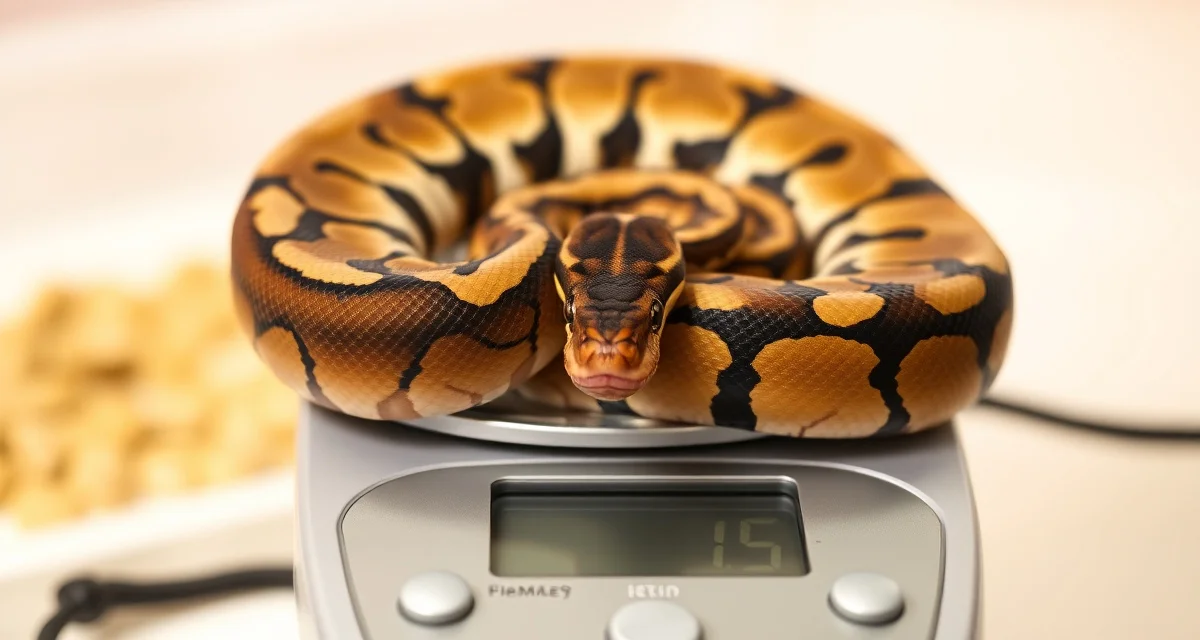
What Age Can Ball Pythons Breed FAQ
Knowing when a ball python is actually ready to breed, not just old enough on paper, is one of the more important judgment calls in the hobby. Age alone isn't the deciding factor.
TL;DR
- Females can be sexually mature at 18 months, but most experienced breeders wait until they reach at least 1,200 to 1,500 grams before the first breeding attempt
- Weight is a more reliable readiness indicator than age, a 600 to 800 gram male can breed successfully, while undersized females face serious health risks
- Breeding females too young or underweight increases the likelihood of all-slug clutches, dystocia, and shortened reproductive lifespans
- Healthy, well-conditioned females can breed successfully year after year; males can be used with 10 or more females in a single season
- Tracking individual weight history and breeding introduction dates in permanent records is essential for making good decisions in future seasons
What Is the Minimum Age to Breed Ball Pythons?
Ball pythons can be sexually mature as young as 18 months, but most responsible breeders wait until females are at least 2 to 3 years old and at appropriate weight before attempting breeding. Males can be used at 18 months if they're at appropriate weight and showing interest, though older males often perform more reliably.
The key point: age is a proxy for maturity, but weight is the better metric.
What Weight Should a Female Be Before Breeding?
The standard recommendation is a minimum of 1,200 grams for a female's first breeding, with many experienced breeders preferring 1,500 grams or more. Larger females tend to produce larger clutches with better hatch rates.
Breeding a female at too low a weight carries real risks. Underconditioned females are more likely to produce all-slug clutches, have extended post-lay anorexia, experience dystocia (difficult or failed egg-laying), and struggle to recover body condition for future seasons.
What Weight Should a Male Be Before Breeding?
Males can be used at lower weights than females since they don't carry the metabolic burden of egg production. A male at 600 to 800 grams can often breed successfully, though males approaching 1,000 grams tend to show more consistent interest and locking behavior.
A very small male paired with a large female may have physical difficulty achieving successful copulation. Match your pairs with some attention to size disparity.
Can You Breed Ball Pythons Every Year?
Females, yes, in most cases. Many healthy, well-conditioned females breed successfully year after year without needing a rest season. Some breeders choose to skip every other year for their most prolific producers to let them fully recover body condition and maintain long-term reproductive health.
Males can be used with multiple females in a single season and then used again the following year without issue. Some highly productive males are used for 10 or more females in a season.
How Do You Know If a Female Is Ready to Breed?
Weight is the primary indicator. Beyond weight, look for:
- Female actively exploring her enclosure, especially at night
- Responding positively to male introduction (allowing him to follow and court without aggression)
- Pre-ovulation follicle development visible as a lumpy, bumpy feel along the posterior third of her body
Some females show zero interest early in the season and become receptive as cooling cycles progress. Don't give up after a single introduction.
What Happens If You Breed a Female Too Young?
Breeding undersized or underage females creates real health risks. They're more prone to dystocia because the reproductive tract hasn't fully developed. Recovery from egg laying is harder on a smaller, less conditioned animal. Multiple seasons of early breeding can shorten a female's productive lifespan.
You also tend to get smaller clutches from young or underconditioned females. Waiting an extra season typically means more eggs, better hatch rates, and a healthier animal long-term.
How Do You Track Breeding Age and Weight Data?
This is basic data that should live in your permanent animal records. Every animal's birth date, weight history, first breeding date, and first clutch date gives you the information to make good decisions in future seasons.
The ball python breeding hub supports your overall breeding operation management. In HatchLedger, you track weight logs and breeding introductions per individual animal, so you can look back and see exactly when a female was introduced and what her weight was at that time. The ball python morph calculator helps you plan which pairings to make once your animals are ready.
Frequently Asked Questions
What age can ball pythons breed?
Ball pythons can be sexually mature by 18 months, but most responsible breeders wait until females reach at least 1,200 to 1,500 grams regardless of age before attempting breeding. Weight is a more reliable readiness indicator than age alone.
How do professional breeders handle ball python breeding age decisions?
They track weight history for every animal, set minimum weight thresholds for first breeding, and prioritize female body condition over rushing animals into production early, recognizing that patient development leads to better long-term production.
What software helps manage ball python breeding age and weight records?
HatchLedger logs weight history and breeding introduction dates for every animal, giving you a clear record of when each animal entered production and allowing you to track conditioning over time.
How many times can a male ball python be used in a single breeding season?
A healthy male can be paired with multiple females throughout a season, and some high-demand males are used with 10 or more females without issue. It's good practice to give males a few days of rest between pairings and to monitor their feeding response and body weight throughout the season to ensure they aren't losing too much condition.
Can a female ball python breed in her first year if she reaches the minimum weight early?
Reaching 1,200 grams before 18 months is uncommon but possible with aggressive feeding schedules. Most experienced breeders still prefer to wait until the animal is closer to 2 years old, since skeletal and reproductive tract development doesn't always keep pace with weight gain. Rushing a fast-growing female into production early can still carry the same dystocia and recovery risks as breeding an underweight animal.
What is an all-slug clutch and why does it happen more often in underconditioned females?
A slug is an infertile, undeveloped egg that will not hatch. All-slug clutches occur when a female ovulates but none of the eggs are successfully fertilized or develop properly. Underconditioned females are more prone to this outcome because their bodies may not have the reserves needed to support successful follicle development and fertilization, even when a successful lock has occurred. Ensuring females are well above the minimum weight threshold before breeding is one of the most effective ways to reduce slug rates.
Does skipping a breeding season actually improve a female's long-term productivity?
For most healthy females, skipping a season is not necessary if body condition is maintained. However, for females that consistently lose significant weight during and after egg laying, or those that have had difficult clutches, a rest year allows full recovery before the next reproductive cycle. Breeders who track body weight before and after each season are in the best position to make that call on a per-animal basis rather than applying a blanket rule.
Sources
- Ball Python Care and Breeding Guidelines, United States Association of Reptile Keepers (USARK)
- Reptile Breeding and Husbandry Reference, Association of Reptilian and Amphibian Veterinarians (ARAV)
- Exotic Animal Formulary and Husbandry Notes, American Association of Zoo Veterinarians (AAZV)
- Python Reproductive Biology Research, Journal of Herpetological Medicine and Surgery
- Captive Reptile Nutrition and Conditioning Guidelines, British Veterinary Zoological Society (BVZS)
Get Started with HatchLedger
If you're making breeding decisions based on memory or scattered notes, you're working harder than you need to. HatchLedger gives you per-animal weight logs, breeding introduction records, and clutch history in one place, so you can see at a glance whether a female is conditioned and ready before the season starts. Try HatchLedger free and build the records that make every breeding season easier to manage.