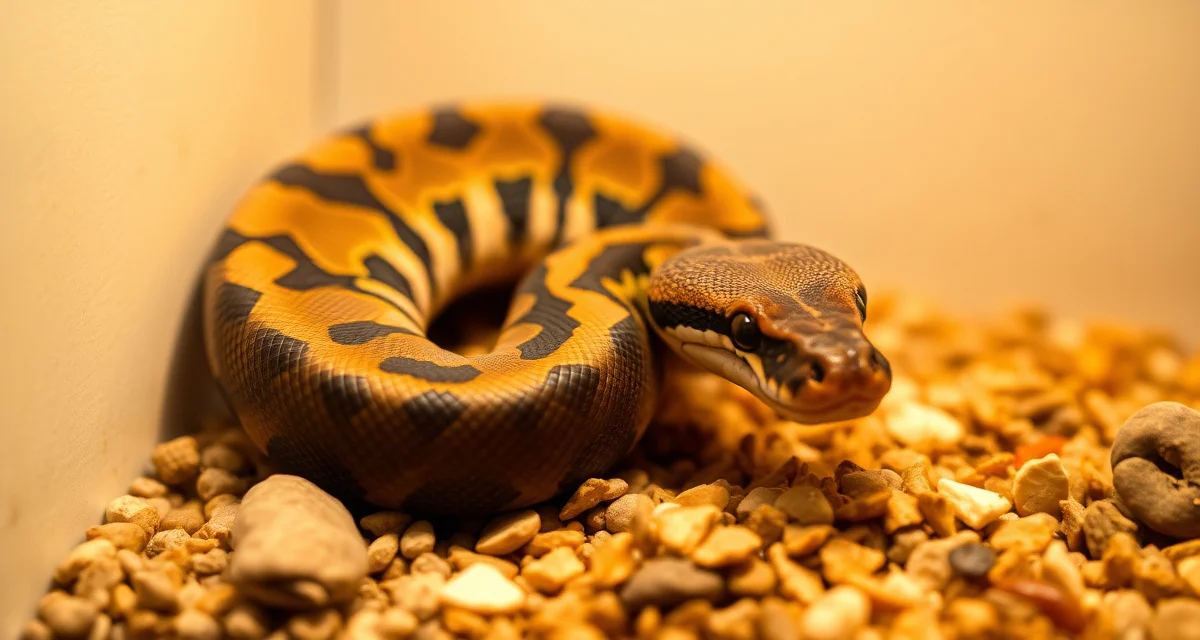
Assist Feeding Ball Pythons: When to Try and When to Stop
Ball pythons are notorious problem feeders. Most feeding refusals are behavioral or environmental, not medical, and the answer is patience plus troubleshooting. But there are situations where a ball python genuinely cannot or will not feed on its own and needs intervention. Assist feeding is a last resort, not a standard practice.
Distinguishing Behavioral Refusal from Medical Need
Before considering assist feeding, eliminate the environmental and behavioral causes of refusal:
Shed cycle. Ball pythons often refuse food when in blue (pre-shed). Wait until after the shed is complete, give 2-3 days, then offer again.
Temperature problems. If the hot spot is below 86F, digestion is inefficient and feeding response suffers. Verify temperatures with a temperature gun, not just a thermostat reading.
Prey type. Some ball pythons are imprinted on a specific prey type. A snake raised on live African soft fur rats may refuse frozen/thawed domestic mice completely. Try the prey type it was raised on before concluding it won't eat.
Stress. A recently moved animal, one that's been handled too much, or one in a visually exposed enclosure may refuse. Cover the tub sides, reduce handling, and give it a week of quiet.
Breeding season. Ball python males in active breeding season commonly refuse food for weeks to months. This is hormonal and normal. Females during gestation similarly reduce feeding.
If you've addressed all of these and a non-breeding, non-shedding animal is declining in weight after 6-8 weeks of refusals, it's time to consider either a veterinary check or assist feeding.
Brain Feeding: The First Intervention
Brain feeding, also called "brain scenting," involves making a small incision in the skull of a frozen/thawed prey item to expose the brain matter. The scent of brain tissue is a powerful feeding trigger for reluctant snakes. Many will strike and constrict a prey item they've repeatedly refused once the brain is exposed.
How to do it:
- Thaw a prey item completely in warm water.
- Use a sharp knife or scissors to cut through the skull at the top of the head, exposing a small amount of brain.
- Offer the prey item with tongs, targeting the snake's nose with the incised end.
- Allow the snake to investigate. Be patient. Do not wave the prey item aggressively.
Brain feeding is not considered assist feeding. The snake is still striking and swallowing on its own. It just needed a more compelling scent trigger. Many picky ball pythons will respond to this and can eventually be transitioned to unscented prey.
Assist Feeding Technique
Assist feeding involves placing a prey item partially into the snake's mouth to trigger a swallowing response. This should only be done when an animal is at risk of significant weight loss and a vet visit is not immediately available or has already been completed without resolving the issue.
Equipment: Appropriately sized frozen/thawed prey (head only or small whole prey for juveniles, appropriately sized whole prey for adults), gloves, and ideally a partner to help hold the snake.
Procedure:
- Warm the prey item completely. Cold prey triggers no swallowing response.
- Gently hold the snake behind the head, not squeezing or stressing the animal more than necessary.
- Use the moist nose of the prey to contact the snake's lips. Many snakes will begin mouthing the prey item from here.
- If the snake opens its mouth, gently insert the prey item head-first past the mouth opening.
- Once the prey is past the front teeth, release the snake's head and allow it to swallow on its own. Most will swallow once the item is started.
Do not force a prey item in if the snake is actively resisting. Forced feeding can cause throat injuries. If the snake won't accept the prey with gentle encouragement, stop and try again in a few days.
After an assist feed, keep the snake warm, undisturbed, and in a secure enclosure for at least 48 hours to allow digestion.
When to Stop Trying
Assist feeding treats the symptom, not the cause. If a snake requires repeated assist feeding, it needs a veterinary evaluation. Common underlying causes include:
- Cryptosporidiosis (Crypto): a parasitic infection common in ball pythons that causes progressive wasting. There is no reliable cure. Animals with confirmed Crypto should not share equipment or space with healthy animals.
- Inclusion Body Disease (IBD): a retroviral disease in boas and pythons, typically fatal.
- Internal parasites: treatable with the right antiparasitics once identified via fecal test.
- Neurological issues: some morphs (notably Spider ball pythons) can develop wobble that becomes severe enough to affect feeding.
Document every feeding attempt and every assist feed in your records. HatchLedger's feeding log tracks refusals as well as successful feedings, giving you a complete picture of when the problem started and how the animal has responded to interventions. That documentation is useful for your vet and helps you make informed decisions about long-term care.
Related content: Hatchling Feeding Records | Converting Snakes to Frozen Thawed | Animal Health Records
Sources
- Association of Reptilian and Amphibian Veterinarians (ARAV)
- Ball Python Breeders Association community guidance
- Reptile Channel veterinary consultation archives