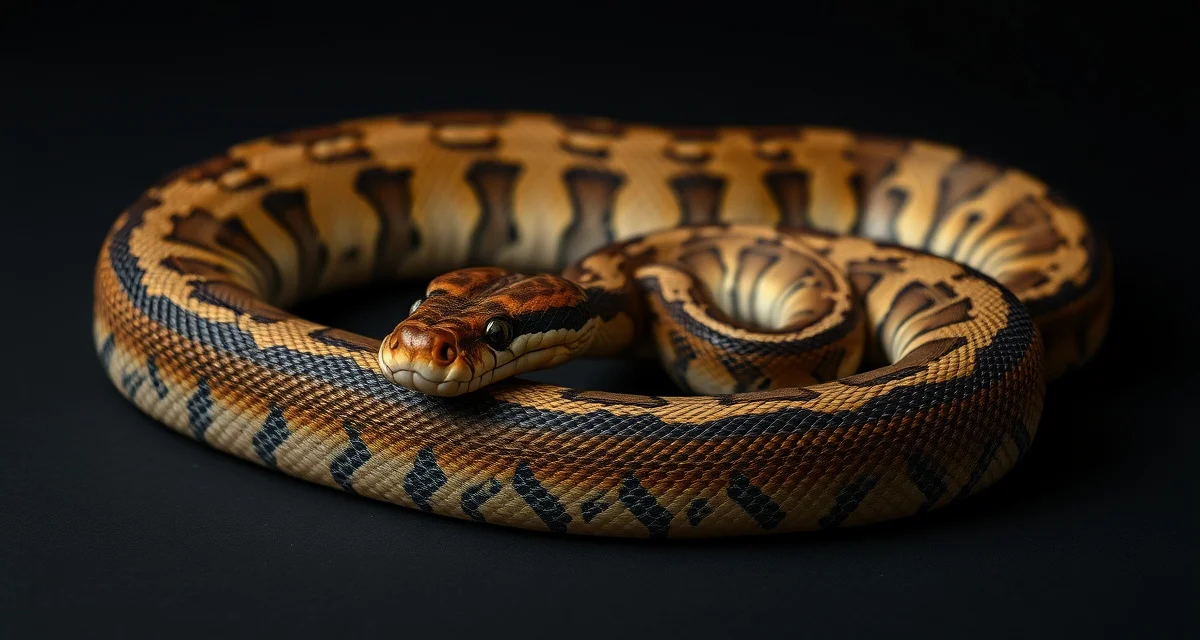
Reticulated Python Clutch Size and Egg Count: Complete Breeder Guide
By HatchLedger Editorial Team · Published 2025-03-07 · Updated Mar 13, 2026
Reticulated pythons produce some of the largest clutches of any captive snake. A well-conditioned adult female in her prime can produce 30-100+ eggs per clutch, making them one of the most productive egg-laying snakes in captivity. This production potential changes the economics of retic breeding significantly compared to species that produce 10-20 eggs per season. Breeders using integrated software report 30% less time on administrative tasks, critical when a 60-egg clutch requires significant management attention.
TL;DR
- Reticulated pythons (Malayopython reticulatus) are the world's longest snake species, with breeding females commonly exceeding 10-14 feet.
- Clutch sizes average 30-60 eggs, making retics one of the most productive large constrictors in captive breeding.
- Temperature drops of 5-8 degrees Fahrenheit over 6-8 weeks typically trigger breeding behavior without the longer cooling required by temperate species.
- Incubation runs 80-90 days at 88-90 degrees Fahrenheit, longer than most python species due to egg size.
- Super dwarf and dwarf locality animals are bred specifically for smaller adult size and command significant premiums over standard retics.
Average Clutch Sizes
Clutch size in reticulated pythons correlates strongly with female body size. As a rough benchmark, expect approximately 1 egg per foot of body length, though variation is substantial. A 12-foot female may produce 30-50 eggs; a 16-foot female in excellent condition may produce 60-100+ eggs.
First-time breeders typically produce smaller clutches that increase as the female matures and her reproductive system develops fully. Females reach peak clutch production in their prime years (approximately 5-12 years old for full-size retics; supermorph dwarf lines mature faster).
Superdwarf and regular dwarf retics -- selectively bred or naturally smaller subspecies/lines -- produce smaller clutches consistent with their reduced body size.
What Drives Clutch Size
Female body condition going into breeding season is the primary controllable variable. Females that are well-fed and at healthy body weight in the months before cycling consistently produce larger clutches than underconditioned animals.
Unlike blood pythons where obesity is a common problem, retics generally need active feeding to maintain appropriate condition given their high energy requirements. Full-size retics that are growing into large adults need consistent, appropriate feeding to reach breeding size and maintain breeding condition.
Pairing management also affects clutch quality -- multiple confirmed copulation events throughout the breeding season improve fertilization rates and reduce slug proportions.
Handling Very Large Clutches
A 60-80 egg clutch is a substantial incubation management project. Plan your incubation setup to handle this volume before the female lays. Multiple incubation containers, sufficient substrate, and a large commercial incubator are necessary for managing very large retic clutches.
At lay, assess egg quality and remove slugs promptly. Photograph the clutch before and after slug removal. Count all eggs and document the totals in your clutch record.
HatchLedger tracks clutch size records including total eggs, slug count, viable count, and lay date linked to the breeding pair.
HatchLedger connects clutch data to financial records for per-season P&L analysis.
Frequently Asked Questions
What is the best approach to reticulated python clutch size optimization?
Maintain females in good body condition year-round -- not lean and not obese, but well-fed and muscular. Ensure sufficient confirmed copulation events during breeding season. Document every clutch in full detail: total eggs, slug count, viable count, lay date. Compare across seasons to evaluate each female's productivity trend. Plan incubation infrastructure in advance for the scale of clutch your female is likely to produce.
How do professional breeders handle reticulated python clutch size tracking?
Professional retic breeders document every clutch in detail and compare across seasons for each female. They evaluate slug rates as performance indicators and investigate high slug rates systematically. They also connect clutch size data to financial projections -- a 60-egg morph clutch has very different value implications than a 60-egg normal clutch, and knowing the expected outcome in advance helps with planning and buyer communications.
What software helps manage reticulated python clutch records?
HatchLedger tracks cycling records, pairing introductions, clutch documentation, locality lineage, and sale records for reticulated python breeders. With large animals, large clutches, and locality documentation all requiring careful records, having everything in one system reduces the risk of documentation errors at sale. Free for up to 20 animals.
What is the difference between standard, dwarf, and super dwarf reticulated pythons?
Standard reticulated pythons are the full-size animals from mainland Asian populations. Dwarf retics originate from island populations (Kalatoa, Kayuadi) and typically reach 8-12 feet. Super dwarf retics from Madu and Selayer islands often cap below 8 feet. These size differences are locality-based, and crossing localities produces intermediates. Locality documentation in your records is essential for accurate representation to buyers.
What are the legal considerations for keeping and breeding reticulated pythons?
Regulations vary significantly by state and municipality. Several US states restrict or ban large constrictors, and federal regulations under the Lacey Act apply to some populations. USARK maintains current regulatory information. Before breeding retics at scale, confirm that selling and shipping animals is permitted in your jurisdiction and target markets.
What is Reticulated Python Clutch Size and Egg Count: Complete Breeder Guide?
This is a comprehensive breeding reference covering everything reticulated python breeders need to know about clutch production. It details average egg counts (30–60 eggs, with conditioned females reaching 100+), breeding triggers, incubation parameters, and locality-specific differences like super dwarf versus standard retics. The guide also covers how to manage large clutches efficiently, making it useful for both first-time retic breeders and experienced keepers scaling their programs.
How much does Reticulated Python Clutch Size and Egg Count: Complete Breeder Guide cost?
The guide is free to read on HatchLedger. There is no purchase required to access the clutch size data, incubation tables, or breeding recommendations. HatchLedger does offer paid breeding management software that helps track eggs, hatch rates, and animal records—particularly valuable when managing the large clutches retics produce—but reading the article itself costs nothing.
How does Reticulated Python Clutch Size and Egg Count: Complete Breeder Guide work?
The guide walks breeders through the full retic reproductive cycle: conditioning females, triggering breeding with a 5–8°F temperature drop over 6–8 weeks, monitoring follicle development, and incubating eggs at 88–90°F for 80–90 days. It explains how clutch size correlates with female size, body condition, and locality type, then covers post-hatch management strategies for handling 30–100+ hatchlings at once.
What are the benefits of Reticulated Python Clutch Size and Egg Count: Complete Breeder Guide?
Breeders gain a data-backed benchmark for evaluating their own clutch performance against typical retic production ranges. The guide helps set realistic expectations around hatch rates, incubation timelines, and the administrative load of large clutches. Understanding locality differences—particularly the size and price premiums of super dwarf animals—also helps breeders make smarter pairing decisions and price offspring more competitively in the market.
Who needs Reticulated Python Clutch Size and Egg Count: Complete Breeder Guide?
This guide is aimed at captive reptile breeders working with reticulated pythons at any scale—from hobbyists producing their first clutch to commercial operations managing multiple females. It is especially useful for breeders transitioning from smaller species like corn snakes or ball pythons who need to understand how retic clutch sizes and incubation demands differ significantly from what they may be used to.
How long does Reticulated Python Clutch Size and Egg Count: Complete Breeder Guide take?
The breeding cycle for reticulated pythons runs approximately 5–6 months from the start of temperature cycling to hatch. The cooling period lasts 6–8 weeks, followed by breeding, a pre-lay shed, and egg deposition. Incubation then runs 80–90 days at 88–90°F—longer than most pythons due to egg size. Breeders should plan for the full timeline plus additional weeks of hatchling management before offspring are ready to sell.
Related Articles
Sources
- USARK (United States Association of Reptile Keepers)
- Association of Reptilian and Amphibian Veterinarians (ARAV)
- Journal of Herpetology (Society for the Study of Amphibians and Reptiles)
- CITES Appendix II (international trade documentation)
- Southeast Asian Biodiversity Society
Get Started with HatchLedger
Reticulated python breeding at any scale involves large animals, large clutches, morph and locality genetics overview, and compliance and shipping records that require an organized system to manage well. HatchLedger tracks every animal, pairing, clutch, and sale record in one place. Try it free with up to 20 animals.