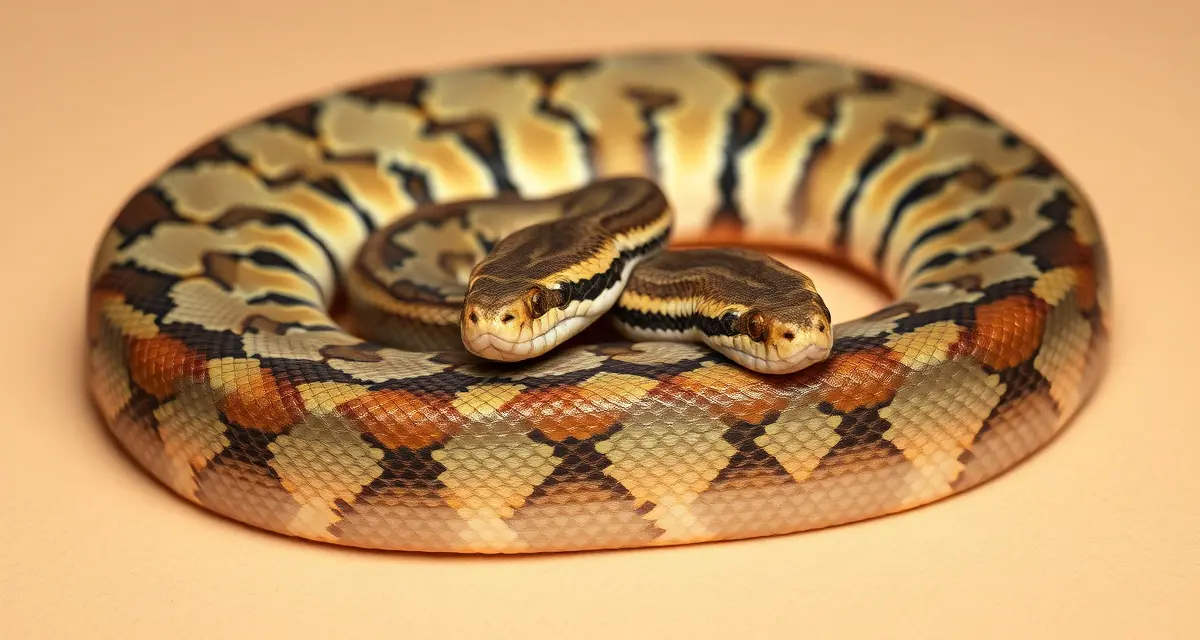
Reticulated Python Morph Genetics Overview: Complete Breeder Guide
Reticulated python morph genetics have developed into one of the most expansive and commercially significant morph markets in the reptile hobby. With dozens of established mutations across recessive, co-dominant, and dominant inheritance types, retics offer breeding project potential comparable to ball pythons. The morph market for retics also includes the "supermorph dwarf" and "dwarf" line breeding that intersects genetics with locale-specific size characteristics. Breeders using integrated software report 30% less time on administrative tasks, important in a morph market where tracking complex genetics across multiple generations requires organized records.
TL;DR
- Reticulated pythons (Malayopython reticulatus) are the world's longest snake species, with breeding females commonly exceeding 10-14 feet.
- Clutch sizes average 30-60 eggs, making retics one of the most productive large constrictors in captive breeding.
- Temperature drops of 5-8 degrees Fahrenheit over 6-8 weeks typically trigger breeding behavior without the longer cooling required by temperate species.
- Incubation runs 80-90 days at 88-90 degrees Fahrenheit, longer than most python species due to egg size.
- Super dwarf and dwarf locality animals are bred specifically for smaller adult size and command significant premiums over standard retics.
Core Morph Categories
Albino (Leucistic/Golden Child type): Several albino-type mutations exist in retics. The Golden Child morph produces a yellow and orange animal with pattern reduction. Albino animals lacking melanin entirely produce white and yellow coloration. Recessive inheritance for most albino variants.
Super Dwarf: Not a genetic morph in the traditional sense, but a size-selective breeding outcome from island dwarf retics (particularly from the Kalatoa and Kayuadi islands). Super dwarfs don't grow as large as standard retics, reaching 8-12 feet rather than 14-20+. The size difference is dramatic and the market for super dwarfs is substantial among hobbyists who want retics but not full-size animals.
Tiger: A co-dominant mutation that disrupts the normal network pattern into a "tiger stripe" appearance. Single-copy tigers show one pattern expression; Tiger x Tiger (Super Tiger) produces a dramatically different appearance.
Mochino (Mocha): A co-dominant mutation reducing pattern complexity and intensifying ground color. Produces animals with reduced dark patterning and warmer yellow-orange tones.
Motley: Pattern mutation that disrupts the normal geometric pattern. Available in several forms from different genetic backgrounds.
Genetic Stripe: A recessive mutation producing a connected dorsal stripe and greatly reduced lateral pattern. Very striking appearance. Multiple genetic stripe lines exist with different background genetics.
Albino: Multiple albino lines exist in retics (White Albino, Purple Albino, etc.) with different phenotypic expressions. As with boa albino lines, some may be allelic -- crossing them may not produce visual albinos.
Dwarf and Supermorph Dwarf Genetics
Dwarf retics involve island-specific locality genetics that affect maximum adult size. These aren't single-gene mutations in the traditional sense but rather polygenic size traits from specific island populations (Kayuadi, Kalatoa, Jampea, etc.). Crossing full-size mainland retics with island dwarfs produces "50% dwarfs" that reach an intermediate maximum size.
Supermorph dwarfs combine island locality genetics with established color/pattern morphs. A Super Tiger Mochino Dwarf, for example, combines the Tiger morph, Mochino morph, and dwarf island genetics in a single animal. These projects require years of careful breeding and documentation.
Record Keeping for Retic Morph Projects
Retic morph record keeping requires the same precision as ball python genetics but often across larger, more complex animals with longer lifespans and breeding seasons. Knowing which specific albino line an animal carries, what dwarf percentage it represents, and which combination morphs are in its genetic background requires complete historical records.
HatchLedger tracks morph genetics including specific lines and locality information as part of each animal's core record.
HatchLedger connects genetic records to clutch outcomes and financial performance for complete program evaluation.
Frequently Asked Questions
What is the best approach to reticulated python morph genetics documentation?
Know your specific morph lines -- multiple albino types and other variants exist and documentation of which specific line an animal carries matters. Track dwarf percentage and locale for size-line animals. Document het status with the same rigor as any other recessive species. Be transparent about genetic uncertainty rather than inflating claims. Connect morph records to breeding outcomes across multiple seasons to verify genetic lines are performing as expected.
How do professional breeders handle reticulated python morph genetics records?
Professional retic breeders maintain complete lineage records for every morph animal, distinguishing between visual, proven het, and possible het status. They track dwarf percentages and locale origins for size-line projects. When producing a clutch, they document expected genetic outcomes per neonate and verify whether actual outcomes match predictions. Discrepancies between expected and actual genetics indicate a records problem that's better caught early than discovered when buyers breed the animal.
What software helps manage reticulated python morph genetics records?
HatchLedger tracks cycling records, pairing introductions, clutch documentation, locality lineage, and sale records for reticulated python breeders. With large animals, large clutches, and locality documentation all requiring careful records, having everything in one system reduces the risk of documentation errors at sale. Free for up to 20 animals.
What is the difference between standard, dwarf, and super dwarf reticulated pythons?
Standard reticulated pythons are the full-size animals from mainland Asian populations. Dwarf retics originate from island populations (Kalatoa, Kayuadi) and typically reach 8-12 feet. Super dwarf retics from Madu and Selayer islands often cap below 8 feet. These size differences are locality-based, and crossing localities produces intermediates. Locality documentation in your records is essential for accurate representation to buyers.
What are the legal considerations for keeping and breeding reticulated pythons?
Regulations vary significantly by state and municipality. Several US states restrict or ban large constrictors, and federal regulations under the Lacey Act apply to some populations. USARK maintains current regulatory information. Before breeding retics at scale, confirm that selling and shipping animals is permitted in your jurisdiction and target markets.
Sources
- USARK (United States Association of Reptile Keepers)
- Association of Reptilian and Amphibian Veterinarians (ARAV)
- Journal of Herpetology (Society for the Study of Amphibians and Reptiles)
- CITES Appendix II (international trade documentation)
- Southeast Asian Biodiversity Society
Get Started with HatchLedger
Reticulated python breeding at any scale involves large animals, large clutches, morph and locality genetics overview, and compliance and shipping records that require an organized system to manage well. HatchLedger tracks every animal, pairing, clutch, and sale record in one place. Try it free with up to 20 animals.