Spider Ball Python: Genetics, Breeding Outcomes and Pricing
By HatchLedger Editorial Team · Published 2025-01-28 · Updated Mar 13, 2026
The Spider is one of the most visually distinct and commercially significant morphs in the ball python hobby, and also one of the most contested. Before you add Spider to a breeding project, you need to understand the genetics, the welfare implications, and how buyers think about Spider animals today.
TL;DR
- The Spider morph is a documented genetic variant in ball pythons with established inheritance pattern and pricing history.
- Co-dominant morphs express visually in single copy and produce a distinct super form in double copy (with exceptions like Spider where the super is non-viable).
- Recessive morphs require two copies to be visually expressed; single-copy carriers (hets) look identical to normal ball pythons.
- Documented het claims backed by parentage records are worth significantly more at resale than unverified possible-het claims.
- Market prices for any given morph are heavily influenced by production volume, demand trends, and whether the morph stacks well with high-value genes.
Spider Genetics
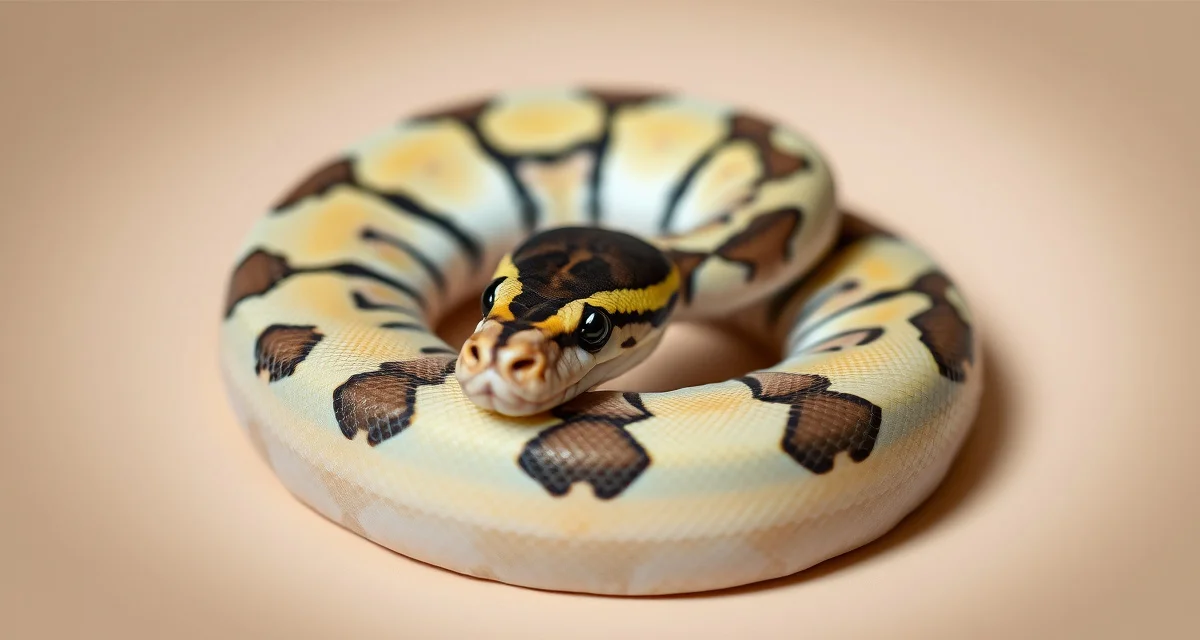
Spider is a co-dominant (incomplete dominant) mutation. Single-copy Spiders show a characteristic thin "spider-web" patterning with a reduced, fragmented dorsal stripe, creamy white sides, and a clean white belly. The pattern is highly variable, some Spiders are heavily webbed, others show a more linear reduction.
The homozygous "Super Spider" (Spider × Spider pairing) is widely considered non-viable. Animals that develop as Super Spider homozygotes typically don't survive to hatch or are severely affected. This makes Spider one of the few common co-dominant morphs where the super form isn't a breeding goal.
Inheritance from a Spider × normal pairing:
- 50% Spider
- 50% normal
From Spider × Spider (not recommended):
- 25% Super Spider (non-viable)
- 50% Spider
- 25% normal
Key het interactions: Spider is not allelic with other common morphs. It combines freely with recessive genes (Clown, Pied, Albino) and other co-dominants to produce combo morphs.
The Wobble Issue
Spider ball pythons exhibit a neurological condition colloquially called "wobble", head tremors, corkscrewing, and loss of coordination, most apparent when stressed or during feeding. The severity varies significantly between individual animals, from a barely noticeable head sway to pronounced and continuous tremoring.
Wobble is associated with the Spider gene itself, all single-copy Spiders carry the predisposition, though expression varies. The condition doesn't appear to cause pain, but it raises welfare questions that the community has been debating for over a decade. Many breeders have moved away from Spider-based projects for ethical reasons. Others continue breeding Spider combos while being transparent with buyers about the wobble characteristic.
If you're breeding Spider animals, disclose the wobble condition to buyers. Buyers who discover it after purchase without disclosure represent a significant source of negative reviews and disputes.
Popular Spider Combos
Bumblebee (Pastel Spider): One of the most popular ball python combos for years. Bright yellow with heavy webbing. Still widely sold.
Killer Bee (Super Pastel Spider): The brightest, most washed-out pattern of the series. Demands a premium.
Spinner (Spider Pinstripe): Strong pattern disruption from both genes. Distinctive combination.
Clown Spider: Combines the bold clown pattern with spider webbing for a striking animal.
Pied Spider: White-sided patterning with spider webbing on the colored portions.
Pricing
Spider ball pythons have seen significant price compression over the years, partly due to high production volume and partly due to wobble disclosure requirements reducing buyer pool.
| Animal | Typical Market Price |
|---|---|
| Spider (single gene, male) | $60-$120 |
| Spider (single gene, female) | $100-$200 |
| Bumblebee (Pastel Spider, male) | $80-$150 |
| Bumblebee (female) | $150-$300 |
| Killer Bee (Super Pastel Spider) | $150-$400 |
| Spider Clown | $300-$600 |
Prices vary based on locality, additional genes, sex, and the breeder's reputation for health and documentation.
Breeding Considerations
If you're running Spider combos:
- Never pair Spider × Spider
- Document the wobble characteristic clearly in all sales materials
- Track feeding response in each Spider hatchling, severe wobble animals often have more difficulty feeding
- Photograph and video potential buyers during the buying process to show wobble severity
HatchLedger's genetics engine tracks Spider status through lineage records, making it straightforward to flag Spider-carrying animals in your inventory and generate accurate buyer documentation that includes the wobble disclosure.
Related Articles
- Bamboo Ball Python: Genetics, Breeding Outcomes and Pricing
- Banana Ball Python: Genetics, Breeding Outcomes and Pricing
- Black Magic Ball Python: Genetics, Breeding Outcomes and Pricing
- Black Pastel Ball Python: Genetics, Breeding Outcomes and Pricing
FAQ
What is the best approach to spider ball python morph?
If you're incorporating Spider into a breeding project, use it in single-copy only (never Spider × Spider), combine it with high-value co-dominants like Pastel or Pinstripe for better market value, and always disclose the wobble neurological condition to buyers. The highest-value Spider combos, Killer Bee, Spider Clown, Pied Spider, still sell well when properly documented.
How do professional breeders handle spider ball python morph?
Most professional breeders who continue working with Spider do so for specific high-value combo goals (Spider Clown, Pied Spider, etc.) rather than producing basic Spider singles. They maintain complete genetic documentation and include wobble disclosure in all sale materials. Many breeders have exited Spider projects entirely due to ethical concerns about the neurological condition.
What software helps manage spider ball python morph?
HatchLedger is purpose-built for reptile breeders, connecting animal records, breeding history, clutch outcomes, and financial tracking in one connected system. Unlike general spreadsheets or notes apps, it's designed around the specific workflow of an active breeding season -- from pairing records through hatchling inventory and sales documentation. Free for up to 20 animals.
What is Spider Ball Python: Genetics, Breeding Outcomes and Pricing?
Spider ball pythons are a co-dominant (incomplete dominant) morph characterized by a thin "spider-web" pattern, fragmented dorsal stripe, creamy white sides, and clean white belly. The mutation is one of the most visually striking and commercially significant in the ball python hobby. However, it carries a neurological condition causing head wobble, which makes it one of the most ethically debated morphs among breeders and buyers. Understanding its genetics, welfare implications, and market position is essential before incorporating Spider into any breeding project.
How much does Spider Ball Python: Genetics, Breeding Outcomes and Pricing cost?
Spider ball python pricing varies based on morph combinations, lineage documentation, and market demand. Basic single-gene Spiders typically sell for less than complex designer combos. High-value pairings — Spider combined with rare recessives or other sought-after co-dominants — command significantly higher prices. Documented parentage with verified het claims adds resale value. Because Spider is widely produced and somewhat contested due to welfare concerns, prices have softened compared to peak years, making entry-level Spider animals relatively accessible while premium combos retain strong market value.
How does Spider Ball Python: Genetics, Breeding Outcomes and Pricing work?
Spider ball pythons work genetically by passing the Spider mutation as a co-dominant trait. A snake carrying one copy expresses the visual Spider phenotype. Two copies produce the "super" form, which is non-viable — making Spider unique among co-dominant morphs. When bred to a normal, a single-copy Spider produces roughly 50% visual Spider offspring. The morph stacks visually with other genes, allowing breeders to create complex designer animals. However, the neurological wobble associated with the Spider gene is an important welfare consideration in all breeding decisions.
What are the benefits of Spider Ball Python: Genetics, Breeding Outcomes and Pricing?
The primary benefit of working with Spider ball pythons is visual impact and breeding versatility. The Spider gene dramatically transforms pattern in single copy and enhances the appearance of many combo morphs. It is widely available, making it accessible for newer breeders. Spider has a well-documented genetic history, giving breeders predictable outcomes. For collectors focused on aesthetics and combo potential, Spider remains a foundational gene. That said, breeders must weigh these benefits against the documented neurological issues and increasingly cautious buyer sentiment within the modern reptile market.
Who needs Spider Ball Python: Genetics, Breeding Outcomes and Pricing?
Spider ball pythons are relevant to reptile breeders building designer morph projects, collectors interested in pattern-heavy animals, and hobbyists researching co-dominant genetics. Anyone evaluating a Spider animal for purchase — whether as a pet or breeding animal — needs to understand the associated wobble condition and how it affects care and resale. New breeders should study Spider genetics before pairing, as the non-viable super form is a critical consideration. Buyers seeking transparency around health and lineage documentation will also find this knowledge essential when assessing Spider combo animals from any source.
Sources
- USARK (United States Association of Reptile Keepers)
- World of Ball Pythons (WoBP genetics reference database)
- Association of Reptilian and Amphibian Veterinarians (ARAV)
- MorphMarket (reptile industry marketplace data)
- Ball Python community genetics documentation
Get Started with HatchLedger
Tracking Spider genetics through multiple generations requires connected records that link parent morphs, clutch outcomes, and het status for every animal in your collection. HatchLedger's genetics engine handles this automatically, making buyer documentation accurate and complete. Try it free with up to 20 animals.