Axanthic Ball Python: Genetics, Breeding Outcomes and Pricing
Axanthic is one of the most important recessives in the hobby, not because of its standalone visual, but because of what it does in combination with other morphs. Removing yellow pigment from ball python morphs that are already producing intense yellows or oranges creates a completely different color range: silvers, grays, blue-grays, and near-black. If you want to produce "steel" or "blue" aesthetics in your ball python program, Axanthic is the tool.
TL;DR
- The Axanthic morph is a documented genetic variant in ball pythons with established inheritance pattern and pricing history.
- Co-dominant morphs express visually in single copy and produce a distinct super form in double copy (with exceptions like Spider where the super is non-viable).
- Recessive morphs require two copies to be visually expressed; single-copy carriers (hets) look identical to normal ball pythons.
- Documented het claims backed by parentage records are worth significantly more at resale than unverified possible-het claims.
- Market prices for any given morph are heavily influenced by production volume, demand trends, and whether the morph stacks well with high-value genes.
Axanthic Genetics
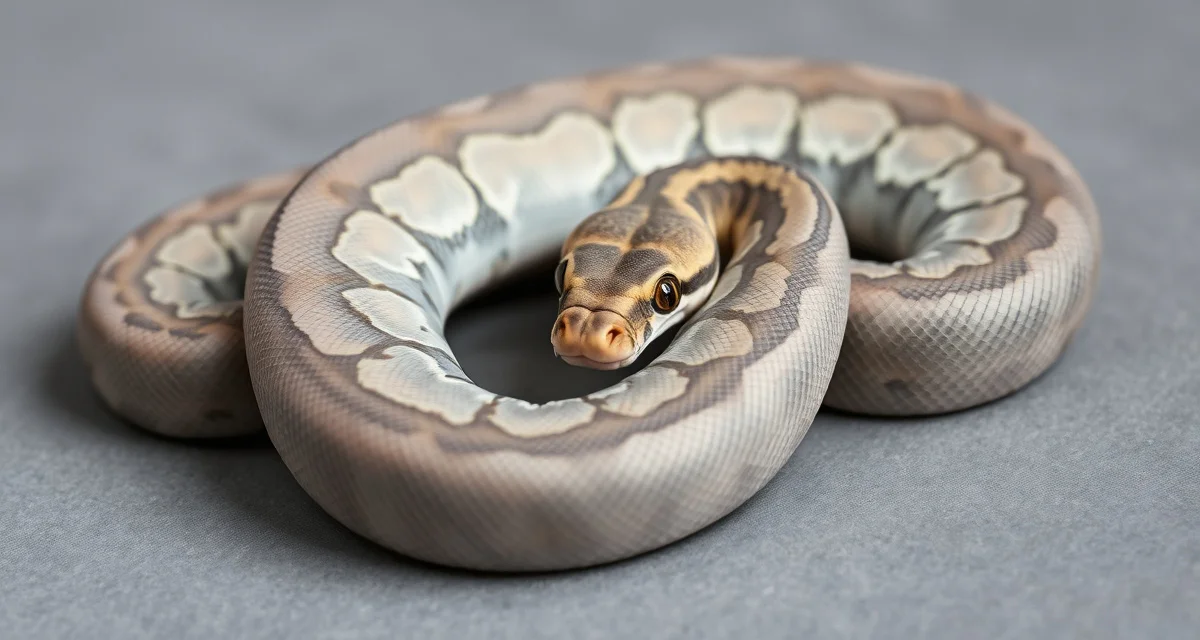
Axanthic is a simple recessive that reduces or eliminates yellow pigment (xanthin). Visual Axanthic ball pythons are gray, silver, brown-gray, and white, beautiful in a different way from the bright yellows and oranges that dominate the hobby.
From het Axanthic × het Axanthic:
- 25% visual Axanthic
- 50% het Axanthic
- 25% normal
From visual Axanthic × het Axanthic:
- 50% visual Axanthic
- 50% het Axanthic
From visual Axanthic × normal:
- 100% het Axanthic
Multiple Axanthic Lines: A Critical Detail
Unlike Clown or Pied (single discovery events), Axanthic has been discovered multiple times in separate animals, producing multiple genetically distinct lines:
- VPI Axanthic (the original and most widespread)
- TSK Axanthic
- SV Axanthic
- Marcus Bistin (MB) Axanthic
- JKR Axanthic
These lines are not interchangeable. A VPI het Axanthic bred to a TSK het Axanthic does not produce visual Axanthics, the different lines occupy different gene loci and complement (one animal can carry both without expressing either as visual). To produce a visual Axanthic, both genes must be from the same line.
This is one of the most important documentation details in all of ball python breeding. If you're working with Axanthic, you must know which line your animals carry. If the line is undocumented, you cannot reliably predict outcomes from het × het pairings with animals from potentially different lines.
Visual Identification
Visual Axanthics are gray, silver, and white with brown undertones. The normal pattern is preserved in structure but rendered in shades of gray rather than yellow and brown. Young Axanthics are often blue-gray with strong contrast; adults typically develop more brownish tones as some pigment expression shifts with age.
At hatch, visual Axanthics are identifiable by the absence of yellow/orange coloration. The pattern looks like a desaturated or grayscale version of a normal ball python.
Axanthic in Combos: The Silver Effect
The visual power of Axanthic in combos comes from what happens when you pair it with morphs that normally produce bright yellows:
Axanthic Pastel (Silver Bullet): Gray and white. The Pastel brightening effect is expressed in grays rather than yellows, a striking, unusual combination.
Axanthic Pied: White pied sections remain white; the patterned sections are gray and silver rather than yellow and brown.
Axanthic Spider (Ghost Spider): Gray patterning with spider webbing.
Axanthic Clown: Pattern disruption in gray tones. Collector-focused, high-value.
Tri-color / "Panda" Axanthic combos: When Axanthic is combined with Pied and additional co-dominants, the resulting animals can show striking black, white, and gray patterns.
Pricing
| Animal | Typical Market Price |
|---|---|
| 100% het Axanthic (VPI) male | $100-$200 |
| 100% het Axanthic (VPI) female | $200-$400 |
| Visual Axanthic (male) | $200-$400 |
| Visual Axanthic (female) | $400-$800 |
| Axanthic Pastel (male) | $250-$500 |
| Axanthic Pastel (female) | $500-$1,200 |
| Axanthic Pied (male) | $600-$1,200 |
| Axanthic Pied (female) | $1,500-$4,000 |
Breeding Considerations
Always document the line. VPI, TSK, SV, MB, JKR, this must appear in every animal's documentation. Selling a het Axanthic without line information is selling incomplete documentation, and buyers who plan to breed should know this.
Cross-line het animals: If you produce offspring from an animal you know is VPI × an animal of unknown Axanthic line, the offspring may be het for both, but they won't produce visual Axanthics unless bred back to the same line.
Aging and color change: Visual Axanthics often look their best at young ages when the gray tones are crisp and cool. Many adults develop warmer, browner tones. Photograph animals during their blue-gray prime (typically first two years) for best listing photos.
FAQ
What is the best approach to axanthic ball python morph?
The most important thing with Axanthic is documenting and working within a single line. VPI Axanthic is the most widespread and has the most available breeding partners in the market. Use Axanthic for combos with Pied and high-demand co-dominants to produce the "steel" or "silver" aesthetics that differentiate your production from standard yellow-and-orange morphs.
How do professional breeders handle axanthic ball python morph?
Professional Axanthic breeders are meticulous about line documentation. They maintain all animals in a consistent line (typically VPI) and clearly document line identity in all records and sale materials. They photograph animals at optimal ages for best listing appearance and target Axanthic Pied and Axanthic combos as their highest-value production goals.
What software helps manage axanthic ball python morph?
HatchLedger is purpose-built for reptile breeders, connecting animal records, breeding history, clutch outcomes, and financial tracking in one connected system. Unlike general spreadsheets or notes apps, it's designed around the specific workflow of an active breeding season -- from pairing records through hatchling inventory and sales documentation. Free for up to 20 animals.
Sources
- USARK (United States Association of Reptile Keepers)
- World of Ball Pythons (WoBP genetics reference database)
- Association of Reptilian and Amphibian Veterinarians (ARAV)
- MorphMarket (reptile industry marketplace data)
- Ball Python community genetics documentation
Get Started with HatchLedger
Tracking Axanthic genetics through multiple generations requires connected records that link parent morphs, clutch outcomes, and het status for every animal in your collection. HatchLedger's genetics engine handles this automatically, making buyer documentation accurate and complete. Try it free with up to 20 animals.