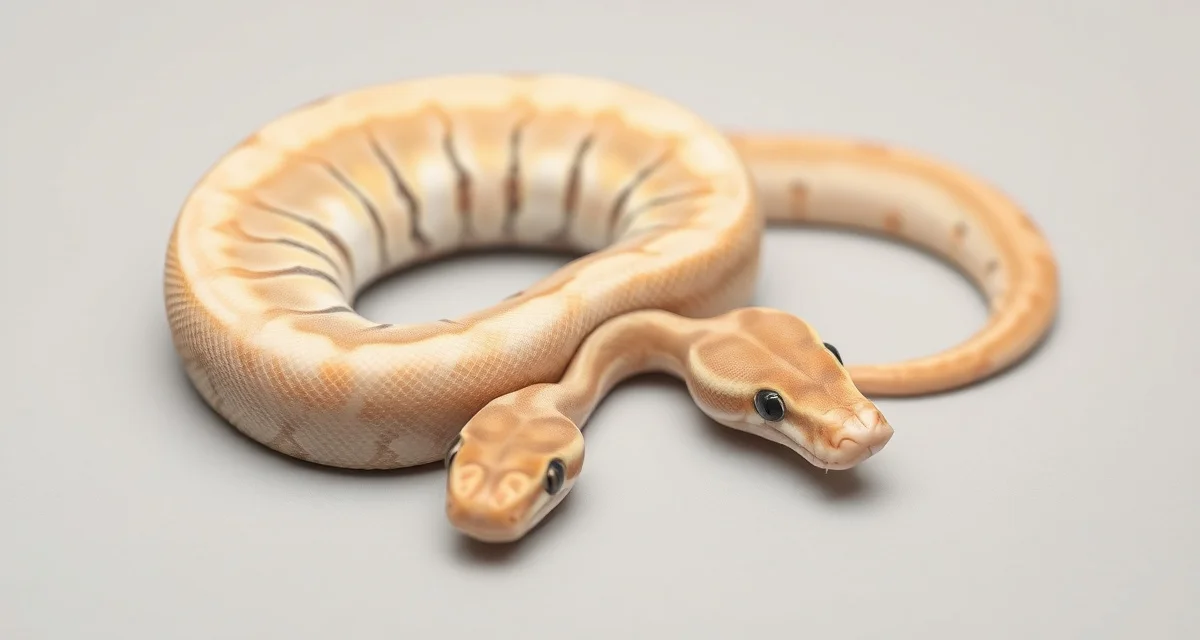
Bamboo Ball Python: Genetics, Breeding Outcomes and Pricing
Bamboo is a co-dominant morph that produces animals with reduced dark pigmentation and a lighter overall appearance, somewhat similar in concept to Ghost/Hypo but through different genetics. Bamboo ball pythons show a distinctive patterning with cleaner, lighter tones. It's a morph that stacks well with other genes and is particularly effective when combined with Pastel, Enchi, and recessive projects.
TL;DR
- The Bamboo morph is a documented genetic variant in ball pythons with established inheritance pattern and pricing history.
- Co-dominant morphs express visually in single copy and produce a distinct super form in double copy (with exceptions like Spider where the super is non-viable).
- Recessive morphs require two copies to be visually expressed; single-copy carriers (hets) look identical to normal ball pythons.
- Documented het claims backed by parentage records are worth significantly more at resale than unverified possible-het claims.
- Market prices for any given morph are heavily influenced by production volume, demand trends, and whether the morph stacks well with high-value genes.
Bamboo Genetics
Bamboo is co-dominant. One copy gives you the single-gene Bamboo phenotype. Two copies produce the Super Bamboo, which is a notably different-looking animal with more extreme reduction of dark pigment.
Single-Gene Bamboo Appearance
Bamboo animals show lighter base coloration than normals, the brown/black tones are reduced, producing a cleaner, more muted look. The alien-head pattern is typically visible but lighter. Some Bamboo animals develop a beautiful pale tan/cream base with reduced contrast. Retail for single-gene Bamboos: $100-$200.
Super Bamboo
Super Bamboo takes the pigment reduction much further, very light animals, approaching cream or off-white in some cases. They're unusual and commercially interesting. Retail: $300-$500.
Bamboo Combos
- Bamboo Pastel: brightening effect of Pastel over the reduced-pigment Bamboo base; retail $200-$400
- Bamboo Enchi: orange tones amplified against the lighter Bamboo base; retail $250-$450
- Bamboo Clown: recessive combo; retail $600-$1,100
- Bamboo Pied: white-based with pale Bamboo saddles; retail $500-$1,000
- Bamboo Axanthic: grey tones with Bamboo reduction; retail $400-$700
Breeding Bamboo Ball Pythons
Pairing Strategy
Bamboo x Bamboo for Super Bamboo production is the direct route. If you want to build recessives into your Bamboo lines, pair single-gene Bamboos to het recessive animals. A Bamboo het Clown paired with another het Clown gives you the chance at Bamboo Clown offspring.
Bamboo is a less common morph than Pastel or Enchi, which means Bamboo combos can command premium prices from buyers looking for less-saturated-market animals.
Season and Incubation
Standard ball python parameters: October-March season, 88-90°F, 88-100% humidity, 55-65 days. Log pairings and lock dates in HatchLedger. Bamboo females breed normally, no gene-specific considerations.
Hatchling ID
Bamboo hatchlings are often identifiable at hatch by their lighter coloration relative to normals. Compare side by side in mixed clutches. Super Bamboo is more dramatically different.
Pricing Bamboo Ball Pythons
| Animal | Retail Range |
|--------|-------------|
| Single-gene Bamboo (female) | $125-$225 |
| Single-gene Bamboo (male) | $100-$175 |
| Super Bamboo | $300-$500 |
| Bamboo Pastel | $200-$400 |
| Bamboo Enchi | $250-$450 |
| Bamboo Clown | $600-$1,100 |
| Bamboo Pied | $500-$1,000 |
FAQ
What is the best approach to Bamboo ball python genetics?
Bamboo is most effective as a combo-building gene rather than a standalone project. Single-gene Bamboos have moderate commercial value. The real opportunity is building Bamboo into recessive projects, Bamboo Clown and Bamboo Pied are distinctive-looking animals with a specific buyer market. The lighter, reduced-pigment aesthetic appeals to buyers who want something different from high-yellow or albino projects.
How do professional breeders handle Bamboo ball python projects?
Experienced breeders typically acquire a quality Bamboo female and pair her to their best males, often het recessive animals with other co-dom genes. The goal is to produce Bamboo combos while building recessive genetics into the Bamboo line. Super Bamboos are held back as breeders or sold at premium to buyers who specifically want the extreme phenotype.
Sources
- USARK (United States Association of Reptile Keepers)
- World of Ball Pythons (WoBP genetics reference database)
- Association of Reptilian and Amphibian Veterinarians (ARAV)
- MorphMarket (reptile industry marketplace data)
- Ball Python community genetics documentation
Get Started with HatchLedger
Tracking Bamboo genetics through multiple generations requires connected records that link parent morphs, clutch outcomes, and het status for every animal in your collection. HatchLedger's genetics engine handles this automatically, making buyer documentation accurate and complete. Try it free with up to 20 animals.