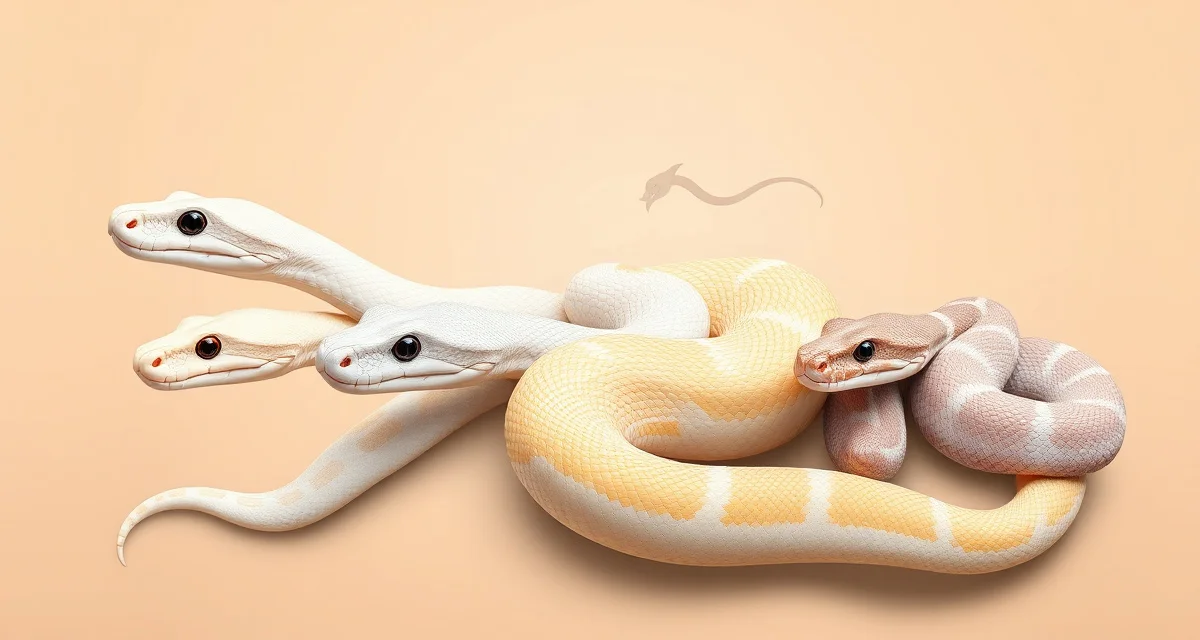
Hognose Snake Morph Genetics Overview: Complete Breeder Guide
By HatchLedger Editorial Team · Published 2025-06-16 · Updated Mar 13, 2026
Hognose snake morph genetics have developed rapidly over the past decade. Western hognose snakes (Heterodon nasicus) now have an extensive morph catalogue with dozens of established mutations, and the genetics governing these traits follow the same inheritance patterns found in other colubrid species. Understanding how these mutations combine is essential for running a morph-focused breeding program. Breeders using integrated software report 30% less time on administrative tasks, which frees up real mental energy for the genetic planning that produces desirable combos.
TL;DR
- Western hognose snakes (Heterodon nasicus) require 60-90 days of seasonal cycling at 50-60 degrees Fahrenheit for reliable breeding success.
- Females that skip cooling often fail to ovulate or produce infertile clutches, making brumation near-mandatory rather than optional.
- Clutch sizes average 8-18 eggs, with adult females commonly producing two clutches per season when managed well.
- Incubation runs 55-65 days at 82-84 degrees Fahrenheit with moderate humidity around 80-85%.
- Western hognose morphs include albino, axanthic, toffee, coral, and several combination lines with active development continuing.
The Core Mutations in Western Hognose
Recessive Mutations
The majority of popular western hognose morphs are simple recessive. Both parents must carry at least one copy of the gene for any offspring to express the trait visually.
Albino (Amelanistic): One of the earliest and most widely bred mutations. Albino western hognose snakes lack black and brown pigmentation, producing animals in yellow, orange, and white. Many popular combos involve albino.
Axanthic: Removes yellow and red pigmentation, producing grey and black animals. Axanthic western hognose snakes are striking on their own and combine well with other mutations.
Arctic: Similar visual effect to axanthic but a distinct gene. Breeders new to hognose morphs sometimes confuse these two when buying animals without documentation.
Toffeecino (Toffee): A recessive mutation producing warm tan and caramel tones. Highly valued in combination with other genes.
Coral: A recessive that intensifies red and orange pigmentation. Popular in combo projects.
Lavender: Produces animals with a distinct purplish-grey coloration. A relatively newer addition to the hognose morph catalogue.
Snow: Typically refers to the combination of albino and axanthic, producing white animals with minimal visible pattern. One of the most popular western hognose combos.
Dominant and Co-dominant Mutations
Western hognose snakes have fewer established dominant and co-dominant mutations than ball pythons or corn snakes, but several are well-documented.
Anaconda: A co-dominant mutation that reduces and disrupts the dorsal pattern. Super anacondas (homozygous) are distinct from single-copy animals. This is one of the most significant pattern-altering genes in western hognose.
Toxic: A co-dominant pattern mutation producing animals with disrupted, reduced patterning.
Caramel: Affects pigmentation intensity. The super form is distinct from single-copy.
Genetics Basics for Hognose Breeders
If you're new to working with recessive traits, the core principle is straightforward: two animals that visually express the same recessive mutation will produce 100% visual offspring for that trait. Two animals that each carry one copy (het animals) produce approximately 25% visuals, 50% hets, and 25% normals on average. A visual paired to a het produces approximately 50% visuals and 50% hets.
When combining two recessive mutations, the math compounds. Two single-gene het animals for both albino and axanthic, when paired, produce approximately 1 in 16 offspring expressing both traits (snow). This is why building het pairs and working methodically through recessive projects takes multiple seasons.
For co-dominant traits like anaconda, one copy of the gene visually affects the animal, and breeding a single-copy anaconda to a normal produces approximately 50% anacondas and 50% normals.
Genetic Pairings and Record Requirements
Morph genetics documentation is non-negotiable in a program producing valuable animals. Every animal in your collection needs a complete genetic record: what it visually expresses, what it's confirmed or possible het for, and which pairings produced it.
When you produce a clutch, the genetic outcomes connect to both parents' records. A hatchling's genetic makeup is determined at fertilization, but your documentation determines whether that genetic makeup can be proved to a buyer.
Log pairings with both parent IDs in HatchLedger's reptile breeder hub. As hatchlings produce, assign each one a unique ID and link it to its clutch and parent records. When a buyer asks for genetic documentation, you can produce it accurately from a connected record rather than reconstructing it from memory or disorganized notes.
Breeding Combos: Planning Across Multiple Seasons
Most interesting western hognose combos require multiple generations to produce. If you're trying to produce a triple recessive animal, you may be working across 3 to 5 seasons depending on how many animals in your breeding stock are hets versus visuals for each involved gene.
Map out your project plan before starting. Identify what you have, what each animal is het for, and what pairings will move you toward your target combo most efficiently. Update this plan each season as you produce animals and learn more about your stock's actual genetic makeup (particularly for possible hets that may or may not carry the gene).
Reptile breeder software comparison resources consistently identify genetic record-keeping as one of the highest-value use cases for purpose-built reptile breeder software. The alternative is maintaining a separate genetic spreadsheet that stays synchronized with your husbandry records manually, which works until it doesn't.
Pricing Combos Appropriately
Western hognose combo animals can command substantially higher prices than single-gene morphs. A snow (albino + axanthic) is worth more than either mutation alone. A snow anaconda is worth more than a snow. Understanding where each animal sits in this hierarchy, and pricing it based on documented genetics rather than appearance alone, is important for the financial health of your program.
Track what each hatchling's genetic makeup is at the time you assign its ID. When it's ready for sale, the price you set should reflect its documented genetic value. Animals sold without genetic documentation consistently sell for less than equivalent animals with complete records, regardless of how they look.
Frequently Asked Questions
What is the best approach to hognose snake morph genetics overview?
Learn the distinction between recessive and co-dominant inheritance before building your pairing plan. Maintain complete records for every animal's visual traits and het status. Document which pairings produced which animals so you can accurately represent genetics to buyers. For multi-gene recessive projects, map out your path to the target combo before committing to purchases. Work with animals that have documented breeding history rather than possible hets with no proof when you can.
How do professional breeders handle hognose snake morph genetics overview?
Professional western hognose morph breeders maintain precise records connecting every animal's genetic makeup to its parentage. They don't sell animals as het for a trait they can't document. They plan multi-season combo projects with a realistic timeline. They price animals according to documented genetic value and can produce that documentation quickly when buyers ask. Their pairing decisions are made from their full collection records, not from trying to remember which animals carry which genes.
What software helps manage hognose snake morph genetics overview?
HatchLedger logs cooling start and end dates, temperature records, post-cooling feeding resumption, and all pairing sessions for each hognose breeding animal. These records connect to clutch outcomes when females lay, allowing you to compare your seasonal protocol to breeding results across multiple seasons. Free for up to 20 animals.
Can western hognose snakes double-clutch?
Yes, double-clutching is common and reliable in well-conditioned western hognose females. The first clutch is typically laid in April or May, and if the female feeds aggressively through June, a second clutch often follows in July or August. Tracking body condition through the season tells you whether a female is ready for a second clutch.
Why do some hognose females play dead during introductions?
Death-feigning (thanatosis) is a well-known hognose defensive behavior and can occur during breeding introductions. Most females habituate to handling over time and reduce this response. Experienced males are generally persistent through the female's initial responses. Keeping introduction sessions calm and minimally disturbing helps.
What is Hognose Snake Morph Genetics Overview: Complete Breeder Guide?
This is a comprehensive reference guide for western hognose snake (Heterodon nasicus) breeders covering morph genetics, inheritance patterns, and combination breeding strategies. It explains how recessive, dominant, and co-dominant mutations work, catalogues established morphs like albino, axanthic, toffee, and coral, and provides practical guidance on brumation, clutch management, and incubation. The guide helps breeders plan pairings more confidently and understand how mutations combine to produce desirable offspring.
How much does Hognose Snake Morph Genetics Overview: Complete Breeder Guide cost?
The guide is freely available editorial content published on HatchLedger. There is no purchase price or subscription required to read it. HatchLedger also offers breeding management software that can reduce administrative time by around 30%, freeing breeders to focus on genetic planning. Any software pricing would be listed separately on the platform, but the genetics overview article itself is provided at no cost.
How does Hognose Snake Morph Genetics Overview: Complete Breeder Guide work?
The guide works by walking breeders through the genetic inheritance rules that govern hognose morph expression, then applying those rules to real morph examples. Readers learn how recessive mutations require two copies to express, how to predict clutch outcomes using probability, how brumation triggers reliable ovulation, and how incubation parameters affect hatch rates. It functions as both an educational primer and a practical planning reference for active breeding programs.
What are the benefits of Hognose Snake Morph Genetics Overview: Complete Breeder Guide?
The guide gives breeders a clearer framework for predicting clutch outcomes, reducing costly pairing mistakes, and identifying which combination morphs are achievable with their current collection. Understanding inheritance patterns helps breeders set realistic expectations, price animals accurately, and plan multi-season projects. It also explains brumation and incubation protocols that directly improve hatch rates, making it useful for both genetic planning and day-to-day husbandry decisions.
Who needs Hognose Snake Morph Genetics Overview: Complete Breeder Guide?
This guide is aimed at western hognose breeders at any experience level who want to work with morphs intentionally rather than by chance. Beginners benefit from the foundational genetics explanations, while intermediate and advanced breeders will find the combination morph breakdowns and brumation protocols useful for scaling production. Anyone running a morph-focused program, managing multiple pairings per season, or planning multi-generation projects will get the most value from it.
How long does Hognose Snake Morph Genetics Overview: Complete Breeder Guide take?
Reading the guide takes roughly 15-30 minutes depending on depth of engagement. Applying the concepts is an ongoing process tied to natural breeding timelines: brumation runs 60-90 days, incubation takes 55-65 days at 82-84°F, and adult females can produce two clutches per season when managed well. From cooling initiation to final hatch, a full western hognose breeding season typically spans five to seven months.
Related Articles
Sources
- USARK (United States Association of Reptile Keepers)
- Association of Reptilian and Amphibian Veterinarians (ARAV)
- Society for the Study of Amphibians and Reptiles (SSAR)
- Herpetological Review
- Great Plains Wildlife Management
Get Started with HatchLedger
Western hognose breeding with multiple morphs and double-clutching females benefits from connected records that link cooling dates, pairing introductions, and per-clutch outcomes. HatchLedger tracks all of it and lets you compare seasonal protocols against results over multiple years. Free for up to 20 animals.