Milk Snake Morph Genetics Overview: Complete Breeder Guide
By HatchLedger Editorial Team · Published 2025-01-21 · Updated Mar 13, 2026
Milk snake morph genetics span multiple subspecies with different morph histories and market development levels. Some subspecies like the Honduran milk snake have well-documented morphs with established markets. Others are primarily worked in normal phase with fewer genetic mutations documented. Understanding what morphs exist in your subspecies, how they inherit, and how to document genetic status accurately is essential for building a credible breeding program. Breeders using integrated software report 30% less time on administrative tasks, freeing time for the genetic research and documentation that supports premium pricing.
TL;DR
- Milk snakes span dozens of recognized subspecies of Lampropeltis triangulum and related species, each with distinct care and breeding requirements.
- Most milk snake subspecies require 60-90 days of seasonal cycling at 50-55 degrees Fahrenheit for reliable breeding.
- Clutch sizes range from 4-18 eggs depending on subspecies, with Honduran milk snakes averaging toward the larger end.
- Incubation runs 55-70 days at 78-82 degrees Fahrenheit with moderate humidity.
- Honduran milk snakes have an active morph program with albino, hypo, and tri-color tangerine lines among the established variants.
Honduran Milk Snake Morphs
Honduran milk snakes (Lampropeltis hondurensis) have one of the more developed morph markets among milk snake subspecies.
Albino (Tangerine Albino)
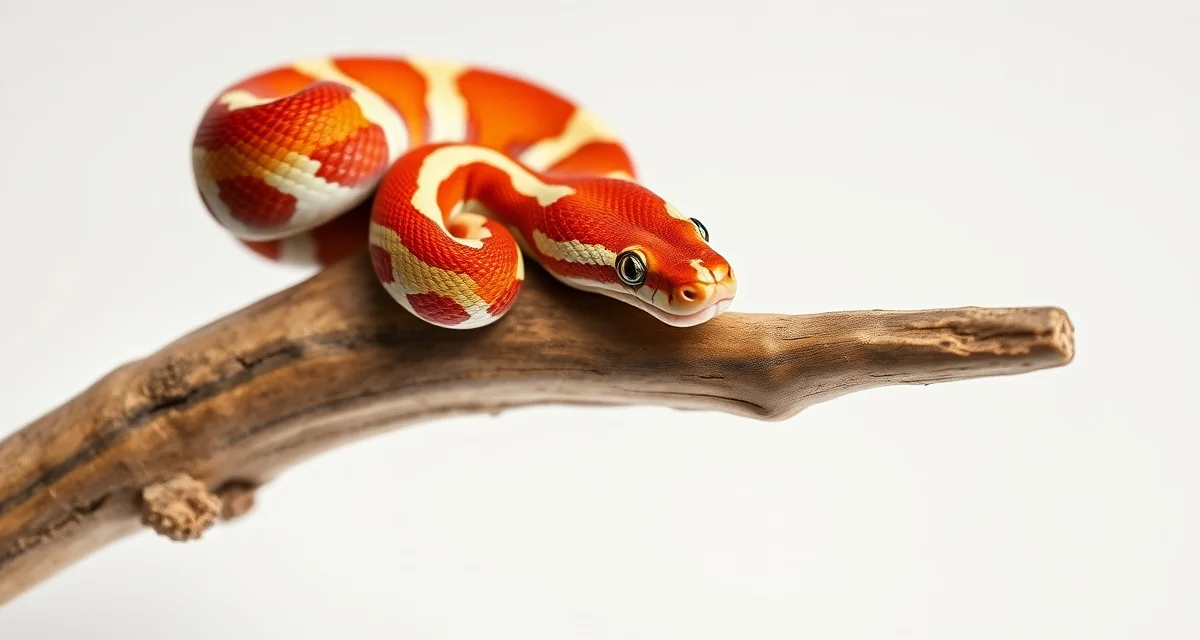
The most widely traded Honduran milk snake morph, albinos lack black pigmentation and display brilliant orange, yellow, and white banding. Inheritance is simple recessive: two copies needed for visual expression, one copy produces a normal-looking het.
Albinos from documented lines sell at significant premiums over normal-phase Hondurans. Het animals from proven pairings command prices above possible hets.
Hypo (Hypomelanistic)
Hypo reduces black pigmentation without eliminating it, producing animals with more orange and less black in their pattern. Several hypo lines exist in Honduran milk snakes. Inheritance is typically recessive.
Anery (Anerythristic)
Removes red and orange pigmentation, producing black and white banded animals. Recessive inheritance. Combined with albino (producing "snow" animals), anery Hondurans are striking and command premium prices.
Sinaloan and Nelson's Milk Snake Morphs
These subspecies have fewer documented mutations than Hondurans but have growing morph markets. Albino variants have been produced. Most animals trade in normal phase with value based on coloration quality and documentation.
Eastern, Pueblan, and Other Subspecies
These subspecies are generally worked in normal phase by most breeders. Their value comes from subspecies purity documentation and quality coloration, rather than genetic mutations. Locality purity and documented bloodlines are the main pricing levers.
Documentation Standards for Milk Snake Genetics
For recessive morphs, the same documentation standards that apply to ball pythons and corn snakes apply here:
- Visual: Two copies of the mutant gene, clearly expressing the trait
- Confirmed het: Known parentage confirms one copy of the gene
- Possible het: Produced from a pairing where some offspring would be het; specific percentage applies based on expected ratios
- Normal: No copies (or unproven)
Be precise in listings. Calling an animal "het albino" without specifying "confirmed" versus "possible" misrepresents the genetic status. Buyers in the milk snake community are knowledgeable about these distinctions.
Track genetic status for every animal in your collection in HatchLedger's reptile breeder hub. When you produce a clutch, update individual hatchling records with their visual and probable genetic status based on parentage.
Reptile breeder software comparison resources consistently find that breeders with documented, searchable genetic records sell animals at higher average prices and with fewer post-sale disputes.
Frequently Asked Questions
What is the best approach to milk snake morph genetics overview?
Learn the documented morphs for your specific subspecies and their inheritance patterns before planning pairings. Document genetic status accurately for every animal using the confirmed/possible/visual framework. Be precise in sale listings and don't represent possible hets as confirmed. Build multi-generational records for your project animals. For subspecies where morphs are less developed, focus on documentation of subspecies purity and bloodline quality, which are the value drivers in those markets.
How do professional breeders handle milk snake morph genetics overview?
Professional milk snake breeders maintain accurate genetic records for every animal in their collection, plan pairings based on documented genetics, and are transparent about het certainty in sale listings. They don't upgrade possible hets without evidence. They participate in subspecies-specific communities where morph genetics are discussed and validated. Their documentation standards build buyer trust that supports premium pricing over time.
What software helps manage milk snake morph genetics overview?
HatchLedger is purpose-built for reptile breeders, connecting animal records, breeding history, clutch outcomes, and financial tracking in one system. Unlike generic spreadsheets, it's designed around the specific workflow of an active breeding season. Free for up to 20 animals.
What is the most commonly bred milk snake subspecies?
Honduran milk snakes (L. t. hondurensis) are the most widely bred milk snake subspecies due to their larger size, active morph development, and established keeper base. Nelson's milk snakes and Sinaloan milk snakes are also commonly bred. Scarlet kingsnakes have a smaller but dedicated keeper community.
How do you tell apart milk snake subspecies?
Subspecies identification relies on coloration pattern (band count and width), scale counts, and geographic origin. For captive-bred animals, documentation from the original breeder is the most reliable source. Hybridization between subspecies does occur and reduces the value and documentation reliability of offspring.
What is Milk Snake Morph Genetics Overview: Complete Breeder Guide?
The Milk Snake Morph Genetics Overview: Complete Breeder Guide is a comprehensive reference covering genetic mutations, inheritance patterns, and morph documentation across milk snake subspecies. It details established variants like albino and hypo Hondurans, explains how recessive and co-dominant traits work in Lampropeltis triangulum, and provides practical guidance for building a credible breeding program. The guide helps breeders understand subspecies-specific morph histories, market development levels, and how accurate genetic records support premium pricing.
How much does Milk Snake Morph Genetics Overview: Complete Breeder Guide cost?
The guide is free editorial content published on HatchLedger. There is no purchase required to read the article. HatchLedger provides breeder-focused resources at no cost, with optional software tools available separately for breeders who want to streamline genetic tracking, clutch records, and administrative tasks associated with running a professional reptile breeding operation.
How does Milk Snake Morph Genetics Overview: Complete Breeder Guide work?
The guide works by breaking milk snake genetics into digestible sections organized by subspecies. It covers inheritance mechanics—recessive, co-dominant, and line-bred traits—alongside practical breeding parameters like cycling temperatures, clutch sizes, and incubation conditions. Breeders can cross-reference morph combination outcomes, understand how to document genetic status accurately, and apply that knowledge directly to pairing decisions and animal listings.
What are the benefits of Milk Snake Morph Genetics Overview: Complete Breeder Guide?
Key benefits include a clearer understanding of which morphs exist within specific subspecies, how to predict offspring outcomes from genetic pairings, and how to document lineage credibly for buyers. Breeders gain confidence pricing animals based on verified genetic status rather than guesswork. The guide also highlights how organized record-keeping—supported by tools like HatchLedger—reduces administrative time by around 30%, leaving more time for selective breeding work.
Who needs Milk Snake Morph Genetics Overview: Complete Breeder Guide?
This guide is intended for hobbyist and professional milk snake breeders at any experience level. Beginners benefit from foundational genetics explanations and species-specific care parameters. Experienced breeders will find the subspecies morph breakdowns and documentation strategies useful for scaling operations or entering new lines. Anyone working with Honduran milk snakes, eastern milk snakes, or related Lampropeltis subspecies and wanting to improve genetic accuracy will find it relevant.
How long does Milk Snake Morph Genetics Overview: Complete Breeder Guide take?
Reading the guide takes approximately 10-15 minutes. Applying its principles—establishing breeding cycles, documenting genetic pairings, and producing your first clutch—follows natural reptile timelines: 60-90 days of seasonal cycling, followed by breeding, then 55-70 days of incubation. Building a fully documented morph breeding program with reliable genetic records typically spans one to several seasons depending on the traits and subspecies you are working with.
Related Articles
- Burmese Python Morph Genetics Overview: Complete Breeder Guide
- Carpet Python Morph Genetics Overview: Complete Breeder Guide
Sources
- USARK (United States Association of Reptile Keepers)
- Association of Reptilian and Amphibian Veterinarians (ARAV)
- Herpetologica (Herpetologists League)
- Society for the Study of Amphibians and Reptiles (SSAR)
- Reptiles Magazine (Bowtie Inc.)
Get Started with HatchLedger
Milk snake breeders working across subspecies and morph lines benefit from records that track lineage clearly and connect cooling protocols to seasonal clutch outcomes. HatchLedger keeps this information organized and searchable across your entire collection. Free for up to 20 animals.