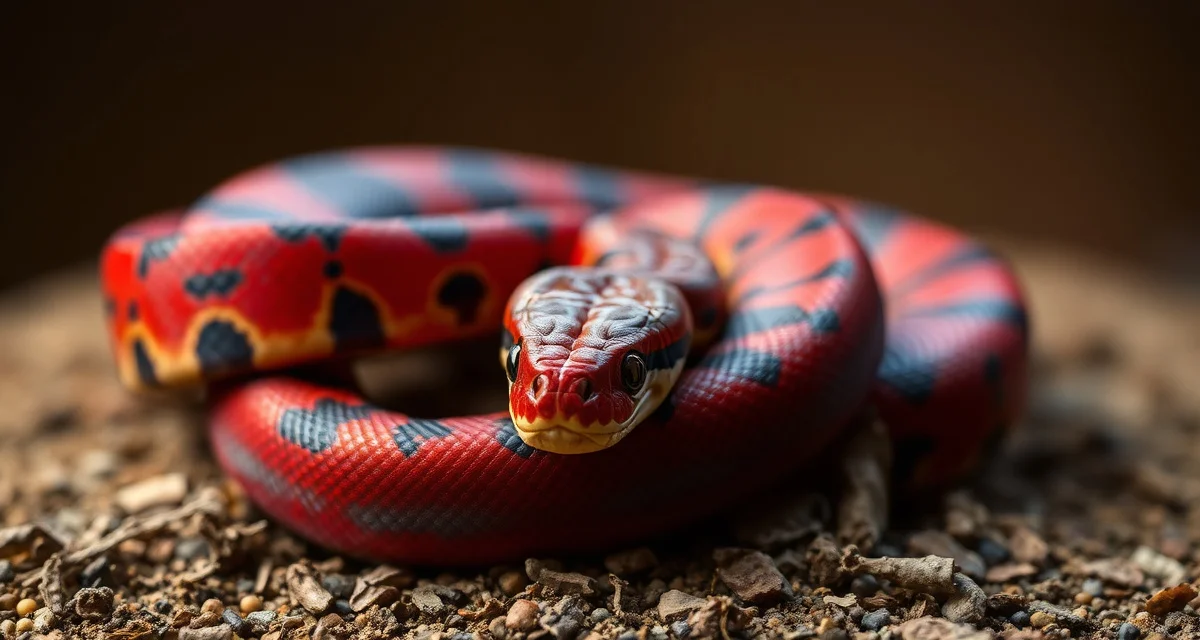
Blood Python Morph Genetics Overview: Complete Breeder Guide
Blood python morph genetics have developed significantly over the past decade, driven by the species' increasingly mainstream appeal and the commercial investment of a growing number of dedicated breeders. The morph market is smaller than ball pythons but the available mutations are diverse enough to support serious genetic projects. Breeders using integrated software report 30% less time on administrative tasks, important when blood python morph projects unfold over multiple breeding seasons.
TL;DR
- Blood python morphs include T+ albino, T- albino, Ivory, Genetic Stripe, and Caramel, all recessive mutations requiring documented het status to make credible genetic claims.
- T+ and T- albino are non-allelic, meaning animals can carry both alleles simultaneously, opening combination project possibilities.
- Python brongersmai, P. curtus, and P. breitensteini are distinct species, morphs developed in one do not automatically transfer genetically to another.
- The blood python morph community is smaller and more interconnected than ball pythons, so misrepresented genetics damage your reputation faster and more permanently.
- Proven het status requires documented breeding outcomes or credible seller lineage, "possible het" animals from het x het pairings must be represented accurately.
- Tracking species, subspecies, and morph genetics at the individual animal level is essential for multi-season projects where outcomes span years.
Core Blood Python Morphs
T+ Albino (Tyrosinase-Positive Albino): One of the most commercially significant blood python morphs. T+ albinos retain some tyrosinase activity, producing a reduced-melanin appearance with red, orange, and yellow tones rather than the pure white-and-yellow of a T- albino. T+ albino blood pythons are striking animals with intense color. Recessive inheritance.
T- Albino (Tyrosinase-Negative Albino): A separate albino line that eliminates tyrosinase activity entirely, producing animals with a lighter, more washed-out appearance than T+ animals. Recessive. The two albino types are non-allelic and can be combined to produce animals carrying both alleles.
Ivory (Matrix): A recessive mutation that produces a nearly patternless, pale yellow to white appearance. Ivory blood pythons are dramatically different from wild-type animals. One of the most striking single-gene blood python morphs available.
Brongersmai Genetic Stripe: A pattern mutation that disrupts the normal blotched dorsal pattern, creating a connected stripe or reduced pattern appearance. Inheritance mode varies by line.
Caramel: Produces a warm caramel and golden coloration with reduced dark pigmentation. Recessive.
Species Note: Brongersmai vs. Curtus vs. Breitensteini
Blood pythons (Python brongersmai) are the primary "blood python" of the US captive market and have the most developed morph scene. The related short-tailed pythons -- Python curtus (Borneo short-tail) and Python breitensteini (Borneo blood python) -- are separate species with their own emerging morph markets but different genetic backgrounds. Morphs developed in one species don't automatically work the same way when attempted in another species.
Knowing your specific species and subspecies matters for genetic claims. A "blood python albino" bred from documented P. brongersmai stock has different genetic implications than an albino from an unknown or mixed species background. Breeders managing multi-species reptile collections should maintain separate genetic records for each species to avoid conflation errors.
Tracking Blood Python Genetics Accurately
Blood python genetics documentation follows the same principles as any other recessive morph species. Proven het status requires documented evidence (from breeding outcomes or credible lineage from the seller). Possible het animals from het x het pairings should be clearly represented as such.
Because the blood python morph market is smaller and more specialized than ball pythons, the community is more connected and reputation damage from misrepresented genetics travels faster. Accurate, conservative genetic claims are better for your long-term reputation than inflated claims that can't be proven. Breeders who invest in reptile breeder record-keeping software are better positioned to produce the documented lineage buyers in specialized markets expect.
HatchLedger tracks morph genetics alongside species/subspecies identification for each animal in your collection, ensuring accurate records at the individual level.
HatchLedger connects genetic records to clutch outcomes and financial performance. For breeders running multi-season morph combination projects, this connected data makes it easier to evaluate which pairings are producing expected genetic ratios and which need reassessment.
Frequently Asked Questions
What is the best approach to blood python morph genetics documentation?
Know your species -- distinguish between P. brongersmai, P. curtus, and P. breitensteini and don't conflate their morph genetics. For recessive mutations, document het status with the same rigor you'd apply to any other species: proven het requires breeding evidence or credible lineage. Be conservative with genetic claims, particularly for "possible het" animals from pairings where outcomes aren't definitively proven. Track specific genetic lines for morphs like albino where multiple lines may exist with different characteristics.
How do professional breeders handle blood python morph genetics records?
Professional blood python breeders maintain precise species and genetic records because the specialized community notices inaccuracies quickly. They verify species identification for acquired animals, document het status with supporting lineage, and test-breed where claims need verification. They also track which morph combination projects are producing the best financial returns relative to the multi-season investment they require.
What software helps manage blood python morph genetics records?
HatchLedger tracks species, subspecies, morph status, and lineage information for each animal. Clutch records link parent genetics to offspring outcomes so you can track whether genetic projects are producing expected results. Over multiple seasons, the connected records show you which combinations are working and which aren't performing as planned.
Can T+ and T- albino blood pythons be visually distinguished from each other?
Yes, in most cases. T+ albinos typically retain warmer, more saturated coloration with visible red and orange tones because some tyrosinase activity remains. T- albinos tend to appear lighter and more washed out overall. However, visual identification alone is not a substitute for documented lineage, particularly when purchasing animals for breeding projects where genetic accuracy matters.
How long does it typically take to prove out a blood python recessive morph project?
Blood pythons reach sexual maturity more slowly than ball pythons, and females may not produce reliable clutches until four to six years of age. A single recessive project pairing het x het animals may require two or more clutch seasons before you produce enough offspring to statistically confirm genetic outcomes. This multi-year timeline makes accurate record-keeping from the start of a project especially important.
Are blood python morphs priced differently than ball python morphs at the same genetic complexity?
Generally yes. Because the blood python market is smaller and the breeding population is more limited, recessive morphs and combination animals often command higher prices relative to equivalent genetic complexity in ball pythons. Market pricing is also more sensitive to the reputation of the breeder and the quality of genetic documentation, which reinforces the value of maintaining thorough records for every animal and clutch.
Sources
- Reptile & Amphibian Magazine, Reptile & Amphibian Magazine Publications
- United States Association of Reptile Keepers (USARK), Policy and Husbandry Resources
- World of Ball Pythons Genetics Reference, World of Ball Pythons (morph genetics documentation applicable to recessive inheritance principles across Python species)
- The Reptile Report, Industry News and Breeder Community Coverage
- Herpetological Review, Society for the Study of Amphibians and Reptiles
Get Started with HatchLedger
Blood python morph projects span multiple breeding seasons and involve species-level distinctions that generic record-keeping tools weren't built to handle. HatchLedger gives you animal-level genetic records tied directly to clutch outcomes and financial performance, so your documentation holds up whether you're selling proven hets or presenting multi-season project results to serious buyers. Start your free trial and bring the same precision to your records that you bring to your pairings.