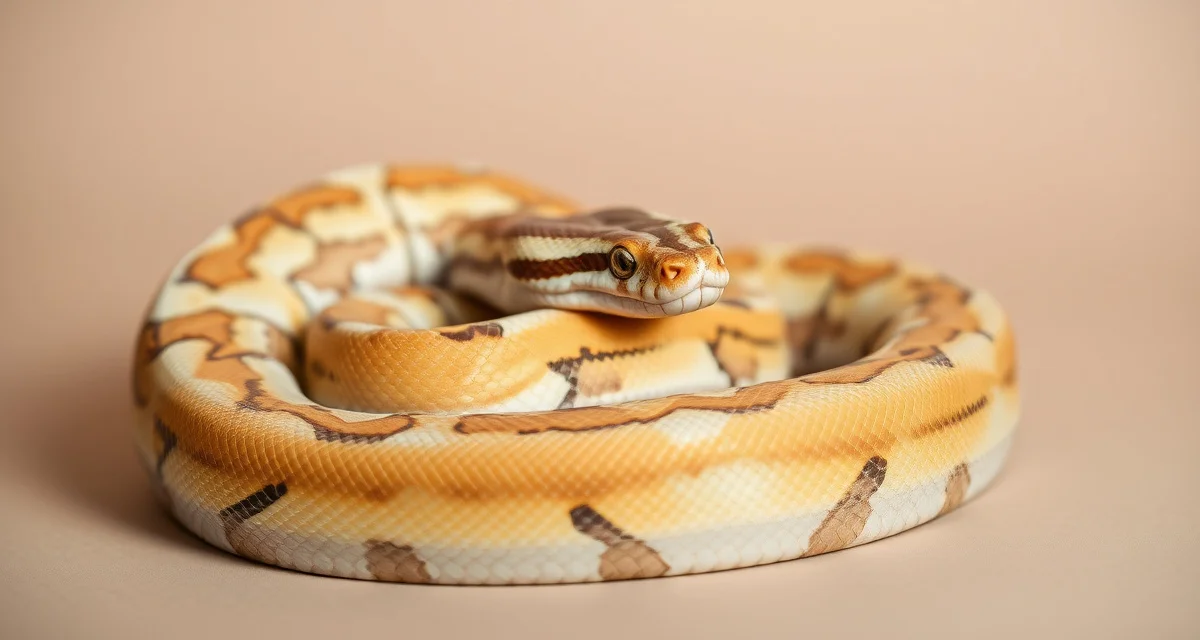
Burmese Python Morph Genetics Overview: Complete Breeder Guide
Burmese python morph genetics represent a mature but still active segment of the large constrictor market. The morph landscape is significantly smaller than ball pythons, but the genetics that do exist -- albino, green, labyrinth, granite, and a few others -- produce striking combinations that command serious premiums. Breeders using integrated software report 30% less time on administrative tasks, which matters when you're running multi-year morph projects in animals that may not breed annually.
TL;DR
- Burmese pythons (Python bivittatus) are among the largest constrictors in captivity, with breeding females commonly exceeding 100-200 lbs.
- Clutch sizes average 25-50 eggs, making Burmese pythons among the most productive large constrictors in captive breeding.
- Cycling typically involves a 4-8 week period of reduced temperatures (dropping 8-12 degrees Fahrenheit) and reduced feeding frequency.
- Incubation parameters runs 60-65 days at 88-90 degrees Fahrenheit, with females capable of thermoregulating eggs by muscular shivering.
- Compliance requirements requirements for Burmese python ownership and interstate transport vary by state, with federal protections under the Lacey Act applying in some jurisdictions.
Understanding the genetics of established Burmese morphs, how they combine, and how to track them across multi-year breeding programs is the foundation of a serious Burmese morph operation.
Core Burmese Python Morphs
Albino (Lavender Albino) -- Recessive. The Burmese albino is one of the most visually dramatic python morphs in the hobby. Animals lack most melanin, producing a white-and-lavender ground color with yellow pattern markings. The albino mutation has been combined with green and labyrinth to produce some of the most valuable Burmese morph animals available.
Green -- Recessive. Green Burmese pythons show a uniformly reduced dark pigmentation, producing an overall lighter appearance with a notable green or olive cast to the coloration. When combined with albino, the result is a Green Albino with distinct coloration from standard albino.
Labyrinth -- Recessive. Named for the maze-like pattern disruption it creates. Labyrinth animals show highly irregular, broken-up dorsal pattern elements that create a labyrinthine appearance. Very visually distinctive and much sought after in the market.
Granite -- Recessive. Produces a stippled, granular pattern appearance with reduced pattern clarity. Less commercially prominent than albino or labyrinth but used in combination projects.
Caramel Albino -- A separate albino line with distinct coloration from the lavender albino, producing caramel and yellow tones rather than lavender-white. These two albino lines are allelic and do not produce visual albinos when crossed (inter-allelic relationship).
Inheritance and Combination Projects
All of the primary Burmese morphs are recessive, meaning two copies of the mutation are required to produce a visual. This creates a long road to visual combination animals. A Green Albino Labyrinth Burmese requires years of breeding through the triple-het phase before you can produce visual triple-combination animals.
The inter-allelic relationship between lavender and caramel albino lines is important to understand. If you cross a lavender albino with a caramel albino, you don't produce visual albinos -- you produce het animals carrying one copy of each allele. Only pairing het lavender x het lavender or het caramel x het caramel produces visual albinos in the respective lines.
Genetic verification is critical when purchasing het animals from other breeders. Unlike ball python morphs where there are many breeders with consistent lines, Burmese morph lines are more geographically and genealogically traceable. Knowing the lineage of your het animals protects you from genetic surprises.
The Long Timeline of Burmese Morph Projects
Burmese pythons don't breed until 3-4 years of age at minimum, and they breed once per year. Proving out a new recessive takes longer than in ball pythons or boas. A breeding project that requires combining three recessive traits may span 8-12 years from acquiring the foundation animals to producing visual triple combinations.
This long timeline means good record keeping is essential. The breeding pair records, het status documentation, and clutch outcomes from 6 years ago directly inform what you're working with today. Without accurate historical records, it's very easy to lose track of which animals in your collection carry which traits.
Track genetic information for every animal with the same precision as your husbandry records. When you produce a clutch from two hets, every neonate's possible genetic status should be documented at birth even though you can't visually distinguish visuals from het carriers from non-carriers in most recessive projects.
HatchLedger lets you track morph genetics as part of each animal's core record, maintaining lineage information and genetic status through multiple breeding generations.
HatchLedger connects genetic records to financial performance so you can evaluate the long-term return on your Burmese morph projects.
Frequently Asked Questions
What is the best approach to Burmese python morph genetics?
Know which mutation type each of your morphs represents: recessive, co-dominant, or dominant. Understand the inter-allelic relationships between albino lines to avoid combining incompatible lines. Track precise genetic status (visual, proven het, possible het) for every animal in your collection, with documentation of the lineage that supports those claims. Verify genetics on purchased animals where possible. Be patient -- Burmese morph projects play out over years, and the records you keep today are the foundation for decisions you'll make in five years.
How do professional breeders handle Burmese python morph genetics tracking?
Professionals maintain detailed lineage records for every morph animal and her offspring. They document clutch outcomes against genetic predictions, which allows them to verify their genetic lines are producing expected results over time. When discrepancies appear -- unexpected visuals or failure to produce expected visuals at the expected rate -- their records let them investigate whether a genetic assumption was wrong. They also price their animals accurately, distinguishing between 100% het, possible het, and visual animals with documentation that supports those claims.
What software helps manage Burmese python morph genetics records?
HatchLedger tracks every animal, clutch, and sale record for Burmese python breeders, with documentation that supports regulatory compliance and buyer confidence. When managing large clutches and compliance requirements simultaneously, a connected system prevents the record-keeping gaps that create problems at sale. Free for up to 20 animals.
Are Burmese pythons legal to own and breed in all US states?
No. Burmese pythons are listed as an injurious species under the Lacey Act, which restricts interstate transport. Several states have additional bans on ownership entirely. Check current state and federal regulations before acquiring or transporting animals. USARK maintains updated resources on applicable regulations.
How large should a Burmese python enclosure be for a breeding pair?
Breeding females typically require enclosures of at least 8x4 feet and often larger for full-grown adults. Dedicated breeding rooms or custom builds are standard at scale. Thermal gradient with hot spots at 88-92 degrees Fahrenheit and ambient temperatures in the mid-70s allows proper thermoregulation.
Sources
- USARK (United States Association of Reptile Keepers)
- Association of Reptilian and Amphibian Veterinarians (ARAV)
- US Fish and Wildlife Service (Injurious Wildlife regulations)
- Journal of Herpetology (Society for the Study of Amphibians and Reptiles)
- Florida Fish and Wildlife Conservation Commission
Get Started with HatchLedger
Burmese python breeding involves large animals, large clutches, and compliance documentation that is difficult to manage without a dedicated system. HatchLedger tracks every animal, clutch, and sale record in one place, giving you the documentation you need for regulatory compliance and buyer confidence. Try it free with up to 20 animals.