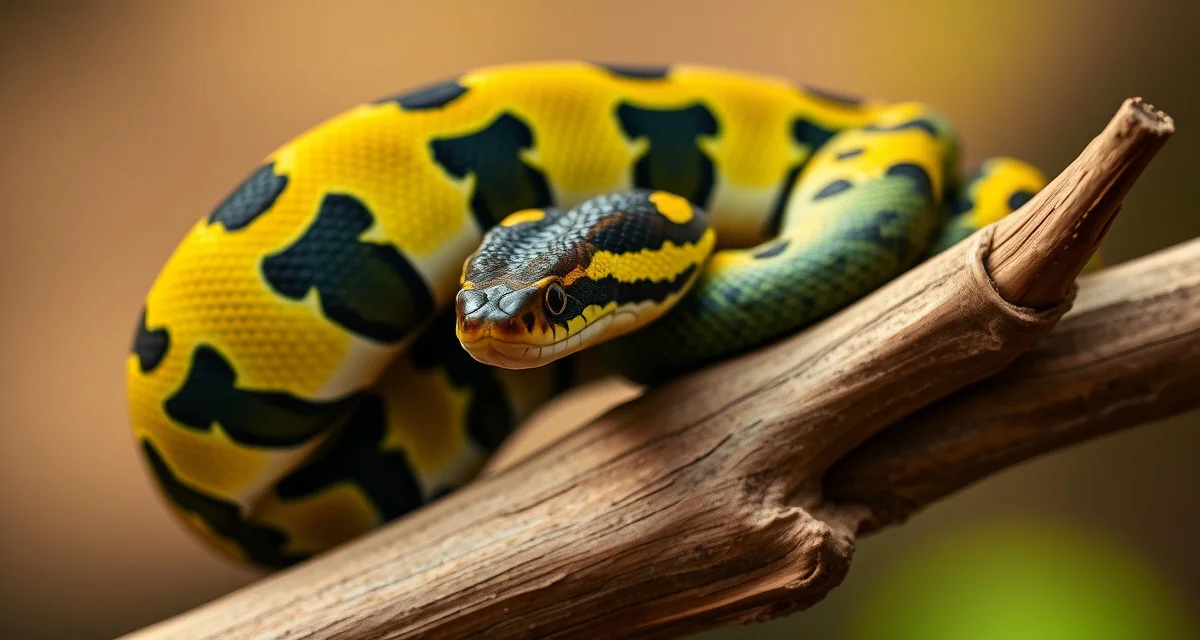
Carpet Python Common Breeding Issues: Complete Breeder Guide
By HatchLedger Editorial Team · Published 2025-02-26 · Updated Mar 13, 2026
Carpet python breeding produces its own set of characteristic challenges. The species' pronounced cycling requirements, the occasionally difficult temperament of gravid females, and the neonates' notorious reluctance to feed create failure points that breeders need to anticipate. Breeders using integrated software report 30% less time on administrative tasks, which gives you more capacity to troubleshoot problems systematically rather than reactively.
TL;DR
- Carpet pythons (Morelia spilota) encompass multiple recognized subspecies genetics overview including coastal, jungle, diamond, and Irian Jaya, each with distinct breeding triggers.
- Most carpet python subspecies require a 2-3 month seasonal cycling period with temperatures dropping 10-15 degrees Fahrenheit to trigger reliable ovulation.
- Average clutch size recordss range from 10-20 eggs, with large female diamond carpets sometimes producing 25 or more.
- Incubation typically runs 55-65 days at 84-88 degrees Fahrenheit, slightly lower than ball python targets.
- Subspecies identification in your records matters: crossing subspecies produces offspring of uncertain market value and documentation becomes complex.
Most carpet python breeding issues fall into one of three phases: cycling and pairing failures, incubation problems, or hatchling feeding challenges. Understanding the common failure modes in each phase helps you implement preventive measures before they become season-ending problems.
Cycling and Pairing Failures
Male shows no interest. The most common cause is inadequate cycling. A male that hasn't been properly cooled often won't show reliable breeding behavior. Verify your cycling temperatures actually reached the target range (68-74F ambient) and were maintained for at least 3-4 weeks. If the male was properly cycled, he may be immature (carpet pythons should be at least 2-3 years old and at appropriate body weight before breeding).
Female shows defensive behavior and won't allow male access. Some carpet python females are very defensive during the breeding period, particularly during initial introductions. Remove the male immediately and try again in 3-5 days. Some females respond better to introductions in the early morning when temperatures are lower. Occasional non-receptive pairings are normal; if a female consistently refuses all introductions through the entire season, she may not be in breeding condition.
No ovulation observed. If you have confirmed copulation events but no visible ovulation, the female may not have been in a fully receptive reproductive state. This can happen with animals that were not adequately cycled or that are not in prime breeding condition. Review your cycling protocol and female body condition for next season.
Incubation Problems
High slug rate. Review pairing records for confirmed copulation events. If copulation wasn't directly observed, the high slug rate may reflect unsuccessful pairings rather than male fertility issues. If copulation was confirmed, evaluate whether the male is producing consistent problems across multiple females (male fertility issue) or if this is isolated to one female.
Mold on eggs. Mold growth in the incubation container indicates either excessive humidity, contamination from a slug or dead egg that wasn't removed promptly, or inadequate ventilation. Remove molded substrate carefully and check adjacent eggs for spread. Surface mold on otherwise healthy eggs may not indicate failure -- carefully clean affected eggs with a dry cloth and monitor.
Temperature spike. Thermostat failures during incubation can produce temperature spikes that kill embryos. Use a thermostat with a reliability track record, install a backup probe or alarm, and check incubation temperatures at least daily.
Hatchling Feeding Challenges
Carpet python hatchlings have a well-deserved reputation as difficult feeders. This is the most common post-hatch challenge breeders face. The standard approach is systematic troubleshooting: F/T first, then braining, then fresh-killed, then paper bag method, then scenting, then supervised live as a last resort.
Animals that have been through all of these approaches over 4-6 weeks without a single meal need veterinary evaluation. Some chronic non-feeders have underlying health issues (parasites, cryptosporidiosis, respiratory infections) that prevent feeding response.
Document every attempt so you can demonstrate to a vet the full history of interventions you've tried. This helps the vet assess the situation faster and propose the right next steps.
HatchLedger lets you log breeding complications directly against the animals and pairings involved, creating a record that informs future decisions.
HatchLedger tracks breeding outcomes and financial performance so you can identify which parts of your carpet python program are working and which need adjustment.
Frequently Asked Questions
What is the best approach to troubleshooting carpet python breeding issues?
Start with systematic diagnosis. For cycling/pairing failures: verify actual temperatures during cycling and check male and female body condition. For incubation problems: review temperature logs and check whether humidity was appropriate. For hatchling feeding failures: work through a documented troubleshooting progression and log every attempt. Maintain records at every stage so when problems occur, you have the data needed to identify the cause rather than guessing.
How do professional breeders handle carpet python breeding problems?
Professional carpet python breeders document every aspect of their breeding season so that problems can be diagnosed with data rather than guesswork. They track cycling temperatures, confirmed copulation events, incubation conditions, and every hatchling feeding attempt. When a season produces unexpected results, their records show where the process deviated from normal. Over multiple seasons, patterns emerge -- a particular male that consistently produces high slug rates, a specific female that never cycles reliably -- that inform breeding decisions.
What software helps manage carpet python breeding issue tracking?
HatchLedger is purpose-built for reptile breeders, connecting animal records, breeding history, clutch outcomes, and financial tracking in one system. Unlike generic spreadsheets, it's designed around the specific workflow of an active breeding season. Free for up to 20 animals.
How do carpet python subspecies differ in breeding requirements?
Irian Jaya carpet pythons are among the most forgiving of the subspecies and often respond to minimal cycling. Jungle carpets and coastal carpets benefit from more pronounced temperature drops. Diamond carpet pythons from cooler Australian habitats may require the most aggressive cooling protocol of all the subspecies to achieve reliable ovulation.
Can carpet pythons from different subspecies be crossed?
Technically yes, but the practice is controversial. Many buyers specifically seek pure-subspecies animals, and crossing reduces the value and marketability of offspring. Maintaining clear subspecies documentation in your records is important whether you keep them pure or not.
What is Carpet Python Common Breeding Issues: Complete Breeder Guide?
This guide is a comprehensive resource for reptile breeders working with carpet pythons (Morelia spilota). It covers the most common challenges encountered across the full breeding cycle, including seasonal cycling requirements, gravid female management, egg incubation, and neonate feeding refusal. It also addresses subspecies-specific considerations for coastal, jungle, diamond, and Irian Jaya variants, helping breeders anticipate failure points before they become costly problems.
How much does Carpet Python Common Breeding Issues: Complete Breeder Guide cost?
This is a free educational guide published on HatchLedger. There is no cost to access it. HatchLedger provides breeding resources to help reptile keepers manage their collections more effectively, and the article is available to any breeder looking to improve their carpet python breeding outcomes without any subscription or purchase required.
How does Carpet Python Common Breeding Issues: Complete Breeder Guide work?
The guide walks breeders through the three main phases where carpet python breeding commonly fails: cycling, egg production, and neonate care. It explains how to trigger ovulation through a 2-3 month cooling period with temperature drops of 10-15°F, how to manage incubation at 84-88°F for 55-65 days, and how to approach the feeding challenges that carpet python neonates are known for.
What are the benefits of Carpet Python Common Breeding Issues: Complete Breeder Guide?
Using this guide helps breeders reduce reactive troubleshooting by understanding common failure points in advance. Breeders who pair structured knowledge with breeding management software report up to 30% less time on administrative tasks. The guide also helps with subspecies record-keeping, which protects the market value of offspring and simplifies documentation when crossing bloodlines is a concern.
Who needs Carpet Python Common Breeding Issues: Complete Breeder Guide?
This guide is written for intermediate to experienced reptile breeders working with carpet python subspecies, including coastal, jungle, diamond, and Irian Jaya morphs. It is especially useful for breeders transitioning from other python species who underestimate carpet python cycling needs, or those struggling with recurring issues like failed ovulation, small clutch sizes, or neonates that refuse to feed after hatching.
How long does Carpet Python Common Breeding Issues: Complete Breeder Guide take?
Reading the guide itself takes under 30 minutes, but the breeding process it describes spans several months. Seasonal cycling alone requires 2-3 months, followed by ovulation, egg laying, and a 55-65 day incubation period. From the start of cooling to the first neonate feeding response, breeders should expect a full breeding season to run approximately 6-9 months depending on the subspecies and individual female.
Related Articles
- Reticulated Python Common Breeding Issues: Complete Breeder Guide
- Blood Python Common Health Issues: Complete Breeder Guide
- Boa Constrictor Common Breeding Issues: Complete Breeder Guide
- Burmese Python Common Health Issues: Complete Breeder Guide
Sources
- USARK (United States Association of Reptile Keepers)
- Association of Reptilian and Amphibian Veterinarians (ARAV)
- Australian Journal of Zoology
- Herpetofauna (Australian Herpetological Society)
- The Herpetoculture of Morelia (published reference)
Get Started with HatchLedger
Carpet python breeding across multiple subspecies means tracking distinct protocols per animal and maintaining subspecies lineage documentation that buyers increasingly expect. HatchLedger connects animal records, breeding history, and clutch documentation in one system. Try it free with up to 20 animals.