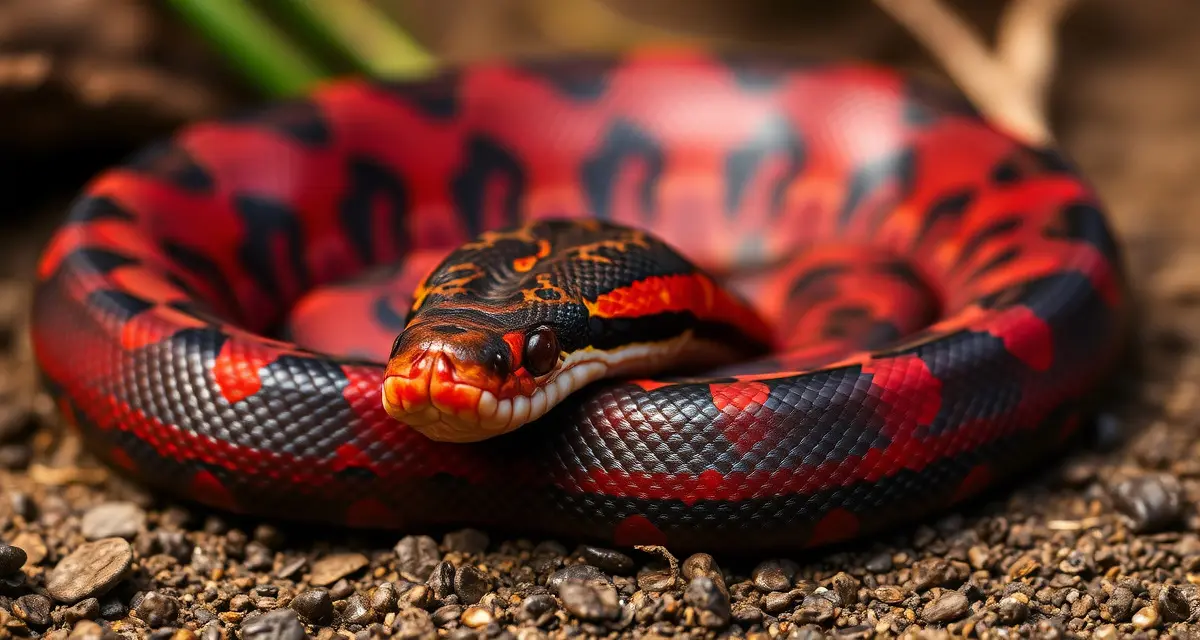
Blood Python Common Breeding Issues: Complete Breeder Guide
By HatchLedger Editorial Team · Published 2025-05-06 · Updated Mar 13, 2026
Blood python breeding presents a specific set of challenges that differ from other commonly bred pythons. The species' defensive temperament makes pairing management more complex, and the animals' metabolic tendencies create health risks that affect breeding outcomes when not carefully managed. Breeders using integrated software report 30% less time on administrative tasks, which is time needed for the attentive observation that blood python breeding requires.
TL;DR
- Blood python females often become noticeably calmer during their receptive period, this temperament shift is one of the most reliable indicators that a pairing introduction will succeed.
- Slug rates above 20-25% per clutch warrant investigation, starting with whether copulation was actually observed or only assumed.
- Obesity is a leading cause of reproductive failure in blood pythons; lean, well-muscled females consistently produce better clutch outcomes than heavy animals.
- Dystocia (egg retention) requires prompt veterinary intervention, oxytocin injections or surgery may be necessary if a female hasn't produced a clutch within the expected post-shed window.
- Documenting confirmed copulation events, female weight trends, and temperament changes throughout the season is essential for diagnosing problems when they occur.
- Male fertility should be tested against a second female before assuming a high slug rate is a female-side issue.
Female Aggression During Pairings
Blood python females are frequently defensive, and breeding introductions can be complicated by female aggression toward males. A female that's not in breeding condition will often strike at an introduced male -- this is normal rejection behavior and the introduction should be ended and reattempted in 3-5 days.
The challenge is distinguishing between a female that's rejecting an introduction because she's not receptive versus one that's in breeding condition but is simply a defensive animal that needs more careful introduction management. Watch for the behavioral shift that occurs in receptive blood python females: animals that normally strike readily often become notably calmer and more tolerant during their receptive period. This temperament shift is one of the most reliable indicators that the timing is right.
If a female consistently rejects all introductions over many weeks despite appearing properly cycled, verify your blood python cycling protocol, check male condition, and ensure the female is at appropriate body condition for breeding.
High Slug Rates
Blood python clutches with slug rates above 20-25% are worth investigating. The most common causes are:
- No confirmed copulation (cohabitation assumed to be breeding)
- Male fertility issues
- Female nutritional or health problems
- Temperature stress during follicle development
Review your pairing records for actual observed copulation versus assumed. Blood pythons don't always breed readily even when housed together, and the stakes of assuming breeding occurred when it didn't show up in an entire season's wasted effort.
If you have confirmed copulation but high slug rates, evaluate male fertility by testing him against another female. If all females produce high slug rates from the same male, the problem is male-specific.
Obesity-Related Breeding Failures
Blood pythons are prone to obesity, and obese females have impaired reproductive function. A female that carries excessive fat deposits may fail to develop viable follicles or produce smaller clutches with higher slug rates. This is a management problem rather than a genetic one.
Monitor female weight and body condition scoring closely throughout the year. If a breeding female is gaining weight steadily despite normal feeding, reduce feeding frequency. Blood pythons don't need to be fed as frequently as their food-drive sometimes suggests.
Obese blood pythons are also at elevated risk for health complications during and after breeding -- metabolic disease, heart issues, and prolonged recovery from the physical demands of gestation. Lean, well-muscled females consistently outperform heavy animals in breeding productivity.
Egg Retention (Dystocia)
Some blood python females retain part or all of a clutch. Signs include a female that's clearly been through the reproductive cycle (visible follicle development, ovulation, pre-lay shed) but hasn't produced a clutch within the expected timeframe post-shed. Retained eggs can sometimes be palpated through the female's body as distinct, firm masses.
Dystocia requires veterinary intervention. Oxytocin injections may be used to stimulate laying. Surgical intervention may be necessary if eggs have been retained too long or are causing serious complications.
HatchLedger logs breeding complications against the animals and pairings involved, providing data for future decision-making.
HatchLedger connects breeding outcomes to financial records so the impact of problem seasons is visible in your breeding program profit and loss tracking.
Frequently Asked Questions
What is the best approach to troubleshooting blood python breeding issues?
Work through each failure point systematically. For pairing failures: verify cycling was adequate, check for confirmed copulation, and monitor for the female's receptivity behavioral shift. For high slug rates: review whether copulation was confirmed, evaluate male fertility, and check female condition and nutrition. For obesity-related issues: reduce feeding frequency and monitor weight. For dystocia: seek veterinary help promptly -- retained eggs that aren't addressed quickly become a serious emergency.
How do professional breeders handle blood python breeding problems?
Professionals document every aspect of their blood python breeding season specifically because this species produces subtle breeding cues that are easy to miss without careful observation. They track female temperament changes during the cycling period, note confirmed versus assumed copulation, and monitor female weight throughout the year. When problems occur, their records provide the context needed for systematic diagnosis rather than guesswork.
What software helps manage blood python breeding issue tracking?
HatchLedger logs all breeding events and complications against the animals involved. Pairing observations, slug rates, and health events all become part of the permanent record. When evaluating whether to continue a specific female in your breeding program, her complete breeding history is available for review.
How long after a blood python's pre-lay shed should I expect eggs to be laid?
Blood pythons typically lay their clutch within 30-45 days after the pre-lay shed, though this window can vary by individual. If a female has passed the 45-day mark with no clutch and you can palpate firm masses along her body, contact a reptile-experienced veterinarian promptly. Waiting too long to seek help significantly reduces the chances of a successful outcome for both the female and any viable eggs.
Can a blood python female recover and breed successfully again after dystocia?
Many females do breed successfully in subsequent seasons after a dystocia event, provided the underlying cause is addressed and the female receives adequate recovery time. A female that experienced dystocia due to obesity, for example, can often return to productive breeding once her weight is managed appropriately. However, females with a history of repeated dystocia should be evaluated carefully before being reintroduced to a breeding program, as some individuals have structural or recurring health factors that make future complications likely.
At what age and weight should a blood python female first be introduced to breeding?
Most experienced breeders wait until a female is at least 3-4 years old and has reached a weight of 2,000-2,500 grams before introducing her to breeding. Breeding females that are too young or undersized increases the risk of dystocia, poor clutch viability, and long-term reproductive health problems. Prioritizing size and condition over age alone is generally the more reliable standard, since individual growth rates vary considerably.
What is Blood Python Common Breeding Issues: Complete Breeder Guide?
Blood Python Common Breeding Issues: Complete Breeder Guide is a comprehensive resource covering the unique challenges of breeding blood pythons (Python curtus). It addresses temperament management during pairing, high slug rates, obesity-related reproductive failure, dystocia, and record-keeping best practices. The guide helps breeders understand species-specific behaviors—like the temperament shift that signals female receptivity—and provides actionable protocols to improve clutch success rates and animal health outcomes.
How much does Blood Python Common Breeding Issues: Complete Breeder Guide cost?
This guide is free editorial content published on HatchLedger. There is no purchase required to access the breeding information. HatchLedger offers reptile breeding management software with a free tier and paid plans for breeders who want to track copulation events, female weight trends, clutch outcomes, and health records—the kind of documentation the guide identifies as essential for diagnosing breeding problems.
How does Blood Python Common Breeding Issues: Complete Breeder Guide work?
The guide works by walking breeders through the most common blood python breeding failures in a logical sequence: identifying receptivity signals, confirming actual copulation rather than assuming it, managing female body condition to prevent obesity-related failures, recognizing dystocia early, and maintaining detailed records. Each section connects observable animal behavior or measurable data points to specific interventions, giving breeders a diagnostic framework rather than generic advice.
What are the benefits of Blood Python Common Breeding Issues: Complete Breeder Guide?
Key benefits include learning to distinguish reliable receptivity indicators specific to blood pythons, understanding why slug rates above 20–25% warrant investigation, and knowing when dystocia requires urgent veterinary care. Breeders also gain a record-keeping framework—tracking weight trends, temperament changes, and confirmed copulations—that directly improves diagnostic accuracy season over season and reduces guesswork when clutch outcomes fall short of expectations.
Who needs Blood Python Common Breeding Issues: Complete Breeder Guide?
This guide is intended for blood python breeders at any experience level, but it is especially valuable for those transitioning from other python species. Because blood pythons have a more defensive temperament and a stronger metabolic tendency toward obesity than species like ball pythons, breeders without species-specific knowledge often misread behavioral cues or underprepare for reproductive health risks. Hobbyists scaling up to multi-clutch seasons will find the record-keeping and body condition guidance particularly practical.
Related Articles
Sources
- Association of Reptilian and Amphibian Veterinarians (ARAV)
- Reptiles Magazine, BowTie Inc. (industry publication covering python husbandry and breeding)
- University of Florida IFAS Extension, Department of Wildlife Ecology and Conservation
- United States Association of Reptile Keepers (USARK)
Get Started with HatchLedger
Blood python breeding demands close observation and detailed records across every stage of the season, from cycling and pairing introductions through clutch production and post-lay female recovery. HatchLedger gives you a permanent, organized record of every pairing, copulation event, slug rate, weight entry, and health complication tied directly to the animals involved, so when problems arise you have real data to work from rather than memory. Start your free trial and see how much clearer your breeding program looks when every detail is in one place.