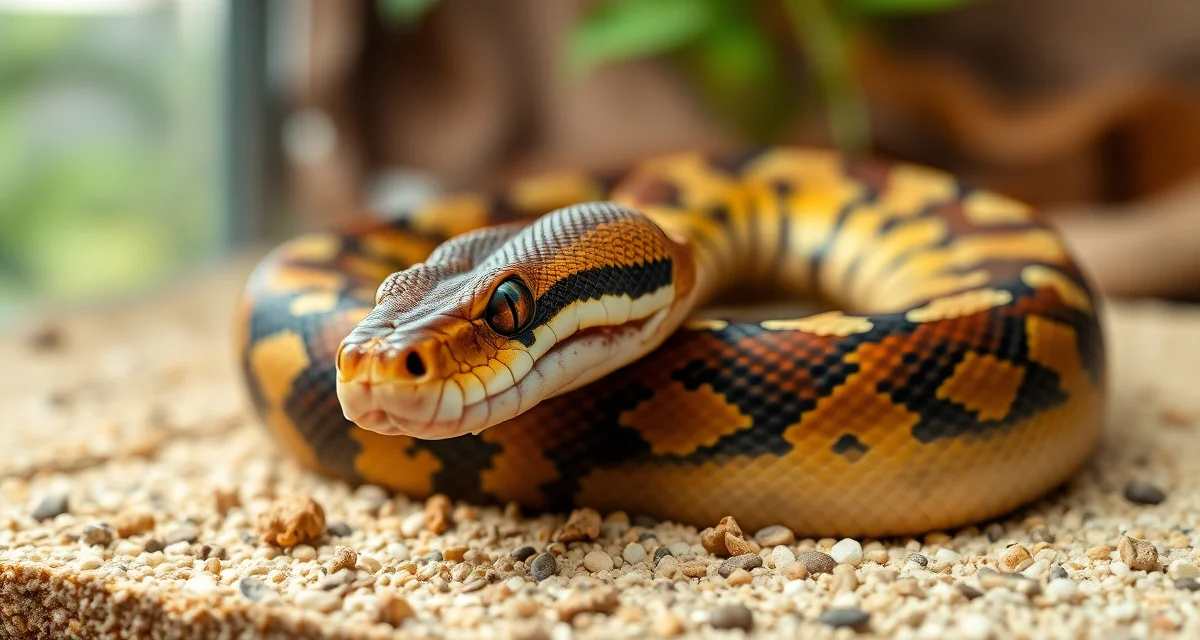
Burmese Python Common Health Issues: Complete Breeder Guide
By HatchLedger Editorial Team · Published 2025-05-31 · Updated Mar 13, 2026
Burmese pythons are generally hardy animals when properly kept, but they're not immune to health problems. The sheer size of the animals means that health issues often require professional veterinary intervention rather than simple husbandry corrections. Breeders using integrated software report 30% less time on administrative tasks, which frees up attention for the consistent observation that catches health problems while they're still manageable.
TL;DR
- Burmese pythons (Python bivittatus) are among the largest constrictors in captivity, with breeding females commonly exceeding 100-200 lbs.
- Clutch sizes average 25-50 eggs, making Burmese pythons among the most productive large constrictors in captive breeding.
- Cycling typically involves a 4-8 week period of reduced temperatures (dropping 8-12 degrees Fahrenheit) and reduced feeding frequency.
- Incubation parameters runs 60-65 days at 88-90 degrees Fahrenheit, with females capable of thermoregulating eggs by muscular shivering.
- Compliance requirements requirements for Burmese python ownership and interstate transport vary by state, with federal protections under the Lacey Act applying in some jurisdictions.
In a breeding program, health problems in a single animal can affect an entire season's productivity. A female who develops a respiratory infection in November may not be in condition to breed until February, missing much of the ideal pairing window. Early detection and prompt treatment aren't just good animal welfare practices -- they're essential for keeping your program on track.
Respiratory Infections
Respiratory infections are common in large constrictors kept at temperatures below their requirements. Signs include wheezing, audible breathing sounds, mucus from the mouth or nares, open-mouth breathing, and reduced activity. Early-stage respiratory infections in Burmese pythons may respond to correcting temperatures if the issue is purely a husbandry problem.
Established respiratory infections -- particularly those caused by bacteria like Pseudomonas, Aeromonas, or Salmonella -- require veterinary diagnosis and appropriate antibiotic treatment. Culture and sensitivity testing guides treatment choice. Giving an antibiotic that the infecting bacteria is resistant to wastes time and allows the infection to progress.
Prevention: Maintain appropriate temperatures consistently. Provide adequate ventilation without direct drafts. Avoid sudden large temperature drops outside of intentional cycling periods.
Inclusion Body Disease (IBD)
IBD affects pythons as well as boas and is caused by an arenavirus. In Burmese pythons, neurological symptoms are the hallmark: stargazing (head tilted abnormally upward), inability to right itself when placed upside down, abnormal body coiling, and progressive weakness. Some animals also develop respiratory signs or regurgitation.
There's no cure for IBD, and diagnosis in living animals is possible through blood testing that a reptile vet can guide you toward. Animals strongly suspected of having IBD should be isolated immediately and handled with complete separate biosecurity. The decision about what to do with a confirmed IBD-positive animal is a serious one that should involve veterinary input.
Prevention requires strict quarantine for all new animals, aggressive mite control, and separate equipment for different collection areas.
Stomatitis (Mouth Rot)
Stomatitis, commonly called mouth rot, involves bacterial infection of the oral tissues. In Burmese pythons, it typically presents as swelling of the gum tissue, a caseous (cheese-like) yellow-white discharge at the gum line or around the teeth, and redness or discoloration of the mouth lining. Mild cases are often first noticed when the snake opens its mouth for a feeding response and the mouth lining looks abnormal.
Early stomatitis can sometimes be managed with antiseptic oral rinses and improved husbandry. More advanced cases require veterinary treatment -- systemic antibiotics and potentially removal of affected tissue under sedation.
Log any observations of abnormal mouth appearance. What looks like mild discoloration one week can progress rapidly to a more serious infection if not addressed.
Mites and External Parasites
Snake mites in Burmese pythons follow the same pattern as in other species -- visible tiny dark specks on the skin, excessive soaking, and skin irritation. Treatment requires addressing both the animal and the enclosure environment. Because Burmese python enclosures are so large, thorough treatment is more labor-intensive than for smaller species.
Remove the animal during treatment and do a complete deep clean of the enclosure, including all hides, water dishes, and substrate. Treat with an appropriate product per your vet's recommendation. Treat all animals in the affected area simultaneously to prevent reinfestation.
Internal Parasites
Annual fecal exams are standard practice for breeding Burmese pythons. Animals with any wild-caught ancestry in their lineage are particularly at risk for roundworms, ascarids, and other parasites. Even captive-bred animals can acquire parasites from prey items if the prey source isn't clean.
Parasitized animals lose weight, show poor feeding response, and are more susceptible to secondary infections. Treatment with appropriate medications under veterinary guidance is usually effective if the infestation isn't severe.
HatchLedger tracks all health events, veterinary visits, and treatment outcomes for each animal. This history is invaluable when you're investigating a recurring health issue or providing context to a new veterinarian.
HatchLedger connects veterinary costs to each animal's P&L record so the true cost of maintaining animals with significant health histories is visible in your financial data.
Frequently Asked Questions
What is the best approach to Burmese python health issue prevention?
Maintain appropriate temperatures and ventilation consistently. Enforce strict quarantine for all new animals. Control mites aggressively, as they're vectors for IBD. Conduct annual fecal exams for breeding animals. Inspect mouths regularly during feeding interactions and note any abnormalities. Keep health records for every animal so you and your vet have context when problems arise. Build a working relationship with a reptile-experienced veterinarian before you have an emergency.
How do professional breeders handle Burmese python health problems?
Professional Burmese breeders catch health problems early because they observe animals consistently and have a clear sense of what normal looks like for each individual. When something changes -- feeding response, behavior, appearance -- they investigate promptly rather than waiting to see if it resolves. Their health records provide context for rapid diagnosis and show whether an issue is isolated or part of a pattern. They also evaluate health costs per animal to ensure that animals requiring ongoing significant veterinary attention are generating returns that justify that investment.
What software helps manage Burmese python health records?
HatchLedger tracks every animal, clutch, and sale record for Burmese python breeders, with documentation that supports regulatory compliance and buyer confidence. When managing large clutches and compliance requirements simultaneously, a connected system prevents the record-keeping gaps that create problems at sale. Free for up to 20 animals.
Are Burmese pythons legal to own and breed in all US states?
No. Burmese pythons are listed as an injurious species under the Lacey Act, which restricts interstate transport. Several states have additional bans on ownership entirely. Check current state and federal regulations before acquiring or transporting animals. USARK maintains updated resources on applicable regulations.
How large should a Burmese python enclosure be for a breeding pair?
Breeding females typically require enclosures of at least 8x4 feet and often larger for full-grown adults. Dedicated breeding rooms or custom builds are standard at scale. Thermal gradient with hot spots at 88-92 degrees Fahrenheit and ambient temperatures in the mid-70s allows proper thermoregulation.
What is Burmese Python Common Health Issues: Complete Breeder Guide?
The Burmese Python Common Health Issues: Complete Breeder Guide is a comprehensive resource for reptile breeders covering the most prevalent health conditions affecting Python bivittatus in captivity. It addresses respiratory infections, inclusion body disease, mites, parasites, and obesity-related complications common in large constrictors. The guide integrates husbandry best practices with early detection strategies, helping breeders distinguish routine behavior from warning signs that require veterinary intervention.
How much does Burmese Python Common Health Issues: Complete Breeder Guide cost?
The guide is free educational content available on HatchLedger. There is no purchase required to access the article. HatchLedger does offer breeding management software with subscription plans that complement the guide by helping breeders track health records, feeding logs, and enclosure conditions — reducing administrative overhead so more time can be dedicated to hands-on animal observation and care.
How does Burmese Python Common Health Issues: Complete Breeder Guide work?
The guide works by walking breeders through each major health category affecting Burmese pythons — from infectious diseases to environmental stressors. It explains clinical signs to watch for, likely causes, and recommended responses including when to contact a reptile-experienced veterinarian. Because Burmese pythons are large animals, the guide emphasizes that many conditions require professional treatment rather than husbandry corrections alone.
What are the benefits of Burmese Python Common Health Issues: Complete Breeder Guide?
Using this guide helps breeders catch health issues early when they are most treatable, reducing mortality and veterinary costs over time. Early detection is especially valuable in breeding programs where one sick animal can affect an entire collection. The guide also supports better record-keeping habits, and breeders who pair it with integrated software report up to 30% less time spent on administrative tasks.
Who needs Burmese Python Common Health Issues: Complete Breeder Guide?
This guide is written for serious Burmese python breeders managing breeding-scale collections, as well as experienced keepers working with large constrictors for the first time. It is particularly relevant for anyone producing clutches averaging 25-50 eggs, where health management across multiple animals simultaneously is a real operational challenge. Compliance-conscious breeders navigating Lacey Act requirements will also find the regulatory context useful.
How long does Burmese Python Common Health Issues: Complete Breeder Guide take?
Reading the guide itself takes approximately 15-20 minutes. Implementing the health monitoring practices described is an ongoing commitment throughout the breeding season and beyond. Cycling alone spans 4-8 weeks, incubation runs 60-65 days, and post-hatch juvenile monitoring adds additional time. Consistent observation habits, rather than one-time review, are what the guide is ultimately designed to build in long-term breeding programs.
Related Articles
- Reticulated Python Common Health Issues: Complete Breeder Guide
- Blood Python Common Breeding Issues: Complete Breeder Guide
- Boa Constrictor Common Health Issues: Complete Breeder Guide
- Burmese Python Health and Disease Prevention: Complete Breeder Guide
Sources
- USARK (United States Association of Reptile Keepers)
- Association of Reptilian and Amphibian Veterinarians (ARAV)
- US Fish and Wildlife Service (Injurious Wildlife regulations)
- Journal of Herpetology (Society for the Study of Amphibians and Reptiles)
- Florida Fish and Wildlife Conservation Commission
Get Started with HatchLedger
Burmese python breeding involves large animals, large clutches, and compliance documentation that is difficult to manage without a dedicated system. HatchLedger tracks every animal, clutch, and sale record in one place, giving you the documentation you need for regulatory compliance and buyer confidence. Try it free with up to 20 animals.