Sexing Ball Python Hatchlings Accurately: Methods, Timing, and Record-Keeping
By HatchLedger Editorial Team · Published 2025-06-07 · Updated Mar 13, 2026
Getting the sex right on every hatchling is one of the most practically important things you'll do before any animal leaves your care. A ball python sold as female that turns out to be male creates customer complaints, damaged reputation, and sometimes expensive returns. Breeders using integrated software report 30% less time on administrative tasks, giving you more time to focus on the husbandry details that prevent these kinds of mistakes.
TL;DR
- Ball python breeding operations require systematic record-keeping from pre-season preparation through end-of-season sales.
- Females at 1,200-1,500g or more are the target weight before introducing them to a breeding male.
- Ovulation detection is the key event that anchors pre-lay shed and lay date calculations.
- Clutch profitability guide depends on understanding actual cost basis per animal, not just gross sale revenue.
- Well-documented animals with complete feeding histories and clear genetic records consistently sell faster and at higher prices.
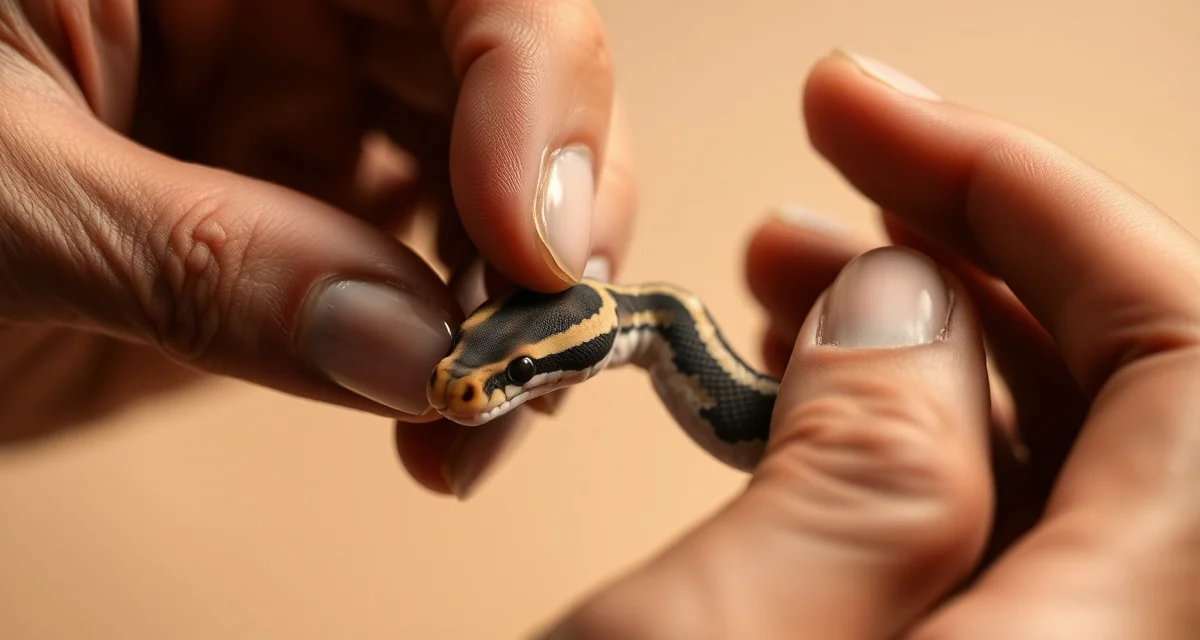
There are two main methods for sexing hatchling ball pythons: probing and popping. Both require practice and confidence to do accurately, and both have appropriate applications depending on the animal's age and your experience level.
Why Accurate Sexing Matters
For a hobbyist keeping a single pet, sex is interesting but not critical. For a breeder, incorrect sexing has real consequences:
- Selling an incorrectly sexed breeding animal undermines the buyer's plans
- Animals sold as pairs that turn out to be same-sex are immediately a customer service problem
- Legal and ethical obligations to accurate representation of animals you sell
Many breeders sex every hatchling within the first week after their first shed, then log the sex immediately so it's always available.
Popping
Popping is the most widely used technique for sexing hatchlings and young juveniles. It involves applying gentle ventral pressure behind the cloaca to evert the hemipenes in males, or to show the absence of hemipenes in females.
How popping works:
- Hold the hatchling ventral (belly) side up, supporting the body
- Place your thumb just behind the cloaca on the ventral surface
- Apply gentle, rolling pressure toward the cloaca
In males, one or both hemipenes will evert as small, pinkish protrusions from the cloaca. In females, no protrusion occurs, or only small sebaceous glands (which look distinctly different from hemipenes - smaller, less prominent, no obvious structure) may appear.
Important caveats:
- Too much pressure can injure the animal. This technique requires practice on many animals before you're confident in your reads.
- False negatives are possible in males if the pressure is applied incorrectly. A "female" read on popping should be re-confirmed, especially on high-value animals.
- False positives in females are rare but possible in inexperienced hands.
Learn popping technique from an experienced mentor or detailed instructional video before attempting it on your own animals. Watching it described in text is not sufficient preparation.
Probing
Probing uses a smooth, lubricated metal probe inserted into the cloaca and directed posteriorly to measure hemipenal depth.
- In males, the probe travels 8-12 subcaudal scales as it enters the hemipenal pocket
- In females, the probe travels only 2-4 subcaudal scales as there's no deep pocket
Equipment: Use a probe set with appropriately sized probes - the correct probe size for a hatchling is smaller than for an adult. Using an oversized probe can cause injury. Ball-ended probes are safer than blunt-ended ones.
Lubrication: Always lubricate the probe with a reptile-safe lubricant (KY Jelly or similar water-based lubricant works well). Never probe dry.
Application: Probing is generally considered more definitive than popping for confirming sex, but it's also higher risk if done improperly. Many experienced breeders use popping as their primary method and probe only when they want confirmation on a high-value animal.
Which Method to Use and When
Most working breeders use popping as their standard sexing method for hatchlings, starting after the first shed. Probing is reserved for confirmation on valuable animals or situations where the pop result was ambiguous.
If you're new to sexing and don't have hands-on experience with either technique, consider:
- Taking your animals to an experienced breeder or vet to have them sexed until you've built your skills
- Attending a reptile event or mentorship session where you can practice under supervision
Sexing errors are much more common in breeders who learned from written descriptions alone without hands-on feedback.
Documenting Sex in Your Records
Once you've sexed an animal, log it immediately in your records. Include:
- The method used (pop vs. probe)
- Whether the result was definitive or uncertain
- The date sexed
If you're uncertain, flag the animal clearly and re-sex before selling. Never sell an animal as a definitive sex if your technique gave you an ambiguous result.
Your HatchLedger breeding platform attaches sex records directly to each animal, so this information follows the animal through its complete history in your collection. When it comes time to sell, you have documented evidence of when and how the sex was determined.
For more on how different tools handle hatchling data, read the reptile breeder software comparison.
Frequently Asked Questions
What is the best approach to accurately sexing ball python hatchlings?
Learn popping technique under the supervision of an experienced breeder before attempting it alone, then apply it consistently after each hatchling's first shed. For high-value animals or ambiguous results, follow up with probing or have the animal probed by someone with confirmed experience. Log the method, result, and date for every animal, and never sell as a definitive sex if you weren't confident in your read. Accuracy comes from practice on many animals, not from reading about the technique.
How do professional breeders handle ball python sexing records?
Most experienced breeders sex every hatchling within the first 2 weeks post-hatch using popping, then log the sex in their animal records immediately. They note the method and whether the result was clear or required confirmation. When selling, they can reference the documented sex determination date and method, which builds buyer confidence. For very high-value animals, some breeders probe and photograph the result for documentation.
What software helps manage ball python sexing and hatchling records?
HatchLedger is purpose-built for reptile breeders, connecting animal records, breeding history, clutch outcomes, and financial tracking in one system. Unlike generic spreadsheets, it's designed around the specific workflow of an active breeding season. Free for up to 20 animals.
What records should every reptile breeder maintain per animal?
At minimum: acquisition date and source, morph and genetic documentation, feeding log, weight history, any veterinary treatments, and breeding history including pairing dates, clutch of origin for captive-bred animals, and offspring records. These records serve your own management, buyer documentation, regulatory compliance, and long-term genetic tracking.
How should reptile breeders document genetics for buyers?
A complete genetic record for sale includes the animal's visual morph name, confirmed het genes and their basis (parentage documentation or proven-out production), possible het genes with probability percentages, hatch date, and parent morph information. Including clutch-of-origin records lets buyers independently verify the claims.
What is Sexing Ball Python Hatchlings Accurately: Methods, Timing, and Record-Keeping?
Sexing ball python hatchlings accurately refers to the process of determining the sex of newborn ball pythons using two primary methods: probing and popping. This practice is essential for breeders before any animal is sold, as misidentifying a hatchling's sex can lead to customer complaints, costly returns, and reputational damage. The process also involves proper timing, consistent technique, and systematic record-keeping to ensure every animal leaves with correct documentation attached to its history.
How much does Sexing Ball Python Hatchlings Accurately: Methods, Timing, and Record-Keeping cost?
Sexing ball python hatchlings is a hands-on husbandry skill, not a paid service or product, so there is no direct cost. However, the tools required—probing rods and proper lubricants—are inexpensive. The real investment is time spent developing technique and maintaining accurate records. Breeders using integrated record-keeping software report saving around 30% of administrative time, which offsets costs and reduces errors that can result in expensive returns or damaged customer relationships.
How does Sexing Ball Python Hatchlings Accurately: Methods, Timing, and Record-Keeping work?
Probing involves inserting a lubricated sexing probe into the cloaca and measuring how far it travels in terms of subcaudal scales. Males probe significantly deeper than females due to inverted hemipenes. Popping manually everts the hemipenes in young hatchlings using gentle pressure near the tail base. Both methods require practiced technique to avoid injury. Results should be recorded immediately in a breeding management system and cross-referenced with clutch records for accuracy and accountability.
What are the benefits of Sexing Ball Python Hatchlings Accurately: Methods, Timing, and Record-Keeping?
Accurate sexing protects your reputation by ensuring customers receive the animal they paid for. It supports proper pairing decisions for future breeding projects, allows correct pricing based on sex and morph, and builds buyer confidence when animals come with verified records. Documented sex determinations tied to clutch histories also make animals easier to sell and often command higher prices, as buyers trust breeders who maintain thorough, transparent records throughout the production cycle.
Who needs Sexing Ball Python Hatchlings Accurately: Methods, Timing, and Record-Keeping?
Any ball python breeder who sells hatchlings needs to sex accurately and record results consistently. This applies whether you produce a single clutch per season or run a large-scale operation. Hobbyist breeders benefit from learning proper technique before selling animals, while commercial breeders need scalable record-keeping systems to manage multiple clutches. Anyone building a reputation in the reptile community should treat accurate sexing and documentation as non-negotiable standards, not optional best practices.
How long does Sexing Ball Python Hatchlings Accurately: Methods, Timing, and Record-Keeping take?
The physical act of probing or popping a hatchling takes under a minute per animal when performed by an experienced breeder. However, the full process—including recording results, updating clutch records, and linking sex data to feeding histories and genetic notes—adds several minutes per animal. Across a full clutch, plan for 30 to 60 minutes of combined handling and documentation time. Using breeding management software significantly reduces this administrative burden across a full season.
Related Articles
- Ball Python Sexing Methods: Probing, Popping, and Visual Identification
- Ball Python Record-Keeping Best Practices for Serious Breeders
Sources
- USARK (United States Association of Reptile Keepers)
- Association of Reptilian and Amphibian Veterinarians (ARAV)
- World of Ball Pythons (WoBP genetics reference database)
- MorphMarket (reptile industry marketplace)
- Reptiles Magazine (Bowtie Inc.)
Get Started with HatchLedger
Every part of a ball python breeding operation -- from pairing records to clutch documentation to financial tracking -- works better when the data is connected rather than scattered across notebooks and spreadsheets. HatchLedger is built for exactly that. Try it free with up to 20 animals.