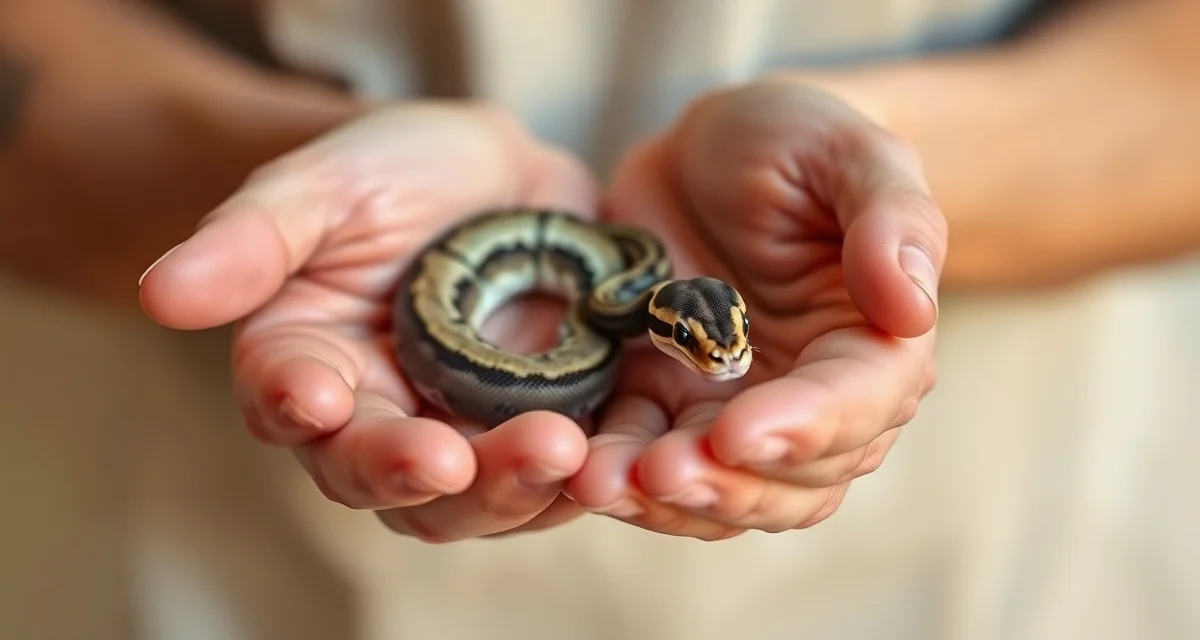
Handling Ball Python Hatchlings: Timing, Technique, and Stress Reduction
Ball python hatchlings are not miniature adults. They're physiologically stressed from hatching, still completing basic developmental milestones like their first shed, and haven't yet had the experiences that help an adult ball python recognize handling as non-threatening. Getting handling timing and technique right in those first weeks sets up better temperament and health outcomes. Breeders using integrated software report 30% less time on administrative tasks, giving you more time for the hands-on work with young animals that benefits their long-term development.
TL;DR
- Ball python breeding operations require systematic record-keeping from pre-season preparation through end-of-season sales.
- Females at 1,200-1,500g or more are the target weight before introducing them to a breeding male.
- Ovulation detection is the key event that anchors pre-lay shed and lay date calculations.
- Clutch profitability guide depends on understanding actual cost basis per animal, not just gross sale revenue.
- Well-documented animals with complete feeding histories and clear genetic records consistently sell faster and at higher prices.
When Not to Handle: The No-Touch Period
For the first few weeks of a hatchling's life, minimize handling as much as possible. The priority activities during this window are:
- Completing the first shed
- First successful feeding
- First confirmed digestion
Handling a hatchling before its first shed is unnecessary and stressful. The hatchling is in a vulnerable physiological state, focused on shedding - not on interacting with a giant predator-sized creature (that's you).
After the first shed but before the first feeding: still minimize handling. The hatchling's immediate behavioral priority is finding food, and handling adds stress that works against that.
After successful first feeding: wait at least 48-72 hours before any handling. Disturbing digestion causes regurgitation, and a hatchling that regurgitates its first meal is set back significantly.
The practical guideline: Don't handle hatchlings until they've had at least two to three successful feedings and are digesting consistently. For most hatchlings, this puts first handling at 3-5 weeks post-hatch.
Why Handling Timing Matters
Ball pythons have a well-documented defensive response when they feel threatened. Hatchlings have this response even more strongly than established adults, because nothing in their short experience has told them that being picked up isn't an attack.
Early, frequent handling before the hatchling has established basic security (eating, shedding, a familiar enclosure) creates an animal that's stressed by handling and may maintain that defensive posture longer than necessary.
Hatchlings who start handling after they're established eaters and have completed early developmental milestones generally acclimate much faster than those who are handled constantly from day one.
Handling Technique for Hatchlings
Approach slowly: Hatchlings are more sensitive to sudden movements than adults. Move your hand into the enclosure slowly.
Support the body: Pick up the hatchling with your palm under its midsection, allowing it to move onto your hand rather than being grabbed from above. An overhead grab triggers a predator response.
Keep sessions short: 5-10 minutes is appropriate for early handling sessions. This isn't about taming the animal through extended exposure - it's about introducing handling as a low-stress, regular experience.
Work close to the enclosure initially: If the hatchling is very defensive or trying to escape, handling near the enclosure allows you to quickly return it. This reduces the escalating stress of a hatchling that feels it can't escape.
Don't force continued contact: If the hatchling is actively defensive (striking, musking, coiling tightly), end the session. Forcing continued interaction with a stressed animal doesn't produce better outcomes.
What Normal Hatchling Behavior Looks Like
Most hatchlings will be defensive initially. Signs of a normal defensive response:
- Coiling into a ball (the species' signature defense)
- Musking (producing a strong-smelling secretion) when first handled
- Hissing
- Striking with a closed mouth
These responses typically decrease with regular, calm handling over 2-4 weeks. An animal that's still strongly defensive after a month of regular handling may have specific stress contributors in its environment worth examining.
Logging Handling and Temperament Notes
For animals you're considering keeping or for young animals that will be sold with handling notes, log your temperament observations:
- Date of first handling session
- Number of sessions per week
- Behavioral response (defensive, neutral, calm)
- How quickly defensive behavior diminished
- Any notable temperament characteristics
Track these notes in HatchLedger's animal records for each hatchling. When you're presenting animals for sale, documented handling history is a selling point that demonstrates your investment in each animal. For tools that support hatchling behavioral documentation, see the reptile breeder software comparison.
Frequently Asked Questions
What is the best approach to handling ball python hatchlings to minimize stress?
Wait until after the first shed and at least two to three successful feedings before regular handling. When you begin, use slow approaches, palm support rather than overhead grabbing, and short 5-10 minute sessions. Handle every 2-3 days consistently rather than sporadically. End sessions when the hatchling is actively defensive rather than extending contact when the animal is stressed. Most hatchlings with calm, consistent early handling become relaxed animals within a few weeks.
How do professional breeders handle ball python hatchling temperament development?
Experienced breeders prioritize getting hatchlings established on food before any handling, then introduce handling on a consistent schedule. They don't rush the process, understanding that an animal that starts eating and shedding without stress will acclimate to handling faster than one that's been overstimulated before it's developmentally ready. For hatchlings they're growing out as potential breeders, they maintain handling notes through the first year.
What software helps manage ball python hatchling handling records?
HatchLedger is purpose-built for reptile breeders, connecting animal records, breeding history, clutch outcomes, and financial tracking in one system. Unlike generic spreadsheets, it's designed around the specific workflow of an active breeding season. Free for up to 20 animals.
What records should every reptile breeder maintain per animal?
At minimum: acquisition date and source, morph and genetic documentation, feeding log, weight history, any veterinary treatments, and breeding history including pairing dates, clutch of origin for captive-bred animals, and offspring records. These records serve your own management, buyer documentation, regulatory compliance, and long-term genetic tracking.
How should reptile breeders document genetics for buyers?
A complete genetic record for sale includes the animal's visual morph name, confirmed het genes and their basis (parentage documentation or proven-out production), possible het genes with probability percentages, hatch date, and parent morph information. Including clutch-of-origin records lets buyers independently verify the claims.
Sources
- USARK (United States Association of Reptile Keepers)
- Association of Reptilian and Amphibian Veterinarians (ARAV)
- World of Ball Pythons (WoBP genetics reference database)
- MorphMarket (reptile industry marketplace)
- Reptiles Magazine (Bowtie Inc.)
Get Started with HatchLedger
Every part of a ball python breeding operation -- from pairing records to clutch documentation to financial tracking -- works better when the data is connected rather than scattered across notebooks and spreadsheets. HatchLedger is built for exactly that. Try it free with up to 20 animals.