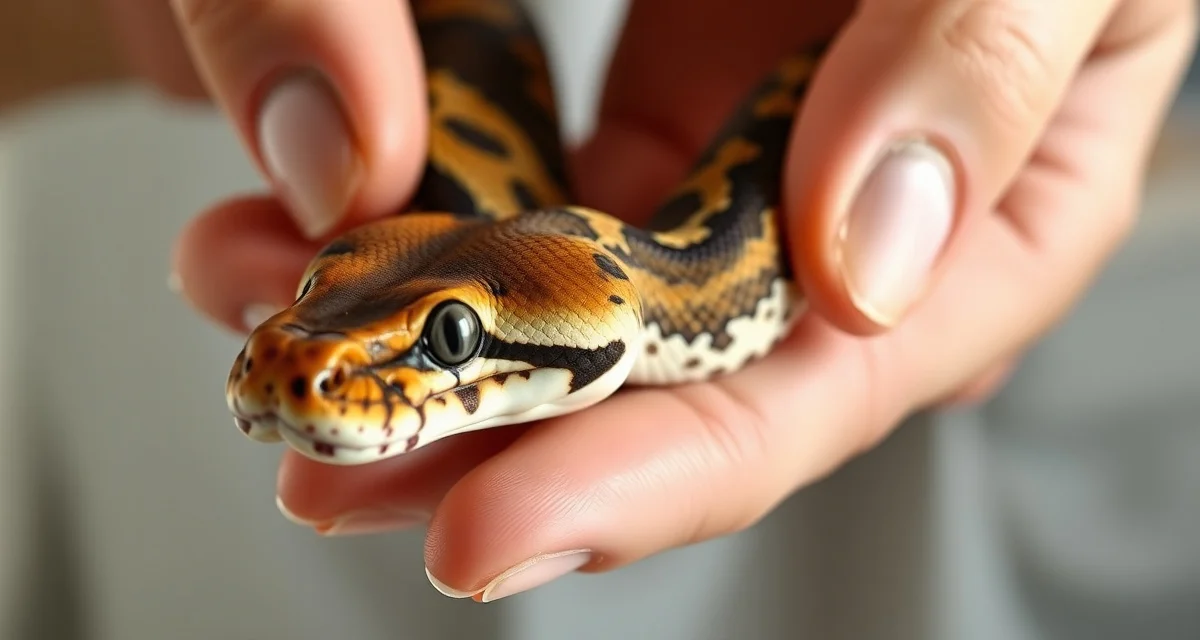
Ball Python Sexing Methods: Probing, Popping, and Visual Identification
Breeders using integrated software report 30% less time on administrative tasks, and sex determination is one of the first records you create for any new hatchling or acquisition. Getting it right matters commercially (male and female ball pythons often have notably different values depending on the morph) and logistically (you need to know what you're working with for breeding projects).
TL;DR
- Ball python breeding operations require systematic record-keeping from pre-season preparation through end-of-season sales.
- Females at 1,200-1,500g or more are the target weight before introducing them to a breeding male.
- Ovulation detection is the key event that anchors pre-lay shed and lay date calculations.
- Clutch profitability guide depends on understanding actual cost basis per animal, not just gross sale revenue.
- Well-documented animals with complete feeding histories and clear genetic records consistently sell faster and at higher prices.
Ball pythons don't have externally visible sexual characteristics. Males and females look essentially identical without specialized techniques. The three methods for sexing are probing, popping, and visual indicators; the first two are definitive, the third is supplementary.
Why Sex Matters for Breeders
Financial: Many morphs command different prices by sex. Females are often valued higher as breeding animals (one female can produce multiple clutches per year for many years). Certain morphs, particularly those with sex-linked genetics guide like banana/coral glow, have different values depending on sex.
Collection planning: Knowing the sex of every animal in your breeding projects is essential for pairing planning.
Sales accuracy: Selling an animal as a specific sex and being wrong creates buyer disputes and damages your reputation. Confirm sex before listing.
Probing
Probing is the most reliable sexing method for adult and subadult ball pythons. It involves inserting a smooth, rounded metal probe into the cloaca to measure the depth of the hemipenis (in males) or the vestigial hemipenis structure (in females).
Equipment: Stainless steel sexing probes in multiple sizes (a probe set with 5-8 sizes). The probe must be appropriately sized for the animal's cloaca; too large causes injury.
Lubrication: Always lubricate the probe with sterile lubricant (K-Y jelly or similar) before insertion.
Procedure:
- Secure the snake comfortably, with the rear portion of the body accessible
- Gently open the cloaca slightly by applying minimal pressure
- Insert the lubricated probe at a shallow angle toward the tail, following the hemipenis pocket
- In males, the probe slides in deeply toward the tail: typically 8-15 subcaudal scales deep depending on the animal's size
- In females, the probe inserts only 1-4 subcaudal scales before stopping at the base of the vestigial hemipenis
Sex determination:
- Males: probe slides in 8+ subcaudal scales
- Females: probe stops at 1-4 subcaudal scales
Important: Probing requires training and practice. Incorrect technique or inappropriate force can injure the animal. If you're new to probing, have an experienced breeder demonstrate the technique in person before attempting it yourself. Never force a probe; if it stops, that's where the anatomy stops.
Popping (Eversion)
Popping is the technique of everting the hemipenes (males) or vestigial hemipenes (females) by applying digital pressure below the cloaca and rolling forward. When successful, the male's hemipenes will evert visibly; female everts only small vestigial structures.
Best use: Popping is most reliable and safest for hatchlings and juveniles under 6 months old. On adults, it can be difficult to evert without inappropriate force and risks injury.
Procedure:
- Support the snake's lower body and tail
- Apply gentle, rolling pressure just posterior to the cloaca with the thumb, rolling the pressure toward the cloaca
- In males, one or both hemipenes will evert, appearing as pinkish-red structures
- In females, small "popping" structures may evert but are much smaller and less obvious
Common errors:
- Too much force (risk of injury)
- Wrong position (rolling in the wrong direction won't work)
- Interpreting female vestigial structures as male hemipenes (leads to incorrect sexing)
Again: learn this in person from an experienced breeder before attempting on your own animals.
Visual Indicators
Visual cues are not definitive on their own but can support other sexing methods:
Tail length and taper: Males typically have a longer, more gradually tapering tail. Females tend to have a shorter tail that tapers more abruptly. The difference is most visible when comparing multiple animals of the same species side by side.
Body size: Females typically grow larger than males in ball pythons, often reaching 3-5 lbs while males commonly stay at 1.5-3 lbs. However, there's notable overlap, and size is unreliable for sexing individuals.
Head width relative to body: Males often appear to have slightly wider heads relative to body diameter. Again, this is population-level statistical observation, not a reliable individual sexing method.
Visual indicators are useful for developing intuition over time and for supporting probe or pop results, but should not be the sole basis for declaring an animal's sex.
At What Age to Sex
Hatchlings: Popping is appropriate from hatch onward when done carefully. Probing hatchlings requires very small probes and very careful technique. Many breeders wait until first or second shed before confirming sex.
Juveniles (3-6 months): Both methods work reliably. This is when most breeders do first formal sex determination.
Adults: Probing is the most reliable method. Popping is difficult and not recommended for adults.
Recording Sex Information
Once you've determined an animal's sex through a reliable method, note:
- The method used (probe, pop, visual)
- The date
- Any relevant observations (e.g., "probe depth 10 subcaudal scales, confident male")
Don't record sex as confirmed unless you've used probe or pop. Visual determination alone should be noted as "probable male/female, not confirmed."
HatchLedger's animal records include sex fields that let you record the sexing method alongside the determination. When you're reviewing animals for breeding planning or sale listings, having the method documented tells you how confident the sex determination is.
Common Sexing Mistakes
Accepting previous owner's claim without verification: Always confirm sex yourself on any purchased animal. Sexing errors do happen.
Popping adults with excessive force: This can cause permanent injury to hemipenes.
Incorrect probe size: Too large a probe may not penetrate far enough in males, making them look female. Always use the appropriate probe size for the animal's size.
Single inconclusive probe: If a probe attempt is inconclusive, repeat it before recording. Don't record an uncertain result as definitive.
The HatchLedger reptile breeder software tracks sex determination records per animal, making it easy to flag animals where sex needs re-confirmation and ensuring your sales listings are always based on verified sex data.
Frequently Asked Questions
What is the best approach to ball python sexing methods?
Use probing for juveniles and adults (reliable, clear depth difference between sexes with appropriate probe technique), or popping for hatchlings (appropriate when done gently with proper technique). Visual indicators alone are insufficient for definitive sex determination. Record the method used and date of sexing in the animal's record.
How do professional breeders handle ball python sexing?
Experienced breeders sex all hatchlings at or shortly after first shed, confirm sex on all new acquisitions regardless of what the seller claims, and record the sexing method alongside the result. They learn proper probing and popping techniques from experienced breeders rather than from written instructions alone, as hands-on learning is essential for safety.
What records should every reptile breeder maintain per animal?
At minimum: acquisition date and source, morph and genetic documentation, feeding log, weight history, any veterinary treatments, and breeding history including pairing dates, clutch of origin for captive-bred animals, and offspring records. These records serve your own management, buyer documentation, regulatory compliance, and long-term genetic tracking.
How should reptile breeders document genetics for buyers?
A complete genetic record for sale includes the animal's visual morph name, confirmed het genes and their basis (parentage documentation or proven-out production), possible het genes with probability percentages, hatch date, and parent morph information. Including clutch-of-origin records lets buyers independently verify the claims.
Sources
- USARK (United States Association of Reptile Keepers)
- Association of Reptilian and Amphibian Veterinarians (ARAV)
- World of Ball Pythons (WoBP genetics reference database)
- MorphMarket (reptile industry marketplace)
- Reptiles Magazine (Bowtie Inc.)
Get Started with HatchLedger
Every part of a ball python breeding operation -- from pairing records to clutch documentation to financial tracking -- works better when the data is connected rather than scattered across notebooks and spreadsheets. HatchLedger is built for exactly that. Try it free with up to 20 animals.