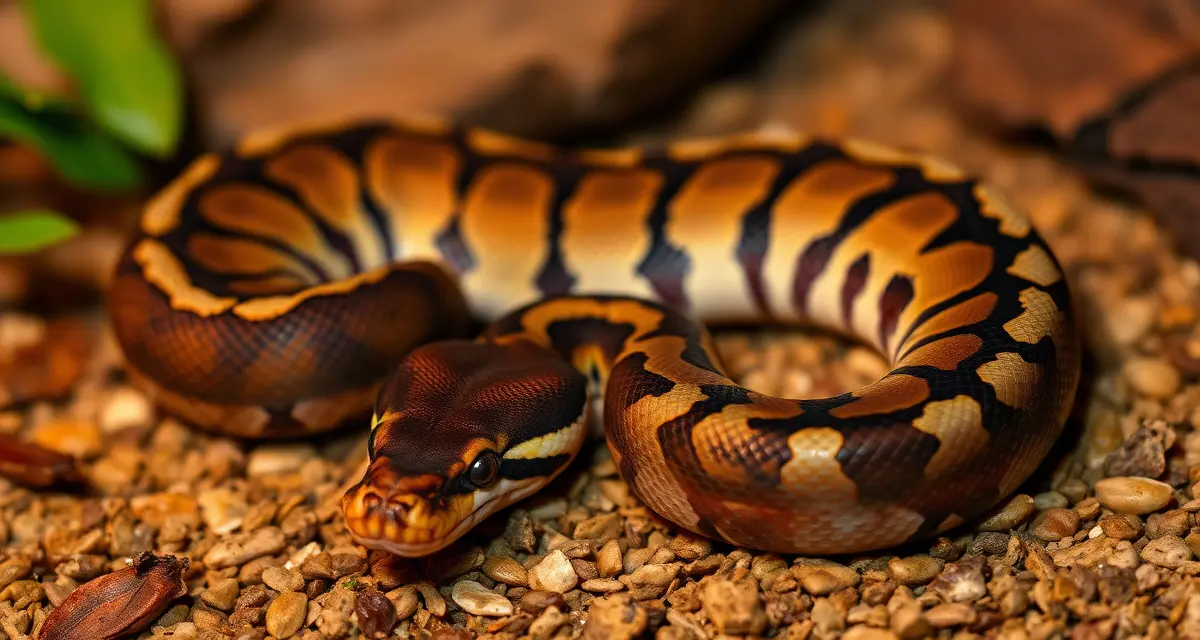
Female Ball Python Conditioning Before Breeding Season
By HatchLedger Editorial Team · Published 2025-06-13 · Updated Mar 13, 2026
The work you put into your females between April and October determines the quality of what you'll get from them between November and March. Conditioning is the period of deliberate feeding management, weight optimization, and health maintenance that prepares your breeding females for the physiological demands of reproduction. Breeders using integrated software report 30% less time on administrative tasks, giving you more time for the consistent husbandry that conditioning requires.
TL;DR
- Ball python breeding operations require systematic record-keeping from pre-season preparation through end-of-season sales.
- Females at 1,200-1,500g or more are the target weight before introducing them to a breeding male.
- Ovulation detection is the key event that anchors pre-lay shed and lay date calculations.
- Clutch profitability guide depends on understanding actual cost basis per animal, not just gross sale revenue.
- Well-documented animals with complete feeding histories and clear genetic records consistently sell faster and at higher prices.
Why Conditioning Matters
A well-conditioned female produces larger clutches, healthier eggs, better hatch rates, and recovers more quickly after laying. An underconditioned female may fail to develop viable follicles, produce a high percentage of slugs, struggle with egg binding, or take much longer to recover to breeding weight post-season.
The difference between a female who consistently produces 7-8 healthy eggs versus one who averages 4-5 with elevated slug rates is often traced to her condition heading into breeding season.
Target Weight and Body Condition
For females who have previously bred and recovered from last season, the conditioning goal is to return to or exceed their pre-breeding season weight from the previous year.
Weight target: Your specific female's optimal weight, based on her previous breeding history. If she bred at 1,800 grams and recovered well, aim to have her at 1,800-1,900 grams by the time you begin pairing.
Body condition: Weight alone isn't sufficient. The female should be well-muscled, not obese. A female who reached a high weight through rapid overfeeding may have poor muscle tone and excessive fat, which doesn't translate to better clutches.
Visual indicators of good conditioning:
- Smooth, well-rounded appearance when viewed from above
- Palpable but not prominent ribs and vertebrae
- No deep grooves alongside the spine
- Active, alert behavior
Feeding Schedule for Conditioning
If your female is recovering from the previous breeding season (April through summer):
Early recovery phase (April-June): Feed every 7-10 days with prey at approximately her normal meal size. Some females need smaller meals than usual early in recovery if digestive capacity is still returning.
Active conditioning phase (July-September): Feed every 7-10 days with appropriate prey size. If she's behind her target weight, you may feed at the shorter end of this interval. If she's already at good weight, maintain a 10-14 day schedule.
Pre-season stabilization (September-October): Bring her to target weight, then hold it. Overfeeding in the last 4-6 weeks before pairing season starts doesn't produce better outcomes and risks pushing her toward obesity.
What "Appropriate Prey Size" Means
A common conditioning mistake is feeding prey that's too large in an attempt to accelerate weight gain. Oversized prey:
- Increases regurgitation risk
- Creates an unhealthy spike-and-crash feeding pattern
- Can cause digestive issues that interrupt feeding entirely
Appropriate prey size for an adult ball python is roughly the same width as the widest part of her body. Some experienced breeders prefer slightly smaller than that for females during conditioning, arguing for better digestion consistency.
For weight gain, increase feeding frequency rather than prey size.
Monitoring Progress Through Records
Log every feeding attempt and outcome, and weigh your females monthly (or more frequently during active conditioning).
A graph of weight over time during the conditioning period reveals whether your feeding approach is working. A female who isn't gaining weight despite consistent feeding may have an underlying health issue worth investigating.
Track:
- Feeding date
- Prey type and size
- Accepted or refused
- Weight every 2-4 weeks
- Any health observations
This data, connected to each female's record in HatchLedger's conditioning and breeding system, builds a history that helps you predict how each animal performs over her breeding career.
Don't Neglect Males
While females receive most of the conditioning focus, male conditioning matters too. A male entering breeding season at poor weight will have a shorter season before his condition becomes concerning, limiting the number of effective pairings he can contribute.
Males should be fed consistently through the conditioning season and brought to good weight by October. Once breeding season begins and males go off feed, their stored condition carries them through.
For more on how record-keeping tools support complete breeding season management, see the reptile breeder software comparison.
Frequently Asked Questions
What is the best approach to conditioning ball python females before breeding season?
Feed consistently throughout the post-season recovery and conditioning period (April-October), targeting your female's historical pre-breeding weight by October. Use appropriate prey size and feed every 7-10 days during active conditioning. Weigh monthly to verify progress. Aim for good muscle tone and a healthy weight, not the highest possible weight. Enter breeding season with a female who's been eating consistently for at least 2-3 months without any digestive issues.
How do professional breeders handle ball python female conditioning programs?
Experienced breeders treat the off-season as the most important time for their females' reproductive health. They feed consistently, weigh regularly, and don't consider conditioning optional or secondary to breeding season management. Breeders with the strongest production records usually have conditioning protocols they follow without shortcuts, understanding that clutch quality in March is determined by what happened in July.
What software helps manage ball python female conditioning records?
HatchLedger is purpose-built for reptile breeders, connecting animal records, breeding history, clutch outcomes, and financial tracking in one system. Unlike generic spreadsheets, it's designed around the specific workflow of an active breeding season. Free for up to 20 animals.
What records should every reptile breeder maintain per animal?
At minimum: acquisition date and source, morph and genetic documentation, feeding log, weight history, any veterinary treatments, and breeding history including pairing dates, clutch of origin for captive-bred animals, and offspring records. These records serve your own management, buyer documentation, regulatory compliance, and long-term genetic tracking.
How should reptile breeders document genetics for buyers?
A complete genetic record for sale includes the animal's visual morph name, confirmed het genes and their basis (parentage documentation or proven-out production), possible het genes with probability percentages, hatch date, and parent morph information. Including clutch-of-origin records lets buyers independently verify the claims.
What is Female Ball Python Conditioning Before Breeding Season?
Female ball python conditioning before breeding season is a deliberate period of feeding management, weight optimization, and health maintenance carried out between April and October. It prepares breeding females for the physiological demands of reproduction, ensuring they have sufficient body reserves to develop healthy follicles, produce viable eggs, and recover well after laying. Conditioning is the foundation of a successful breeding season and directly influences clutch size, egg quality, and hatch rates.
How much does Female Ball Python Conditioning Before Breeding Season cost?
Conditioning itself has no fixed price — it refers to a husbandry practice, not a product or service. The primary costs involved are feeder animals to bring females up to target weight (1,200–1,500g or more), routine veterinary health checks, and any supplemental housing or equipment adjustments. Breeders who use record-keeping or breeding management software can reduce administrative overhead, with some reporting up to 30% time savings, indirectly lowering operational costs.
How does Female Ball Python Conditioning Before Breeding Season work?
Conditioning works by systematically increasing a female's body weight and overall health during the off-season. Breeders adjust feeding schedules and prey size to bring females to optimal weight before the breeding window opens in late fall. Health checks ensure no underlying issues are present. Once females are at target weight and condition, they are introduced to a breeding male, with ovulation detection used to anchor key dates like pre-lay shed and expected lay date.
What are the benefits of Female Ball Python Conditioning Before Breeding Season?
Proper conditioning leads to larger clutches, healthier eggs, improved hatch rates, and faster post-lay recovery. Well-conditioned females are less likely to produce slugs, experience egg binding, or fail to develop viable follicles at all. Beyond the biological benefits, animals with thorough conditioning and feeding records also command higher resale prices and sell faster, as documented health history builds buyer confidence and demonstrates responsible husbandry practices.
Who needs Female Ball Python Conditioning Before Breeding Season?
Any ball python breeder planning to produce clutches needs to condition their females. This applies to hobbyists and commercial breeders alike. Females that are underweight, in poor health, or without a consistent feeding history prior to the breeding season are at significantly higher risk of reproductive failure or complications. Breeders aiming for predictable, profitable outcomes — especially those managing multiple females — benefit most from a structured conditioning protocol with detailed record-keeping.
How long does Female Ball Python Conditioning Before Breeding Season take?
The conditioning period typically runs from April through October, roughly six months. This window gives breeders enough time to assess each female's starting weight and health, adjust feeding frequency and prey size, and steadily bring animals to the 1,200–1,500g target weight before the November breeding season begins. The timeline can vary depending on a female's starting condition — lighter or younger animals may need the full six months, while well-maintained females may require less intensive management.
Related Articles
- Ball Python Defensive Behavior During Breeding Season: What's Normal and What to Watch
- Year-End Breeding Season Review for Ball Python Programs
Sources
- USARK (United States Association of Reptile Keepers)
- Association of Reptilian and Amphibian Veterinarians (ARAV)
- World of Ball Pythons (WoBP genetics reference database)
- MorphMarket (reptile industry marketplace)
- Reptiles Magazine (Bowtie Inc.)
Get Started with HatchLedger
Every part of a ball python breeding operation -- from pairing records to clutch documentation to financial tracking -- works better when the data is connected rather than scattered across notebooks and spreadsheets. HatchLedger is built for exactly that. Try it free with up to 20 animals.