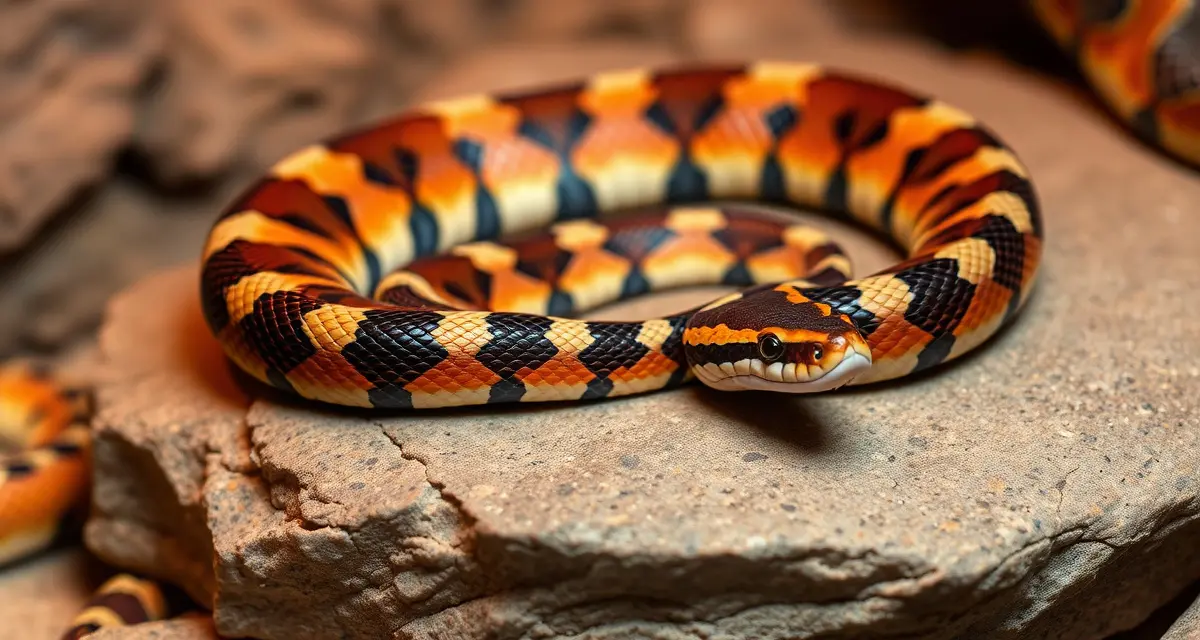
Milk Snake Common Breeding Issues: Complete Breeder Guide
By HatchLedger Editorial Team · Published 2025-03-04 · Updated Mar 13, 2026
Milk snake common breeding issues are similar to other North American colubrids: cycling failures, high slug rates, retained eggs, and post-hatch feeding problems account for the majority of problems breeders encounter. Milk snakes are generally cooperative breeders, but they still require proper cycling and conditioning to produce consistent results. Breeders using integrated software report 30% less time on administrative tasks, which means more time addressing breeding issues when they arise and building the historical records that make troubleshooting effective.
TL;DR
- Milk snakes span dozens of recognized subspecies of Lampropeltis triangulum and related species, each with distinct care and breeding requirements.
- Most milk snake subspecies require 60-90 days of seasonal cycling at 50-55 degrees Fahrenheit for reliable breeding.
- Clutch sizes range from 4-18 eggs depending on subspecies, with Honduran milk snakes averaging toward the larger end.
- Incubation runs 55-70 days at 78-82 degrees Fahrenheit with moderate humidity.
- Honduran milk snakes have an active morph program with albino, hypo, and tri-color tangerine lines among the established variants.
Cycling Failures
The most common breeding failure in milk snakes is a female who doesn't respond to introduction after cooling. Before assuming a problem, check:
Was the cooling adequate? 60 to 90 days at 55-65°F is the target. Shorter cooling periods or warmer temperatures produce less reliable breeding stimulation.
Has she resumed normal feeding? A female still off feed after the post-cooling warm-up period may not be physiologically ready. Give her more time to eat and regain condition.
Is the male responsive? Try the male with a different female you know is receptive to confirm he's cycling properly.
Log your troubleshooting steps and outcomes in HatchLedger's reptile breeder hub. Your records tell you whether a specific animal repeatedly fails to respond or whether this is a new problem that points to a protocol issue.
High Slug Rates
A clutch with 40%+ infertile eggs after confirmed pairings usually traces to:
Insufficient pairing sessions. A single pairing is less reliable than multiple sessions over 2 to 4 weeks. If your pairing log shows only one session, plan for more next season.
Male fertility issues. If multiple females paired with the same male show high slug rates while females paired with different males show normal fertility, the male may have a fertility problem.
Female health issues. Parasite loads, infections, or poor condition reduce egg viability.
Review your pairing records and female condition notes when diagnosing high slug rates.
Retained Eggs
Signs include visible abdominal swelling that doesn't resolve after the expected lay window or a female who laid some eggs and appears to have more. Ensure a pre-lay box is available. If laying hasn't occurred within 2 weeks of expected timing, seek veterinary assistance.
Log pre-lay box setup date, expected lay window, and actual lay date. Reptile breeder software comparison tools that connect your female's breeding and health history make it easy to see whether retained egg issues correlate with specific health events or season conditions.
Post-Hatch Feeding Issues
Most milk snake hatchlings feed reliably after their first shed. The small percentage that don't respond to standard frozen-thawed pinkies typically respond to lizard-scented prey, live prey, or the paper bag method. Log every attempt and escalate methodically based on your records.
Frequently Asked Questions
What is the best approach to milk snake common breeding issues?
Troubleshoot from your records first. Most breeding failures trace to insufficient cooling, poor female condition, or limited pairing access, all of which are visible in documented protocols. Check one variable at a time when adjusting your approach. Address retained egg issues promptly with veterinary guidance rather than waiting. For high slug rates, increase pairing sessions in the next season and evaluate male fertility if the pattern persists across multiple females.
How do professional breeders handle milk snake common breeding issues?
Professional milk snake breeders use their historical records to diagnose problems rather than guessing. They identify whether a breeding issue is isolated to one animal or reflects a broader protocol problem. They have escalation protocols for common issues: cycling failures lead to cooling protocol review; high slug rates lead to pairing frequency adjustments. They respond to retained eggs with immediate veterinary support. Their documentation makes the difference between informed troubleshooting and circular guessing.
What software helps manage milk snake common breeding issues?
HatchLedger is purpose-built for reptile breeders, connecting animal records, breeding history, clutch outcomes, and financial tracking in one system. Unlike generic spreadsheets, it's designed around the specific workflow of an active breeding season. Free for up to 20 animals.
What is the most commonly bred milk snake subspecies?
Honduran milk snakes (L. t. hondurensis) are the most widely bred milk snake subspecies due to their larger size, active morph development, and established keeper base. Nelson's milk snakes and Sinaloan milk snakes are also commonly bred. Scarlet kingsnakes have a smaller but dedicated keeper community.
How do you tell apart milk snake subspecies?
Subspecies identification relies on coloration pattern (band count and width), scale counts, and geographic origin. For captive-bred animals, documentation from the original breeder is the most reliable source. Hybridization between subspecies does occur and reduces the value and documentation reliability of offspring.
What is Milk Snake Common Breeding Issues: Complete Breeder Guide?
This guide covers the most common breeding challenges milk snake keepers face, including cycling failures, high slug rates, retained eggs, and post-hatch feeding refusal. It addresses the specific needs of Lampropeltis triangulum subspecies, which span dozens of recognized variants with distinct care requirements. The guide provides practical troubleshooting strategies and explains how maintaining detailed breeding records improves outcomes over successive seasons.
How much does Milk Snake Common Breeding Issues: Complete Breeder Guide cost?
This is a free educational resource available on HatchLedger. There is no cost to access the breeding guide. HatchLedger also offers reptile breeding management software that helps breeders track clutches, incubation data, and animal records, with breeders reporting 30% less time spent on administrative tasks when using integrated tools.
How does Milk Snake Common Breeding Issues: Complete Breeder Guide work?
The guide walks breeders through each phase of the milk snake reproductive cycle: seasonal cooling, conditioning, pairing, egg deposition, incubation, and hatchling care. It identifies where problems typically occur and explains the underlying causes. Breeders learn to distinguish normal variation from genuine issues and apply targeted fixes rather than guessing, backed by the kind of historical data that makes patterns visible.
What are the benefits of Milk Snake Common Breeding Issues: Complete Breeder Guide?
Using this guide helps breeders reduce wasted seasons caused by avoidable mistakes like improper cycling temperatures or incubation humidity errors. Understanding slug rates, retained eggs, and feeding refusal in context means faster intervention. Breeders who combine this knowledge with structured record-keeping build a compounding advantage, since each season's data informs the next and subspecies-specific patterns become easier to identify and manage.
Who needs Milk Snake Common Breeding Issues: Complete Breeder Guide?
This guide is written for anyone breeding milk snakes, from hobbyists attempting their first clutch to experienced keepers expanding into new subspecies. It is especially useful for those working with Honduran milk snakes and the established morph lines including albino and hypo variants, or for breeders transitioning from other colubrids who want to understand how milk snake requirements differ in practice.
How long does Milk Snake Common Breeding Issues: Complete Breeder Guide take?
Reading the guide takes roughly 10-15 minutes. Applying the recommendations spans the full breeding season: a 60-90 day cooling period at 50-55°F, followed by pairing, then 55-70 days of incubation at 78-82°F. From the start of cycling to hatchlings taking their first meals, expect a total timeline of approximately five to six months depending on subspecies and individual animal responses.
Related Articles
- Boa Constrictor Common Breeding Issues: Complete Breeder Guide
- Burmese Python Common Breeding Issues: Complete Breeder Guide
Sources
- USARK (United States Association of Reptile Keepers)
- Association of Reptilian and Amphibian Veterinarians (ARAV)
- Herpetologica (Herpetologists League)
- Society for the Study of Amphibians and Reptiles (SSAR)
- Reptiles Magazine (Bowtie Inc.)
Get Started with HatchLedger
Milk snake breeders working across subspecies and morph lines benefit from records that track lineage clearly and connect cooling protocols to seasonal clutch outcomes. HatchLedger keeps this information organized and searchable across your entire collection. Free for up to 20 animals.