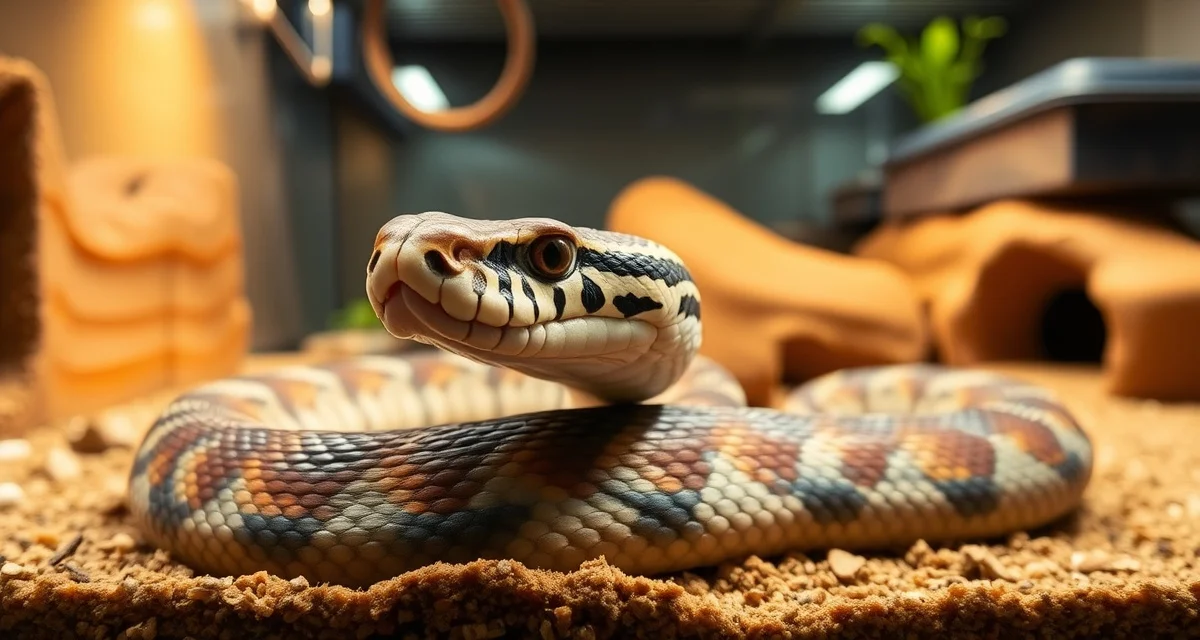
Hognose Snake Common Breeding Issues: Complete Breeder Guide
By HatchLedger Editorial Team · Published 2025-01-29 · Updated Mar 13, 2026
Hognose snake common breeding issues often trace back to cooling inadequacy. Western hognose snakes (Heterodon nasicus) are more dependent on thorough winter seasonal cycling for reliable breeding than many other colubrid species. Beyond cooling failures, hognose breeders also deal with high slug rates, egg retention (sometimes called egg binding), and the well-documented hatchling feeding challenges that are characteristic of the species. Breeders using integrated software report 30% less time on administrative tasks, which means more time addressing the breeding issues that come up and building the records that make future troubleshooting effective.
TL;DR
- Western hognose snakes (Heterodon nasicus) require 60-90 days of brumation at 50-60 degrees Fahrenheit for reliable breeding success.
- Females that skip cooling often fail to ovulate or produce infertile clutches, making brumation near-mandatory rather than optional.
- Clutch sizes average 8-18 eggs, with adult females commonly producing two clutches per season when managed well.
- Incubation runs 55-65 days at 82-84 degrees Fahrenheit with moderate humidity around 80-85%.
- Western hognose morphs include albino, axanthic, toffee, coral, and several combination lines with active development continuing.
Inadequate Cycling Response
The most common Western hognose breeding failure is a female that doesn't respond to male introduction despite completed cooling. This differs from other colubrids in important ways: western hognose females that weren't cooled thoroughly often fail to ovulate even after apparent pairings. Breeding without ovulation produces no clutch at all.
Review your cooling protocol: Was the cooling period a full 60 to 90 days? Was the temperature genuinely in the 50-60°F range, not just "cool"? Western hognose snakes benefit from cooler, longer brumation than many breeders initially provide.
Was the female eating well post-cooling? A female that doesn't resume active feeding after warming may not be ready for breeding. Give her more time.
Has she reached full breeding maturity? Female western hognose snakes can be sexually mature at 12 months but often aren't fully productive breeders until 18 to 24+ months when they've reached appropriate adult size.
High Slug Rates
Western hognose clutches often have higher slug rates than other colubrids, even with confirmed pairings. Contributing factors:
Insufficient pairings: Multiple sessions over 2 to 4 weeks produce better fertility rates than single introductions.
Premature ovulation assessment: Some eggs that appear infertile at lay or early candling are viable; early slug assessment can be misleading. Don't remove borderline eggs until candling confirms they're infertile.
Female health issues: Parasites or nutritional deficiencies affect egg viability. Annual fecal exams and appropriate diet help.
Log your pairing frequency alongside slug rates in HatchLedger's reptile breeder hub. Over multiple seasons, the correlation between pairing sessions and fertility rates becomes visible.
Egg Retention (Dystocia)
Western hognose females are somewhat prone to egg retention. Provide a suitable pre-lay box with moist substrate (sphagnum or paper towels) 3 to 4 weeks before expected lay. A female without a suitable lay site may retain eggs.
If a female appears gravid past her expected lay date without laying, seek veterinary assistance promptly. Oxytocin injections may stimulate laying; more severe cases need surgical intervention.
Hatchling Feeding Issues
Not a breeding problem per se, but the feeding challenges western hognose hatchlings present are so consistent that breeders need to plan for them as part of their production cycle. Build toad-scenting supplies and a complete escalation protocol into your standard hatchling care before any clutch hatches.
Reptile breeder software comparison tools that track feeding escalation history for individual hatchlings are especially valuable for western hognose programs.
Frequently Asked Questions
What is the best approach to hognose snake common breeding issues?
Most western hognose breeding failures trace to insufficient cooling. Ensure females receive a full 60 to 90 days at 55-60°F before diagnosing other problems. Review pairing frequency if slug rates are high. Provide pre-lay boxes 3 to 4 weeks before expected lay to prevent egg retention. Plan for hatchling feeding challenges by having scenting supplies and an escalation protocol ready before clutches hatch. Use your records to troubleshoot from data rather than guessing.
How do professional breeders handle hognose snake common breeding issues?
Professional western hognose breeders treat cooling duration and temperature as the primary breeding success variable and don't shortcut this protocol. They run multiple pairing sessions to maximize fertility rates. They provide pre-lay boxes early. They have fully prepared hatchling care setups including scenting materials before any clutch hatches. Their records let them compare slug rates against pairing frequency and cooling quality across seasons to identify what protocols produce their best results.
What software helps manage hognose snake common breeding issues?
HatchLedger logs cooling start and end dates, temperature records, post-cooling feeding resumption, and all pairing sessions for each hognose breeding animal. These records connect to clutch outcomes when females lay, allowing you to compare your seasonal protocol to breeding results across multiple seasons. Free for up to 20 animals.
Can western hognose snakes double-clutch?
Yes, double-clutching is common and reliable in well-conditioned western hognose females. The first clutch is typically laid in April or May, and if the female feeds aggressively through June, a second clutch often follows in July or August. Tracking body condition through the season tells you whether a female is ready for a second clutch.
Why do some hognose females play dead during introductions?
Death-feigning (thanatosis) is a well-known hognose defensive behavior and can occur during breeding introductions. Most females habituate to handling over time and reduce this response. Experienced males are generally persistent through the female's initial responses. Keeping introduction sessions calm and minimally disturbing helps.
What is Hognose Snake Common Breeding Issues: Complete Breeder Guide?
This guide covers the most common breeding challenges faced by western hognose snake (Heterodon nasicus) keepers, including brumation requirements, slug rates, egg retention, and hatchling feeding difficulties. It explains why hognose snakes are more demanding than many other colubrids when it comes to seasonal cycling, and provides practical guidance on incubation parameters, clutch management, and morph lines. Breeders at any experience level will find actionable information to improve clutch success and reduce losses.
How much does Hognose Snake Common Breeding Issues: Complete Breeder Guide cost?
This is a free educational resource available on HatchLedger. There is no purchase required to read the guide. HatchLedger also offers breeding management software that can help breeders track clutches, incubation data, and hatchling records — users report saving around 30% of time previously spent on administrative tasks, freeing them to focus on the hands-on work that breeding hognose snakes demands.
How does Hognose Snake Common Breeding Issues: Complete Breeder Guide work?
The guide walks breeders through each phase of the hognose breeding cycle: cooling animals properly through a 60-90 day brumation period at 50-60°F, introducing pairs after warming, monitoring females for ovulation and pre-lay sheds, collecting and incubating eggs at 82-84°F for 55-65 days, and troubleshooting issues like high slug rates or egg retention when they arise. It also addresses the notorious challenge of getting hatchlings to accept food.
What are the benefits of Hognose Snake Common Breeding Issues: Complete Breeder Guide?
Key benefits include understanding why brumation is near-mandatory for western hognose snakes rather than optional, learning typical clutch parameters (8-18 eggs, potentially two clutches per season), knowing correct incubation conditions to maximise hatch rates, and having a framework for identifying and responding to egg retention early. Breeders who understand these fundamentals can make better management decisions and build records that improve outcomes across future seasons.
Who needs Hognose Snake Common Breeding Issues: Complete Breeder Guide?
This guide is useful for anyone keeping and breeding western hognose snakes, from first-time breeders preparing for their initial season to experienced keepers troubleshooting persistent issues like low fertility or hatchlings refusing food. It is also relevant for breeders working with specific hognose morphs — albino, axanthic, toffee, coral, and combination lines — who want to ensure their animals are conditioned and managed correctly to preserve and develop those genetics.
How long does Hognose Snake Common Breeding Issues: Complete Breeder Guide take?
The breeding season itself spans several months. Brumation lasts 60-90 days, followed by a warm-up and pairing period, then a 55-65 day incubation window. From the start of cooling to hatchlings emerging, the process typically takes five to six months. Reading this guide takes under 15 minutes, but applying its principles is an ongoing commitment throughout the annual breeding cycle as you monitor animals, manage clutches, and work through hatchling feeding challenges.
Related Articles
Sources
- USARK (United States Association of Reptile Keepers)
- Association of Reptilian and Amphibian Veterinarians (ARAV)
- Society for the Study of Amphibians and Reptiles (SSAR)
- Herpetological Review
- Great Plains Wildlife Management
Get Started with HatchLedger
Western hognose breeding with multiple morphs and double-clutching females benefits from connected records that link cooling dates, pairing introductions, and per-clutch outcomes. HatchLedger tracks all of it and lets you compare seasonal protocols against results over multiple years. Free for up to 20 animals.