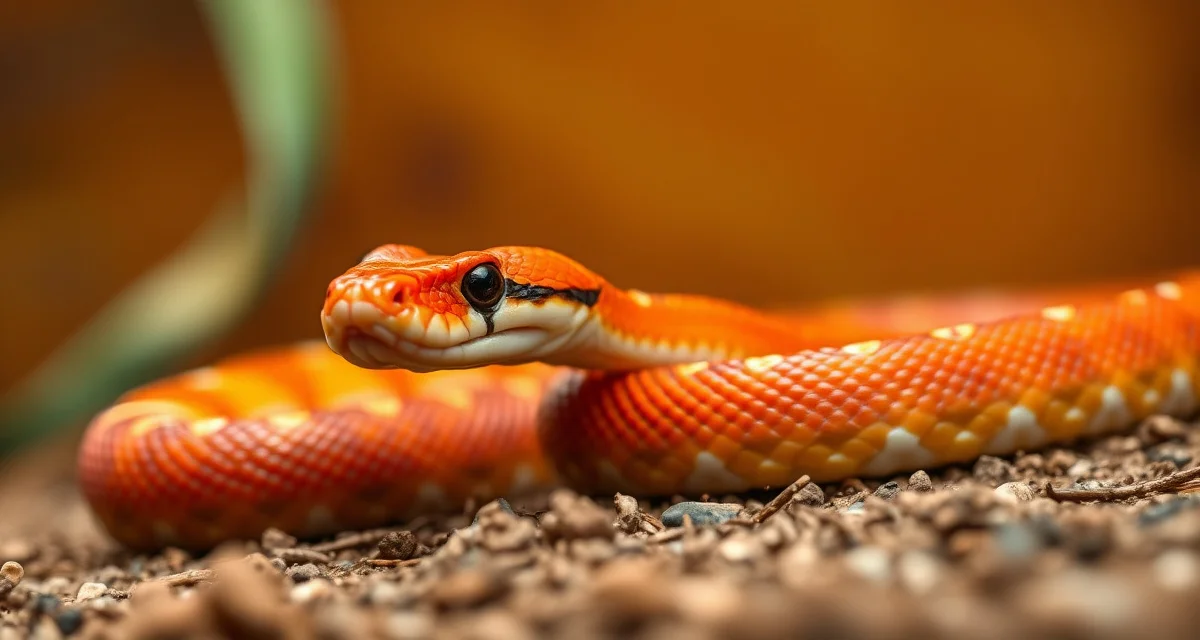
Corn Snake Common Breeding Issues: Complete Breeder Guide
Corn snakes are among the easiest snakes to breed in captivity, but even the most cooperative species has its problems. Understanding the common issues that arise in corn snake breeding, and having a systematic approach to troubleshooting them, saves time and prevents season-disrupting surprises. Breeders using integrated software report 30% less time on administrative tasks, which means more time addressing the breeding issues that need attention when they come up.
TL;DR
- Corn snakes (Pantherophis guttatus) are the most widely bred colubrid in captivity, with hundreds of documented morphs spanning all three major inheritance patterns.
- Seasonal cycling of 60-90 days at 50-60 degrees Fahrenheit is the standard cycling protocol for reliable spring breeding.
- Clutch sizes average 12-24 eggs for adult females, with experienced breeders often producing 2 clutches per season from well-conditioned females.
- Incubation setup runs 55-65 days at 78-82 degrees Fahrenheit, cooler than most python species.
- Corn snake morph genetics include multiple allelic series, including the amelanistic and anerythristic pathways, that interact in non-obvious ways.
Female Won't Breed After Cooling
The most common breeding problem is introducing a well-cooled female who simply shows no interest in a male. Before assuming something is wrong, check these factors:
Is she eating well post-cooling? A female that comes out of brumation and refuses to eat for weeks before introduction may not be physiologically ready to breed. Let her resume a normal feeding pattern before pairing.
Is the male actively courting? Some males are more persistent breeders than others. An overly passive male may not stimulate a female who needs more active courtship. Try a different male.
Was the cooling adequate? Shorter cooling periods (less than 60 days) or warmer cooling temperatures (above 68°F) produce less reliable breeding stimulation. Review your cooling protocol records.
Is she in good body condition? Females below optimal weight may not respond. Review her weight log and feeding history.
Log every introduction with behavioral observations. If the female is active but avoidant, that's different from a female that seems healthy but completely ignores the male.
High Slug Rate in Clutches
A clutch with 50% or more infertile eggs (slugs) after confirmed pairings points to one of several issues:
Insufficient pairing access. If only one short pairing was observed, fertilization may have been incomplete. Multiple pairings over 2 to 3 weeks give better results.
Male fertility concerns. If a male has an unproven breeding history and multiple females with him are producing high slug rates, consider whether he has a fertility issue. Try pairing one of your females with a different male.
Female health issues. Internal parasites, poor condition, or illness can reduce egg viability.
Log your pairing dates and durations in HatchLedger's reptile breeder hub. If slug rates correlate consistently with shorter pairing windows or specific males, your records will show this pattern.
Retained Eggs (Dystocia)
Egg retention happens when a female is unable to lay all of her eggs. Signs include visible abdominal swelling that doesn't resolve after expected lay time, straining behavior, or a female that has laid some eggs but appears to have more.
First steps: Ensure the female has a suitable pre-lay box (moist sphagnum or paper towels in an enclosed container). A female that can't find an appropriate site may retain eggs.
If a lay box is provided and laying hasn't occurred within 2 weeks of the expected date: Seek veterinary assistance. Oxytocin injections can sometimes stimulate laying; in more severe cases, surgical intervention may be needed. Retained eggs become infected if left untreated.
Log your pre-lay box setup date, lay date, and any complications. If the same female has difficulty laying multiple seasons, this is a health consideration for her future in your breeding program.
Egg Collapse During Incubation
Eggs that collapse and deflate during incubation can point to:
- Infertility (detected by candling early)
- Dehydration during incubation (substrate too dry)
- Bacterial infection in the egg
- Embryo death from temperature extremes
Review your incubation logs when eggs fail. Was there a temperature spike? Did the substrate dry out between checks? Your incubation notes in reptile breeder software comparison-recommended software let you connect environmental events to specific outcomes.
Problem Feeders Post-Hatch
Most corn snake hatchlings are reliable feeders. When you encounter a refuser, work through the standard escalation: frozen-thawed with warmth, scenting, live prey. Document every attempt.
A hatchling with no feedings at 8 weeks from hatch that's losing weight needs veterinary evaluation. Don't wait longer.
Frequently Asked Questions
What is the best approach to corn snake common breeding issues?
Use a systematic troubleshooting approach based on your records. Most breeding problems trace back to insufficient cooling, inadequate female body condition, or limited pairing access. Check your documented protocols against the problem before changing multiple variables simultaneously. One change at a time with documented outcomes is far more useful than adjusting everything at once and not knowing what worked. Maintain complete feeding, weight, and pairing records so your troubleshooting starts from data, not guesswork.
How do professional breeders handle corn snake common breeding issues?
Professional corn snake breeders have a documented protocol for every stage of the breeding season and a troubleshooting checklist for when problems arise. They review cooling protocols, female condition records, and pairing logs before concluding that something is wrong with an animal. They test males with proven females before concluding a male is infertile. They track slug rates per pairing over multiple seasons to identify consistently low-fertility pairings. Most maintain records detailed enough to trace the cause of most breeding issues without guesswork.
What software helps manage corn snake common breeding issues?
HatchLedger is purpose-built for reptile breeders, connecting animal records, breeding history, clutch outcomes, and financial tracking in one system. Unlike generic spreadsheets, it's designed around the specific workflow of an active breeding season. Free for up to 20 animals.
Can corn snakes produce two clutches in a single breeding season?
Yes, many adult corn snake females will double-clutch reliably, especially when kept at ideal temperatures and fed aggressively between clutches. Allow females at least 4-6 weeks of heavy feeding between the first and second clutch. Tracking body weight before and after each clutch helps assess whether a female is in condition for a second clutch that season.
What temperature should corn snake eggs be incubated at?
Corn snake eggs incubate best at 78-82 degrees Fahrenheit. Higher temperatures up to 84 degrees accelerate development but reduce the hatch window and can increase developmental problems. Below 75 degrees slows development significantly. Unlike ball python eggs, corn snake eggs tolerate a wider temperature range reasonably well.
What are the most profitable corn snake morphs for breeders?
Multi-gene combination morphs command the highest prices. Motley, Tessera, and Scaleless are structural genes that add significant value to color morph animals. Scaleless corn snakes in particular fetch $300-800 or more depending on color morph combination. Single-gene morphs like Amelanistic and Anerythristic are common and prices are compressed; combinations including structural genes maintain stronger margins.
Sources
- USARK (United States Association of Reptile Keepers)
- Association of Reptilian and Amphibian Veterinarians (ARAV)
- Herpetological Review (Society for the Study of Amphibians and Reptiles)
- Reptiles Magazine (Bowtie Inc.)
- Society for the Study of Amphibians and Reptiles (SSAR)
Get Started with HatchLedger
Corn snake breeders managing multiple morphs, double-clutching females, and complex genetic documentation benefit from a system that links animal records to clutch outcomes and keeps morph genetics traceable across generations. HatchLedger handles all of this, free for up to 20 animals.