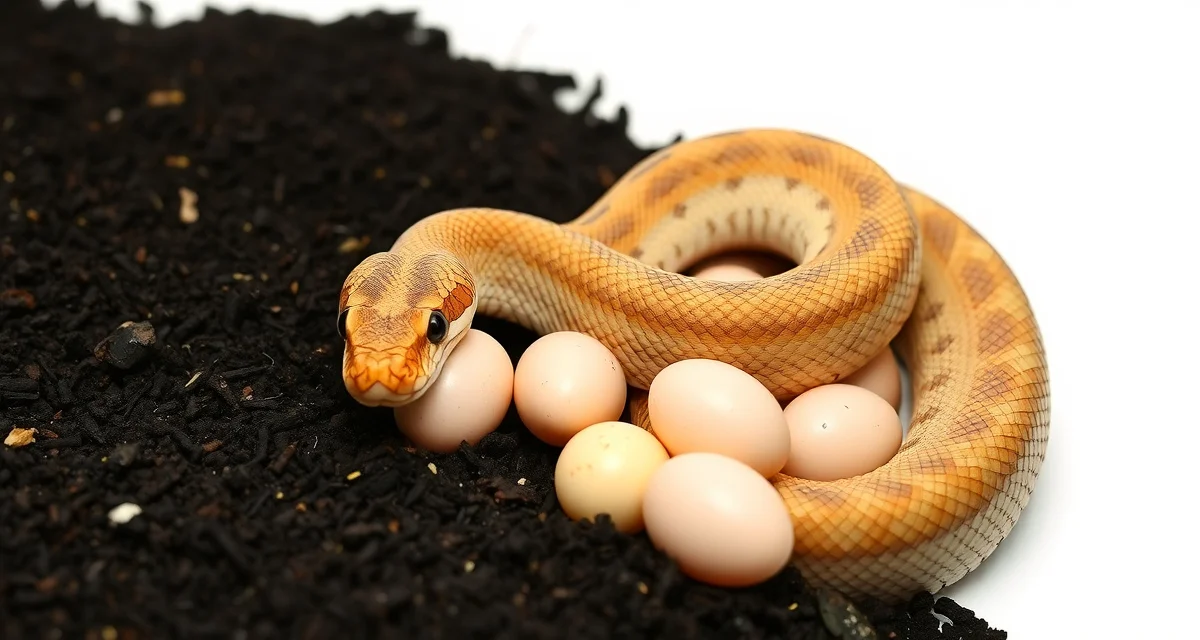
Hognose Snake Clutch Size and Egg Count: Complete Breeder Guide
By HatchLedger Editorial Team · Published 2025-02-12 · Updated Mar 13, 2026
Hognose snake clutch size and egg count are among the most variable in North American colubrid breeding. Western hognose snakes (Heterodon nasicus) can produce anywhere from 4 to 25 eggs per clutch, with most experienced breeders averaging 8 to 15 from well-conditioned adult females. The variation is substantial, and understanding what drives it is essential for managing expectations and optimizing your program's production. Breeders using integrated software report 30% less time on administrative tasks, freeing focus for the conditioning work that most affects your clutch outcomes.
TL;DR
- Western hognose snakes (Heterodon nasicus) require 60-90 days of seasonal cycling at 50-60 degrees Fahrenheit for reliable breeding success.
- Females that skip cooling often fail to ovulate or produce infertile clutches, making brumation near-mandatory rather than optional.
- Clutch sizes average 8-18 eggs, with adult females commonly producing two clutches per season when managed well.
- Incubation runs 55-65 days at 82-84 degrees Fahrenheit with moderate humidity around 80-85%.
- Western hognose morphs include albino, axanthic, toffee, coral, and several combination lines with active development continuing.
What's Normal for Western Hognose Clutches
Western hognose snakes are surprisingly productive for their size. Adult females in prime condition regularly produce clutches of 12 to 20 eggs. First-time breeders typically start smaller, in the 4 to 10 egg range.
The eggs are relatively small and oval, and western hognose females can lay them in clutches that look surprisingly large for the female's body size. A female weighing 150 grams can produce a clutch of 15 eggs without difficulty if she's in appropriate condition.
The catch: slug rates in western hognose clutches can be higher than in many other colubrid species, particularly in first-time breeders or females with insufficient pairing access. A clutch of 15 eggs with 8 viable is a decent result, but planning to hatch 15 and getting 8 changes your production planning significantly.
Factors That Drive Clutch Size
Female Body Condition
A female entering the breeding season at optimal weight produces more follicles than one that's underweight or recovering from illness. Western hognose females should have a firm, well-muscled body without prominent backbone or ribs.
Weigh females monthly throughout the year and log in your individual records. Compare weights entering the cooling period year over year to identify whether your conditioning is maintaining females at appropriate levels.
Cooling Quality
As with all temperate colubrids, adequate cooling is directly linked to clutch size. Females receiving full cooling at appropriate temperatures consistently produce more follicles than those that receive abbreviated protocols.
Number of Pairing Sessions
More pairing sessions improve fertilization rates, reducing the effective slug count per clutch. The raw egg count doesn't change, but the viable hatchling count improves with more comprehensive breeding access.
Tracking Clutch Data
At lay, record:
- Total egg count and fertility assessment
- Lay date and female weight before and after
- Incubation parameters
Candle at 10 to 14 days. Log results. Connect your clutch data to female condition records in HatchLedger's reptile breeder hub to identify correlations between female weight at breeding and clutch size across seasons.
Western hognose clutch data across multiple seasons gives you the program-specific benchmarks that generic species guides can't provide. Reptile breeder software comparison tools that store this data in a connected format make the analysis straightforward.
Frequently Asked Questions
What is the best approach to hognose snake clutch size and egg count?
Focus on female condition throughout the year. A female consistently maintained at healthy body weight, cooled for 60 to 90 days, and fed well before breeding will produce larger clutches than one managed less carefully. Run multiple pairing sessions over 2 to 4 weeks to maximize fertilization rates and reduce effective slug count. Log complete clutch data at lay and at candling, and compare across seasons to track your conditioning protocol's effectiveness.
How do professional breeders handle hognose snake clutch size and egg count?
Professional western hognose breeders weigh females monthly, condition with appropriate feeding before cooling, run full cooling protocols, and conduct multiple pairing sessions. They track slug rates per pairing to assess fertility across their program. They log complete clutch data and compare results across seasons for each female. Their financial records show the P&L per clutch so they can see directly how clutch size drives their program's profitability.
What software helps manage hognose snake clutch size and egg count?
HatchLedger logs cooling start and end dates, temperature records, post-cooling feeding resumption, and all pairing sessions for each hognose breeding animal. These records connect to clutch outcomes when females lay, allowing you to compare your seasonal protocol to breeding results across multiple seasons. Free for up to 20 animals.
Can western hognose snakes double-clutch?
Yes, double-clutching is common and reliable in well-conditioned western hognose females. The first clutch is typically laid in April or May, and if the female feeds aggressively through June, a second clutch often follows in July or August. Tracking body condition through the season tells you whether a female is ready for a second clutch.
Why do some hognose females play dead during introductions?
Death-feigning (thanatosis) is a well-known hognose defensive behavior and can occur during breeding introductions. Most females habituate to handling over time and reduce this response. Experienced males are generally persistent through the female's initial responses. Keeping introduction sessions calm and minimally disturbing helps.
What is Hognose Snake Clutch Size and Egg Count: Complete Breeder Guide?
This guide covers everything western hognose snake breeders need to know about clutch size and egg production. Western hognose snakes (Heterodon nasicus) typically lay 4 to 25 eggs per clutch, averaging 8 to 15 from well-conditioned adult females. The guide explains the variables that drive clutch size variation, brumation requirements, incubation parameters, and morph genetics—giving breeders a complete framework for managing expectations and improving production outcomes across their programs.
How much does Hognose Snake Clutch Size and Egg Count: Complete Breeder Guide cost?
This is a free educational breeding guide, not a product or service with a purchase price. The information on hognose snake clutch sizes, brumation protocols, incubation settings, and morph genetics is provided at no cost to help breeders at all experience levels. HatchLedger does offer breeding management software to help track clutches and reduce administrative overhead, but the guide itself is publicly accessible without any subscription or payment required.
How does Hognose Snake Clutch Size and Egg Count: Complete Breeder Guide work?
The guide works by breaking down the key factors that influence hognose snake clutch size and reproductive success. It covers seasonal cycling requirements, female conditioning, incubation temperature and humidity targets, and double-clutching strategies. Breeders learn how brumation at 50–60°F for 60–90 days triggers reliable ovulation, how to set incubation at 82–84°F with 80–85% humidity, and how to interpret clutch outcomes to refine their program over successive breeding seasons.
What are the benefits of Hognose Snake Clutch Size and Egg Count: Complete Breeder Guide?
Using this guide helps breeders set realistic clutch size expectations, avoid common mistakes like skipping brumation, and optimize incubation conditions for higher hatch rates. Understanding that adult females can produce two clutches per season when properly managed can significantly increase annual production. The guide also helps breeders identify which morph combinations are in active development, supporting smarter pairing decisions and better long-term planning for genetic lines within their collection.
Who needs Hognose Snake Clutch Size and Egg Count: Complete Breeder Guide?
This guide is written for western hognose snake breeders ranging from first-time hobbyists to experienced multi-clutch producers. It is especially useful for anyone transitioning from keeping hognose snakes to breeding them, or for breeders troubleshooting low fertility or inconsistent clutch sizes. Collectors working with albino, axanthic, toffee, coral, or combination morph lines will also benefit from the genetics context provided alongside the core husbandry and reproduction information.
How long does Hognose Snake Clutch Size and Egg Count: Complete Breeder Guide take?
The breeding timeline for western hognose snakes spans most of the calendar year. Brumation lasts 60–90 days, typically from late fall through winter. Breeding introductions follow in early spring, with ovulation and egg-laying occurring weeks later. Incubation runs 55–65 days at 82–84°F. From the start of cooling to final hatch, breeders should budget approximately five to six months per clutch cycle, with double-clutching possible when females are well-conditioned and the first clutch is laid early in the season.
Related Articles
- Burmese Python Clutch Size and Egg Count: Complete Breeder Guide
- Carpet Python Clutch Size and Egg Count: Complete Breeder Guide
Sources
- USARK (United States Association of Reptile Keepers)
- Association of Reptilian and Amphibian Veterinarians (ARAV)
- Society for the Study of Amphibians and Reptiles (SSAR)
- Herpetological Review
- Great Plains Wildlife Management
Get Started with HatchLedger
Western hognose breeding with multiple morphs and double-clutching females benefits from connected records that link cooling dates, pairing introductions, and per-clutch outcomes. HatchLedger tracks all of it and lets you compare seasonal protocols against results over multiple years. Free for up to 20 animals.