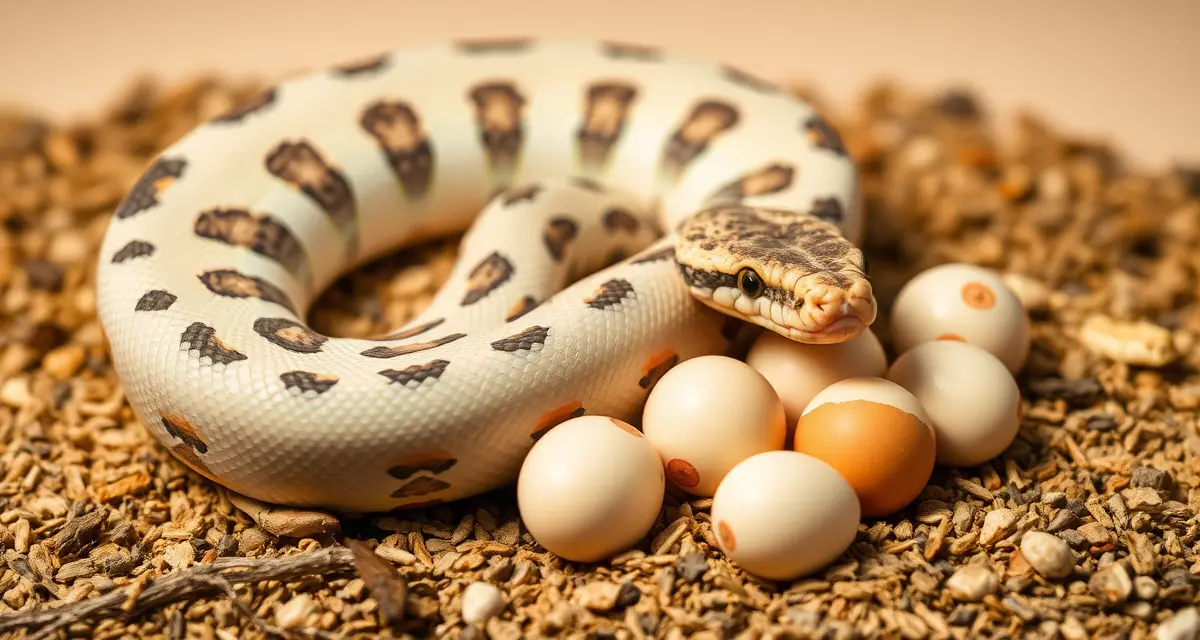
Milk Snake Clutch Size and Egg Count: Complete Breeder Guide
By HatchLedger Editorial Team · Published 2025-03-18 · Updated Mar 13, 2026
Milk snake clutch size and egg count vary substantially by subspecies. The milk snake complex (Lampropeltis triangulum and related species) spans dozens of subspecies with different geographic origins and typical clutch sizes. A Honduran milk snake female may produce 8 to 18 eggs, while an Eastern milk snake might produce only 4 to 12. Understanding your subspecies and optimizing female condition is the foundation of maximizing production. Breeders using integrated software report 30% less time on administrative tasks, freeing attention for the conditioning work that most affects clutch outcomes.
TL;DR
- Milk snakes span dozens of recognized subspecies of Lampropeltis triangulum and related species, each with distinct care and breeding requirements.
- Most milk snake subspecies require 60-90 days of seasonal cycling at 50-55 degrees Fahrenheit for reliable breeding.
- Clutch sizes range from 4-18 eggs depending on subspecies, with Honduran milk snakes averaging toward the larger end.
- Incubation runs 55-70 days at 78-82 degrees Fahrenheit with moderate humidity.
- Honduran milk snakes have an active morph program with albino, hypo, and tri-color tangerine lines among the established variants.
Typical Clutch Sizes by Subspecies
Different milk snake subspecies have different typical clutch sizes:
- **Honduran milk snake (L. hondurensis):** 8 to 18 eggs, commonly 10 to 15
- **Eastern milk snake (L. triangulum triangulum):** 4 to 12 eggs
- **Sinaloan milk snake (L. sinaloae):** 6 to 14 eggs
- **Nelson's milk snake (L. nelsoni):** 6 to 14 eggs
- **Pueblan milk snake (L. polyzona):** 5 to 12 eggs
First-time breeders generally produce smaller clutches at the low end of their subspecies range. Prime adult females in optimal condition produce toward the upper end.
Factors Affecting Clutch Size
Female Condition
Body condition at breeding is the most controllable factor. A female entering the breeding season at optimal weight, after a complete cooling period and adequate post-cooling feeding, will develop more follicles than one that's underconditioned.
Weigh breeding females monthly year-round and log in your individual animal records. Compare weights across seasons to identify whether your conditioning approach is maintaining animals at appropriate levels.
Cooling Quality
Females that receive complete cooling at appropriate temperatures consistently produce larger clutches than those cooled superficially. A 90-day cooling period at 55-60°F typically produces better results than a 60-day period at 63-65°F, though both are within the acceptable range.
Number of Breeding Sessions
Multiple pairings over 2 to 4 weeks improve fertilization rates without directly increasing clutch size. A well-fertilized clutch has fewer infertile eggs (slugs), so the effective productive count per clutch increases with more breeding sessions.
Recording and Analyzing Clutch Data
Record at every lay:
- Total egg count
- Apparent fertility at lay (firm white eggs vs. yellowed slugs)
- Lay date
- Female weight before and after
Candle at 10 to 14 days to confirm fertility. Log results. Connect your clutch data to female conditioning records in HatchLedger's reptile breeder hub to identify whether female weight at breeding correlates with clutch size across seasons.
Reptile breeder software comparison tools that connect clutch data to P&L automatically let you see the financial impact of clutch size variation directly, making the case for investing in better female conditioning unmistakably clear in your records.
Frequently Asked Questions
What is the best approach to milk snake clutch size and egg count?
Know your subspecies' typical range and focus on female condition throughout the year. Pre-breed conditioning with slightly increased feeding before the cooling period begins, combined with adequate post-cooling feeding before introductions, consistently produces clutches toward the upper end of your subspecies' range. Run multiple pairing sessions over 2 to 4 weeks to maximize fertilization rates. Record complete clutch data at lay and compare across seasons to track your conditioning protocol's effectiveness.
How do professional breeders handle milk snake clutch size and egg count?
Professional milk snake breeders track female weights year-round, condition with appropriate feeding before cooling, and conduct full cooling protocols without shortcuts. They record complete clutch data including individual egg counts and fertility assessments, and compare results across seasons to assess whether protocol adjustments produced improvements. They also track slug rates per pairing to identify whether specific males or pairing approaches need adjustment.
What software helps manage milk snake clutch size and egg count?
HatchLedger is purpose-built for reptile breeders, connecting animal records, breeding history, clutch outcomes, and financial tracking in one system. Unlike generic spreadsheets, it's designed around the specific workflow of an active breeding season. Free for up to 20 animals.
What is the most commonly bred milk snake subspecies?
Honduran milk snakes (L. t. hondurensis) are the most widely bred milk snake subspecies due to their larger size, active morph development, and established keeper base. Nelson's milk snakes and Sinaloan milk snakes are also commonly bred. Scarlet kingsnakes have a smaller but dedicated keeper community.
How do you tell apart milk snake subspecies?
Subspecies identification relies on coloration pattern (band count and width), scale counts, and geographic origin. For captive-bred animals, documentation from the original breeder is the most reliable source. Hybridization between subspecies does occur and reduces the value and documentation reliability of offspring.
What is Milk Snake Clutch Size and Egg Count: Complete Breeder Guide?
This guide covers everything milk snake breeders need to know about clutch sizes and egg counts across the Lampropeltis triangulum complex. It breaks down typical clutch ranges by subspecies—from Eastern milk snakes producing 4–12 eggs to Hondurans averaging 8–18—and explains how female conditioning, seasonal cycling, and incubation parameters directly affect production outcomes. The guide also touches on morph lines and how tracking software helps breeders manage records more efficiently.
How much does Milk Snake Clutch Size and Egg Count: Complete Breeder Guide cost?
This is a free educational article published on HatchLedger. There is no cost to read or use the breeding information provided. HatchLedger offers paid software tools for breeders who want to track clutches, animals, and genetics digitally, but the article itself is freely accessible to anyone interested in milk snake breeding.
How does Milk Snake Clutch Size and Egg Count: Complete Breeder Guide work?
The guide works by organizing subspecies-specific data alongside practical husbandry protocols. Breeders learn which clutch size ranges to expect from their specific subspecies, how to condition females for optimal production, how to run a 60–90 day cooling period at 50–55°F, and how to incubate eggs at 78–82°F for 55–70 days. Real-world ranges replace guesswork with informed expectations.
What are the benefits of Milk Snake Clutch Size and Egg Count: Complete Breeder Guide?
The guide helps breeders set realistic clutch expectations, reduce conditioning errors, and improve incubation success rates. Understanding subspecies-specific norms prevents misidentifying healthy clutch sizes as problems. Breeders also learn about established morph lines—albino, hypo, tangerine—which informs pairing decisions. Combined with digital record-keeping tools, breeders report spending significantly less time on admin work and more time on the animal husbandry that actually drives results.
Who needs Milk Snake Clutch Size and Egg Count: Complete Breeder Guide?
This guide is written for hobbyist and professional reptile breeders working with milk snakes, particularly those managing multiple subspecies or scaling their breeding programs. It is also useful for new keepers preparing for their first breeding season who need baseline data on clutch sizes, cycling requirements, and incubation setup before committing to a pairing.
How long does Milk Snake Clutch Size and Egg Count: Complete Breeder Guide take?
Reading the guide takes roughly 5–10 minutes. Applying its protocols across a full breeding season takes several months: 60–90 days of seasonal cooling, followed by pairing, egg laying, and a 55–70 day incubation period. From the start of cycling to hatchlings emerging, breeders should plan for approximately 5–6 months of active management per breeding cycle.
Related Articles
- Burmese Python Clutch Size and Egg Count: Complete Breeder Guide
- Carpet Python Clutch Size and Egg Count: Complete Breeder Guide
Sources
- USARK (United States Association of Reptile Keepers)
- Association of Reptilian and Amphibian Veterinarians (ARAV)
- Herpetologica (Herpetologists League)
- Society for the Study of Amphibians and Reptiles (SSAR)
- Reptiles Magazine (Bowtie Inc.)
Get Started with HatchLedger
Milk snake breeders working across subspecies and morph lines benefit from records that track lineage clearly and connect cooling protocols to seasonal clutch outcomes. HatchLedger keeps this information organized and searchable across your entire collection. Free for up to 20 animals.