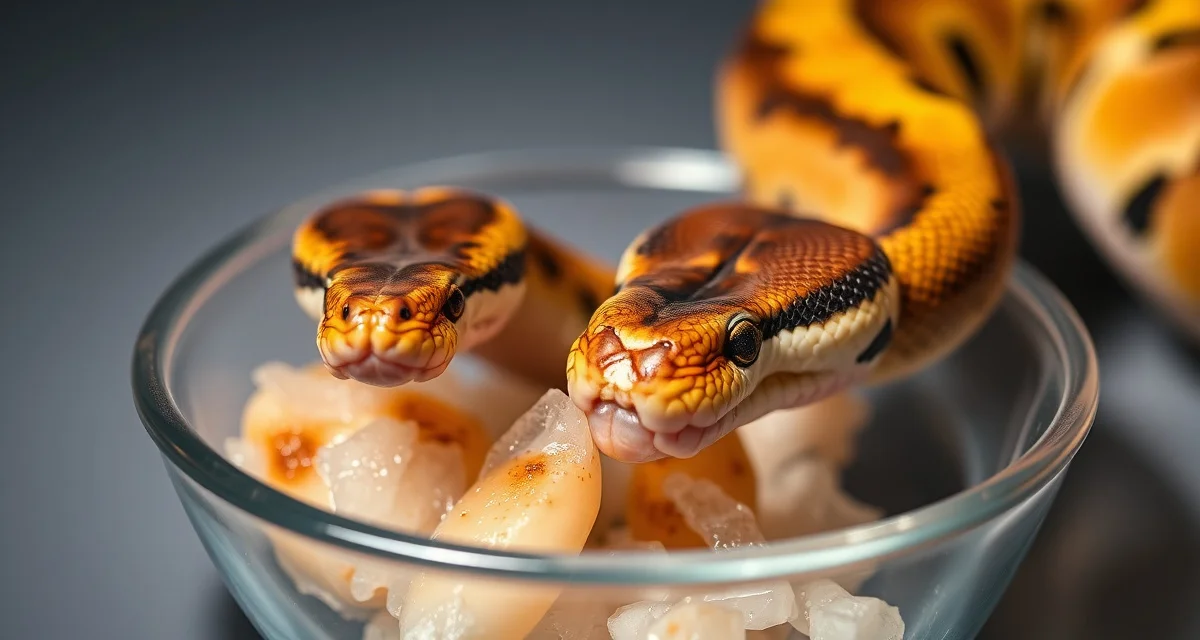
Ball Python Prey Switching: Converting from Live to Frozen/Thawed
By HatchLedger Editorial Team · Published 2025-04-20 · Updated Mar 13, 2026
Breeders using integrated software report 30% less time on administrative tasks, and feeding log management is central to that efficiency. A clear record of which animals are on live versus frozen/thawed, which ones are in the middle of conversion, and how each conversion attempt went makes managing a mixed-diet collection much more practical.
TL;DR
- Ball python breeding operations require systematic record-keeping from pre-season preparation through end-of-season sales.
- Females at 1,200-1,500g or more are the target weight before introducing them to a breeding male.
- Ovulation detection is the key event that anchors pre-lay shed and lay date calculations.
- Clutch profitability guide depends on understanding actual cost basis per animal, not just gross sale revenue.
- Well-documented animals with complete feeding histories and clear genetic records consistently sell faster and at higher prices.
Switching ball pythons from live prey to frozen/thawed is one of the most practically beneficial husbandry improvements you can make. Pre-killed or frozen/thawed prey can't injure your snake, is more convenient to source and store, and is generally less stressful for both the animal and the keeper. The challenge is that ball pythons, known for being stubborn feeders, sometimes resist the switch.
Why Switch to Frozen/Thawed?
Safety: Live prey, particularly rats and adult mice, can and do injure snakes. A prey item left unattended with a snake can cause serious wounds to the face, eyes, and body. These injuries can be severe enough to require veterinary care.
Convenience: Maintaining a supply of frozen feeders is logistically simpler than keeping live colonies or making frequent feeder purchases. Frozen feeders have a long shelf life (6-12 months in a freezer) and can be purchased in bulk.
Availability: Quality frozen feeders are available from numerous online suppliers in consistent sizes. Live feeder availability varies.
Stress reduction: Many ball pythons that show prey-related defensive behavior (striking at the feeder, biting down and refusing to release) settle down considerably on frozen/thawed.
Timing the Switch
The best time to attempt prey conversion is when an animal is young and hasn't yet firmly established a live-prey preference. Hatchlings and juveniles generally convert more easily than adults.
For animals that have been on live prey for years, conversion is possible but may take more patience. The good news is that even highly resistant animals typically convert eventually with consistent, patient technique.
Don't attempt conversion when an animal is:
- In pre-shed (opaque)
- During or immediately after breeding season
- Recovering from illness
- Recently acquired and still settling in
A relaxed, regularly feeding animal is the best candidate for conversion.
The Freshness Trick
The most effective technique for initial conversion: offer the freshest-smelling frozen/thawed prey you can source. Freeze-dried or old-stock frozen feeders have diminished scent and reduced surface temperature retention, both of which trigger feeding responses in ball pythons.
Source high-quality feeders from a supplier you trust. Freeze immediately upon receipt and don't allow freezer burn. Thaw in warm water rather than at room temperature (room-temperature thawing allows bacterial growth and reduces peak surface temperature).
Thawing Technique
Thaw frozen prey in a sealed plastic bag submerged in warm water. Change the water as it cools. The goal is a prey item that reaches approximately 90-95F surface temperature. Use a temp gun to verify.
The warm surface temperature is a notable factor. Ball pythons respond to heat signatures when hunting. A warm prey item triggers the same response as live prey. A cool or room-temperature frozen feeder is much less likely to trigger a feeding response.
Direct Presentation Methods
Tong method: Hold the thawed prey with feeding tongs, positioning it 2-4 inches from the snake's snout. Move it gently to simulate movement. Some snakes strike immediately at this presentation.
Dropping method: Drop the prey near the snake's head or slightly in front of its snout. Works for snakes that prefer to take prey on the ground.
Nose touching: Very gently touch the snake's snout with the prey item to transfer scent. Don't poke or prod; just contact.
Scenting Methods
If direct presentation isn't working, add scent to the frozen/thawed prey to bridge the gap:
Live feeder scent: Rub a live feeder rodent over the thawed prey, then return the live feeder to its housing and offer only the frozen/thawed. The live scent on the frozen prey often triggers a strike.
Braining: Cut a small opening in the skull and rub the blood and brain tissue over the outside of the frozen prey. This provides a potent scent cue.
Bedding scent: Rub the prey in the bedding from a live feeder colony or feeder animal enclosure.
Tuna juice or chicken broth: Some breeders report success rubbing very small amounts of fish or chicken scent on prey items. Use sparingly; you don't want to create a reptile that will try to eat kitchen items.
The Paper Bag Method
Place the snake and the thawed prey item in a small paper bag. Fold the top closed and leave in a warm spot overnight. The confined space and concentrated prey scent often trigger feeding strikes in stubborn snakes.
Check in the morning. If the prey was consumed, great. If not, retrieve both and try again in a few days.
This method works particularly well with snakes that seem interested in the prey but won't commit to striking in an open enclosure.
Cold and Room Temperature Testing
Some individuals who don't respond to warm prey have struck on prey at room temperature. This is less common but worth trying if warm presentations consistently fail.
Documenting the Conversion Process
Track every conversion attempt. Note the date, thawing method, presentation technique, prey temperature, and whether it resulted in a strike. Over several attempts, patterns emerge: does this snake respond better to tong movement or drop presentation? Does it do better with the paper bag?
HatchLedger's feeding logs let you track conversion attempts specifically, with notes fields for technique variation. When you find what works for a particular animal, that information is there for future reference and is visible if you ever sell the animal to another breeder who wants to understand its feeding preferences.
Gradual Transition
For very resistant animals, a gradual transition can work:
- Start by offering live prey in a bag rather than loose in the enclosure
- Switch to pre-killed prey (a freshly killed live feeder)
- Switch to fresh-killed cold (a fresh-killed feeder cooled to room temperature)
- Switch to thawed frozen prey warmed to appropriate temperature
Each step removes one element of the live prey experience. Many snakes accept the full transition over 4-6 weeks using this approach.
When a Snake Simply Won't Convert
Some adult ball pythons, particularly those wild-caught or with years of live prey experience, refuse to convert despite sustained, patient efforts. In these cases:
- Pre-killed prey (freshly killed) is a reasonable middle ground that eliminates injury risk while still meeting the animal's preference for fresh prey scent and temperature
- Evaluate whether conversion attempts are creating more stress than they're worth for this particular animal
There's no shame in keeping an animal on pre-killed if frozen/thawed conversion proves genuinely impossible. The injury-prevention benefit is achieved either way.
The HatchLedger reptile breeder software lets you note each animal's prey type preference in its record, so you never accidentally offer the wrong prey type or forget which animals need special feeding handling.
Frequently Asked Questions
What is the best approach to ball python prey switching from live to frozen/thawed?
Use warm thawed prey at 90-95F (verified with a temp gun), try tong presentation with gentle movement first, and escalate to scenting techniques (braining, live feeder scent transfer) if direct presentation fails. The paper bag method works well for stubborn snakes. Document every attempt so you can identify what presentation style each animal responds to.
How do professional breeders handle ball python prey switching?
Experienced breeders convert hatchlings to frozen/thawed from the first feeding whenever possible, avoiding the live prey habituation that makes adult conversion difficult. For established animals requiring conversion, they maintain detailed feeding logs to track which techniques produce results and build on those systematically.
What records should every reptile breeder maintain per animal?
At minimum: acquisition date and source, morph and genetic documentation, feeding log, weight history, any veterinary treatments, and breeding history including pairing dates, clutch of origin for captive-bred animals, and offspring records. These records serve your own management, buyer documentation, regulatory compliance, and long-term genetic tracking.
How should reptile breeders document genetics for buyers?
A complete genetic record for sale includes the animal's visual morph name, confirmed het genes and their basis (parentage documentation or proven-out production), possible het genes with probability percentages, hatch date, and parent morph information. Including clutch-of-origin records lets buyers independently verify the claims.
What is Ball Python Prey Switching: Converting from Live to Frozen/Thawed?
Ball python prey switching is the process of transitioning your snake from eating live rodents to accepting pre-killed or frozen/thawed prey. Live prey carries risks—rodents can bite and injure snakes during feeding. Frozen/thawed prey eliminates that danger, is easier to store in bulk, and is more convenient to source. Because ball pythons can be stubborn feeders, the switch requires patience and specific techniques to encourage acceptance of the new prey type.
How much does Ball Python Prey Switching: Converting from Live to Frozen/Thawed cost?
Prey switching itself has no direct cost—it's a husbandry technique, not a product. However, buying frozen rodents in bulk is typically more economical than purchasing live prey individually. Startup costs may include a small dedicated freezer for storing frozen mice or rats. Over time, most keepers find frozen prey reduces overall feeding costs while also eliminating expenses associated with sourcing, housing, or transporting live feeder animals.
How does Ball Python Prey Switching: Converting from Live to Frozen/Thawed work?
The conversion process involves presenting a thawed, warmed rodent in a way that mimics live prey. Common techniques include scenting the frozen/thawed prey with live prey bedding, using feeding tongs to simulate movement, offering prey at night when ball pythons are naturally active, and placing the snake in a secure feeding container. Some snakes switch after one or two attempts; others require weeks of gradual conditioning before reliably accepting frozen/thawed meals.
What are the benefits of Ball Python Prey Switching: Converting from Live to Frozen/Thawed?
Frozen/thawed prey cannot bite or scratch your snake, eliminating a common cause of feeding-related injuries. It's easier to store, allowing bulk purchasing and reducing sourcing frequency. Feeding sessions become lower-stress for both keeper and snake. For breeders managing multiple animals, it simplifies feeding schedules and record-keeping. Well-documented feeding histories showing consistent frozen/thawed acceptance can also increase buyer confidence and resale value of animals in a collection.
Who needs Ball Python Prey Switching: Converting from Live to Frozen/Thawed?
Any ball python keeper can benefit from the switch, but it's especially valuable for breeders managing large collections. Tracking which animals accept frozen/thawed prey versus live, and documenting conversion progress across multiple snakes, becomes a significant administrative task at scale. New keepers benefit by establishing safe feeding habits early. Keepers dealing with feeding-related injuries or difficulty sourcing live prey will find the transition particularly worthwhile once their snake accepts the change.
How long does Ball Python Prey Switching: Converting from Live to Frozen/Thawed take?
The timeline varies widely by individual snake. Some ball pythons switch within one or two feeding sessions. Others, particularly those fed live prey for years, may take several weeks to several months of consistent attempts. Younger snakes and those that have fed live prey for a shorter period tend to convert more quickly. Patience is essential—skipping meals during the transition is normal and not immediately harmful, as ball pythons can safely fast for extended periods.
Related Articles
- Ball Python Breeding Waiting Lists: Building and Converting Buyer Demand
- Ball Python Live Feeder Rodent Colony Management for Breeders
Sources
- USARK (United States Association of Reptile Keepers)
- Association of Reptilian and Amphibian Veterinarians (ARAV)
- World of Ball Pythons (WoBP genetics reference database)
- MorphMarket (reptile industry marketplace)
- Reptiles Magazine (Bowtie Inc.)
Get Started with HatchLedger
Every part of a ball python breeding operation -- from pairing records to clutch documentation to financial tracking -- works better when the data is connected rather than scattered across notebooks and spreadsheets. HatchLedger is built for exactly that. Try it free with up to 20 animals.