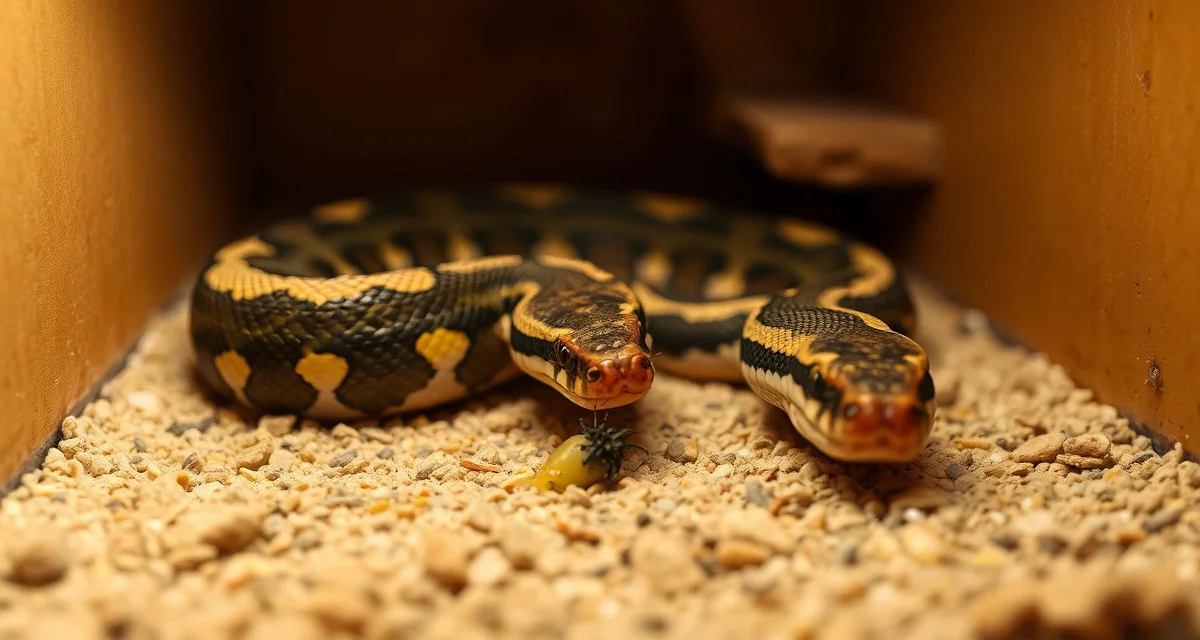
Ball Python Hatchling Feeding: First Meals and Prey Conversion Guide
By HatchLedger Editorial Team · Published 2025-04-19 · Updated Mar 13, 2026
Breeders using integrated software report 30% less time on administrative tasks, and feeding records are the backbone of good hatchling management. A hatchling that eats well from the start grows quickly, sheds reliably, and sells for full value. One that goes on a feeding strike costs you time, stress, and sometimes the animal itself.
TL;DR
- Ball python breeding operations require systematic record-keeping from pre-season preparation through end-of-season sales.
- Females at 1,200-1,500g or more are the target weight before introducing them to a breeding male.
- Ovulation detection is the key event that anchors pre-lay shed and lay date calculations.
- Clutch profitability guide depends on understanding actual cost basis per animal, not just gross sale revenue.
- Well-documented animals with complete feeding histories and clear genetic records consistently sell faster and at higher prices.
Ball python hatchlings are notoriously variable feeders. Some will strike on their very first offer without hesitation. Others make you earn every single meal for the first several months. Understanding the biology, having a systematic approach, and keeping detailed records of what works gives you a real edge.
The First Shed Window
Don't attempt to feed hatchlings before their first shed. The hatchling's digestive system isn't fully prepared for food processing immediately after hatching, and the stress of handling and feeding attempts during this sensitive window often triggers defensive behavior and feeding refusals that persist for weeks.
The first shed typically happens 10-14 days post-hatch. Once the hatchling has shed completely (confirm by checking that the eye caps are out and the shed is complete), it's time to offer the first meal.
Prey Type for First Meals
Frozen/thawed mice are the standard choice for most breeders. A pinky mouse or small hopper mouse is the right size for most hatchlings. The prey item should be roughly the same diameter as the hatchling's head, not larger.
Live prey is sometimes used to trigger feeding strikes in reluctant hatchlings, but it comes with risks: live prey can injure your snake, and once a hatchling learns to associate live movement with food, converting it to frozen/thawed later requires additional work. Start with frozen/thawed unless you have a specific reason to use live.
Thaw prey items in warm water until they reach approximately 90F. Prey that's too cold often gets refused.
The First Feeding Attempt
Use tongs to offer prey, keeping your hands well away from the strike zone. Present the prey by holding it just above the hatchling's head or gently tapping its snout with the prey item. Most hatchlings will either strike immediately or investigate by tongue-flicking before striking.
If there's no response after a few minutes, leave the thawed prey in the enclosure overnight in a covered position (a small deli cup lid works well). Check in the morning. Some hatchlings prefer to eat in darkness and without an audience.
If the hatchling strikes and constricts the prey: success. Don't disturb the snake while it's eating. Let it finish the meal completely before checking on it again.
The 3-Strike Rule
Give yourself three offering attempts before escalating. If a hatchling refuses three times in a row (over 3 separate feeding sessions), it's time to try variations:
- Different temperatures: Slightly warmer prey (up to 95F) or trying at different times of day
- Different presentation: Some hatchlings prefer prey presented in front of their snout rather than dropped from above
- Braining: Cut a small X through the skull of the thawed prey and rub the brain and blood on the outside; the additional scent can trigger a response
- Scenting: Rub the frozen/thawed prey with a feeder rodent or with a prey species more natural to the region (chicken broth, gerbil bedding)
- Paper bag method: Place the hatchling and prey in a small paper bag overnight in a warm spot
Common Causes of Feeding Refusal
Husbandry issues: Check temperatures first. A cool enclosure produces a snake that doesn't want to eat. Verify your hot spot reaches 88-90F and ambient temperatures are 78-82F.
Stress: New hatchlings need time to settle. Try feeding only after the snake has been in its enclosure for 5-7 days without being handled.
Post-shed window: Some hatchlings refuse food immediately before going into shed even after they've established a feeding pattern. Skip the feeding if you notice your hatchling looking opaque.
Wrong prey size: If prey is too large, the snake may investigate but refuse to strike. Size down and try again.
Enclosure issues: Hatchlings need secure hides. If the snake can't find a place to feel hidden, it's in a chronic stress state that makes feeding unlikely.
Logging Feeding Attempts
Recording every feeding attempt, whether successful or refused, is essential for hatchling management. You need to know:
- How many consecutive refusals before the first successful feeding
- What intervention worked (if any)
- Current body weight trend
- Feeding interval once established
This data also matters commercially. A hatchling with 15+ feeding refusals before establishing is worth less to most buyers than one feeding consistently on frozen/thawed. Your records tell you which hatchlings you can sell confidently and which need more work first.
HatchLedger's feeding log features let you track every offer, every refusal, prey type, prey size, and outcome for each animal. When you're managing 50 hatchlings from a single season, this log prevents mistakes like accidentally missing a hatchling for three weeks.
Establishing a Feeding Schedule
Once a hatchling is eating reliably, establish a consistent schedule. For hatchlings and juveniles:
- Ages 0-6 months: Every 5-7 days
- Ages 6-12 months: Every 7-10 days
- Subadults (1-2 years): Every 10-14 days
Consistent feeding at regular intervals helps the snake develop reliable hunger cycles. Irregular feeding often produces inconsistent feeding responses.
Track weight at every feeding or every other feeding. A hatchling gaining 10-15% of its body weight per month is on a good growth trajectory. A hatchling not gaining or losing weight despite accepting food indicates a health issue worth investigating.
Prey Conversion for Hatchlings Raised on Live
If you're working with hatchlings that were started on live prey, conversion to frozen/thawed follows the same general approach as adults but is usually easier because hatchlings haven't had as long to develop fixed habits.
Use the freshest-smelling thawed prey you can find, offer it at peak temperature, and use the paper bag method if direct offerings aren't working. Most hatchlings convert within 3-5 attempts.
When a Hatchling Won't Eat Despite Your Best Efforts
Some hatchlings have underlying health issues: mouth rot, parasites, stuck sheds affecting the throat, or congenital problems. If a hatchling has refused food consistently for 30-45 days after hatching, has lost weight noticeably, or appears otherwise unwell, a reptile veterinarian visit is warranted.
Check the hatchling's mouth for any redness, swelling, or mucus. Check for mites or other parasites. Verify the hatchling has no retained sheds, particularly around the eyes, that might be causing discomfort.
Tracking weight data in HatchLedger's reptile breeder software makes it easy to catch hatchlings that are declining before the situation becomes urgent.
Frequently Asked Questions
What is the best approach to ball python hatchling feeding and first meals?
Wait for the first shed (10-14 days post-hatch) before attempting the first feeding. Offer thawed pinkies or small hoppers at approximately 90F using tongs. If the snake doesn't respond immediately, leave prey overnight in the enclosure. If refusals continue after three attempts, try braining prey, adjusting temperature, or the paper bag method before escalating to veterinary assessment.
How do professional breeders handle ball python hatchling feeding?
Experienced breeders maintain feeding logs for every hatchling from the first offering, track weight at each feeding to monitor growth curves, and have a systematic escalation protocol for feeding refusals. They also use feeding records commercially, being able to show buyers exactly how many consecutive feedings a hatchling has accepted and its growth trajectory.
What records should every reptile breeder maintain per animal?
At minimum: acquisition date and source, morph and genetic documentation, feeding log, weight history, any veterinary treatments, and breeding history including pairing dates, clutch of origin for captive-bred animals, and offspring records. These records serve your own management, buyer documentation, regulatory compliance, and long-term genetic tracking.
How should reptile breeders document genetics for buyers?
A complete genetic record for sale includes the animal's visual morph name, confirmed het genes and their basis (parentage documentation or proven-out production), possible het genes with probability percentages, hatch date, and parent morph information. Including clutch-of-origin records lets buyers independently verify the claims.
What is Ball Python Hatchling Feeding: First Meals and Prey Conversion Guide?
Ball Python Hatchling Feeding: First Meals and Prey Conversion Guide is a comprehensive resource for reptile breeders covering how to successfully feed newborn ball pythons. It walks through the critical first shed window, initial prey offerings, and strategies for converting reluctant feeders. The guide emphasizes systematic record-keeping to track feeding responses, identify patterns, and make data-driven decisions that improve hatchling health, growth rates, and overall collection management.
How much does Ball Python Hatchling Feeding: First Meals and Prey Conversion Guide cost?
This guide is free educational content published on HatchLedger. There is no purchase required to access the feeding strategies, prey conversion techniques, or record-keeping advice covered in the article. HatchLedger also offers breeding management software tools that complement this content by helping breeders log feeding records digitally, with users reporting up to 30% reduction in time spent on administrative tasks.
How does Ball Python Hatchling Feeding: First Meals and Prey Conversion Guide work?
The guide works by breaking hatchling feeding into manageable phases: waiting for the first shed, making the initial prey offer, troubleshooting refusals, and gradually converting snakes to preferred prey items. It provides actionable techniques for each stage, explains the biology behind feeding behavior, and shows how consistent documentation of what works accelerates success across your entire hatchling group over successive breeding seasons.
What are the benefits of Ball Python Hatchling Feeding: First Meals and Prey Conversion Guide?
Key benefits include faster hatchling establishment, reduced feeding strikes, and better growth rates. Well-fed hatchlings shed reliably, reach sellable weight sooner, and command full market value. Detailed feeding histories also make animals easier to sell, as buyers gain confidence from documented records. Breeders gain systematic frameworks that reduce guesswork, lower stress, and improve profitability per clutch by minimizing losses from prolonged feeding refusals.
Who needs Ball Python Hatchling Feeding: First Meals and Prey Conversion Guide?
This guide is essential for ball python breeders at any experience level who produce hatchlings and want to maximize their survival and sale value. It is especially valuable for hobbyist breeders scaling up their operations, professional breeders managing large clutch volumes, and anyone who has struggled with feeding strikes. If you track genetics and sales but lack structured feeding protocols, this guide directly addresses that gap in your operation.
How long does Ball Python Hatchling Feeding: First Meals and Prey Conversion Guide take?
The time investment varies by hatchling. Some ball pythons feed on their very first offer immediately after their first shed, requiring minimal intervention. Others may require weeks or months of troubleshooting before establishing as reliable feeders. The guide helps you identify early which animals need intervention and which techniques to try first, compressing the conversion timeline and reducing the total hours spent managing problem feeders across a season.
Related Articles
- Ball Python Cinnamon Morph Breeding Guide: Genetics, Combos, and What to Expect
- Ball Python Clown Morph Breeding Guide: Recessive Genetics and Top Combos
Sources
- USARK (United States Association of Reptile Keepers)
- Association of Reptilian and Amphibian Veterinarians (ARAV)
- World of Ball Pythons (WoBP genetics reference database)
- MorphMarket (reptile industry marketplace)
- Reptiles Magazine (Bowtie Inc.)
Get Started with HatchLedger
Every part of a ball python breeding operation -- from pairing records to clutch documentation to financial tracking -- works better when the data is connected rather than scattered across notebooks and spreadsheets. HatchLedger is built for exactly that. Try it free with up to 20 animals.