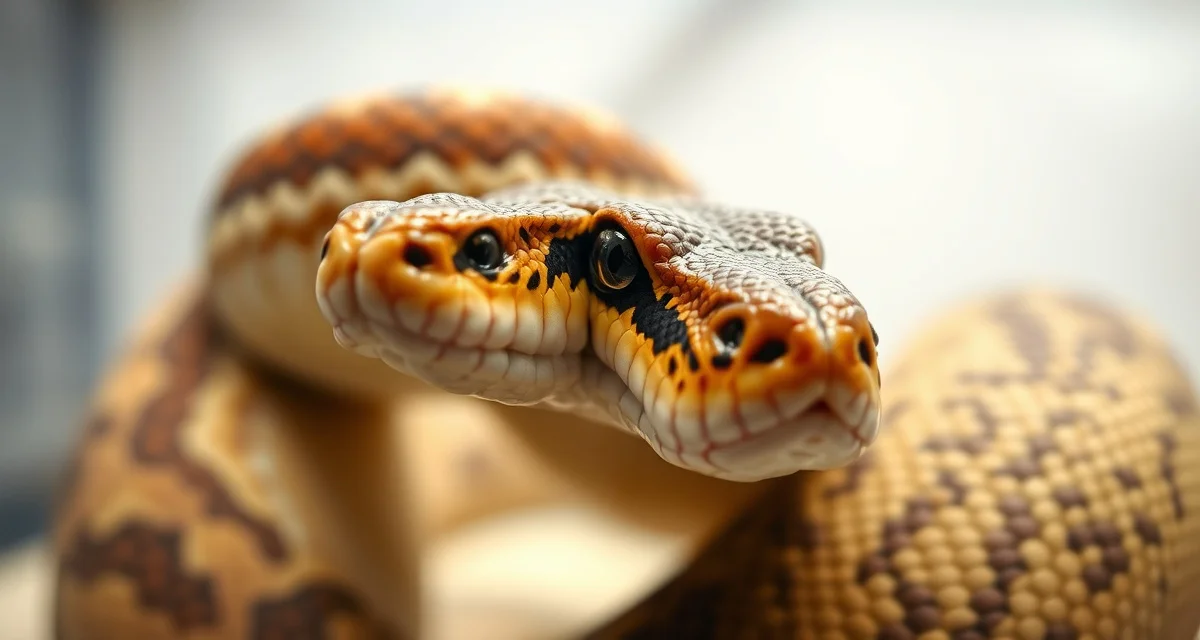
Boa Constrictor Common Health Issues: Complete Breeder Guide
By HatchLedger Editorial Team · Published 2025-02-27 · Updated Mar 13, 2026
Boa constrictors are generally hardy animals, but a breeding collection sees more health events than a single-animal household. The combination of multiple animals in close proximity, the physical demands of breeding and gestation on females, and the stress of managing large neonate cohorts creates more opportunities for health problems to develop and spread. Breeders using integrated software report 30% less time on administrative tasks, which means more time for the daily observation that catches health issues before they escalate.
TL;DR
- Boa constrictors are viviparous (live-bearing), with gestation lasting 5-8 months depending on subspecies and husbandry conditions.
- Seasonal cycling typically starts in October with a 5-10 degree Fahrenheit temperature reduction and reduced photoperiod.
- Litter sizes average 15-25 neonates for Boa constrictor imperator, though some localities and true red-tails average smaller litters.
- Confirming pregnancy in boas is subtler than in ball pythons and often requires close behavioral observation or portable ultrasound.
- Logging every pairing date and gestation-period observation gives you the data to accurately predict birth windows and prepare appropriate neonate housing.
Most boa health problems are manageable when caught early. The animals that end up seriously ill in a breeding collection are usually the ones whose early signs were missed because no one was paying close attention.
Respiratory Infections
Respiratory infections are the most common health issue in captive boas. Signs include wheezing or gurgling when breathing, mucus at the mouth or nares, open-mouth breathing, and lethargy. Mild cases sometimes resolve with husbandry correction alone -- raising temperatures, reducing humidity from excessively damp conditions, and improving ventilation. Moderate to severe cases require veterinary treatment with antibiotics.
Prevention focuses on maintaining appropriate temperatures and ventilation. Boas kept too cool (below 75F ambient for extended periods) are at substantially higher risk. Wet substrate with poor air circulation creates bacterial growth that can lead to respiratory infection. Animals stressed by frequent handling, improper housing, or other health conditions are also more susceptible.
When you treat a boa for a respiratory infection, log the diagnosis, treatment protocol, and recovery timeline. If an animal has multiple respiratory infections over time, that pattern might indicate a structural husbandry problem in that specific enclosure.
Mites
Snake mites (Ophionyssus natricis) are a significant problem in boa collections. They're tiny, fast-moving external parasites that feed on the snake's blood. Signs include: visible small dark specks moving on the snake's skin (especially around eyes and under scales), the snake soaking in its water dish more than usual, excessive scale-lifting behavior, and small mite bodies visible in the water dish.
Treatment must address both the animal and the entire enclosure environment. Mites can live in substrate, enclosure seams, and equipment. Remove and replace all substrate, clean and disinfect the enclosure thoroughly, and treat the animal per your vet's recommendation or with an appropriate product like Nix (permethrin) diluted properly. All animals in the affected room should be inspected and treated if necessary.
Never move animals from a mite-infested area to other areas until treatment is complete. Mites spread rapidly through a collection and are vectors for inclusion body disease.
Inclusion Body Disease (IBD)
IBD is caused by an arenavirus and remains the most feared disease in boa collections because there's no cure. Neurological symptoms are the hallmark: star gazing (head tilted persistently upward), inability to right when turned upside down, persistent holding of the body in abnormal positions, and in advanced cases, seizure-like activity. Animals may also show regurgitation, respiratory symptoms, and progressive weakness.
If you suspect IBD in any animal, isolate it immediately with completely separate tools and gloves. Contact a reptile vet for testing and guidance. Currently diagnosed animals are typically euthanized to prevent spread, though this is ultimately an owner decision made in consultation with a vet.
Prevention is the only effective strategy: strict quarantine for all new acquisitions, aggressive mite management (mites are transmission vectors), and separate equipment for different collection areas.
Retained Sheds
Incomplete sheds can cause significant problems in boas if not addressed promptly. Retained shed on the eye caps (spectacles) interferes with vision and can cause corneal damage if left for multiple shed cycles. Retained shed on the tail tip can constrict blood flow and cause tail tip necrosis.
When a boa completes a shed that's clearly incomplete (coming off in multiple pieces or with obvious retained areas), give the animal a 20-30 minute soak in shallow warm water (85-90F), then gently rub a damp washcloth along the body in the direction of scale overlap to loosen retained skin. Eye caps should be addressed by your vet if they don't release easily.
Log all retained shed events with date and location of retention. Frequent shedding problems often trace back to inadequate humidity in the enclosure.
Regurgitation
Occasional regurgitation happens in any collection, but repeated regurgitation is a serious warning sign. Causes include: feeding prey that's too large, handling the animal too soon after feeding, exposure to temperature extremes after feeding, respiratory infection, parasites, IBD, or other internal health problems.
After a regurgitation event, wait two weeks before offering prey again. Offer a smaller prey item than usual. If regurgitation recurs, consult a vet before feeding again. Log all regurgitation events with date and any known antecedents.
HatchLedger tracks health events for every animal, so regurgitation history, respiratory infection episodes, and mite treatments all stay in the permanent record. This gives you and your vet a complete picture when investigating recurring health issues.
HatchLedger connects health costs to individual animal P&L so you can see the real cost of maintaining specific animals in your collection.
Frequently Asked Questions
What is the best approach to boa constrictor health issue prevention?
Prevention centers on consistent husbandry: appropriate temperatures and humidity, good ventilation, appropriate enclosure sizing, and strict biosecurity for new acquisitions. Daily observation is non-negotiable -- you need to see your animals often enough to catch behavioral and physical changes before they become serious problems. Maintain a mite-free environment, quarantine all new animals, and keep health records for every animal so you and your vet have context when a problem arises.
How do professional breeders handle boa constrictor common health issues?
Professional breeders catch health problems early because they observe animals consistently and know what normal looks like for each individual. When they identify a health issue, they have clear records showing when symptoms first appeared, what husbandry conditions the animal was in, and any recent changes. This context dramatically speeds up diagnosis and treatment. They also track health costs per animal so they can make informed decisions about whether the ongoing expense of treating a specific animal is justified by that animal's breeding value.
What software helps manage boa constrictor health records?
HatchLedger is purpose-built for reptile breeders, connecting animal records, breeding history, clutch outcomes, and financial tracking in one system. Unlike generic spreadsheets, it's designed around the specific workflow of an active breeding season. Free for up to 20 animals.
How do you sex boa constrictor neonates?
Boa constrictor neonates can be sexed by probing or by popping, both of which should be performed by an experienced keeper to avoid injury. Males typically probe to 4-8 subcaudal scales and females probe to 2-3. Recording sex in your records at birth is important for accurate inventory and sales documentation.
How long does it take a boa constrictor to reach breeding weight?
Most B. c. imperator females reach breeding weight (typically 3,000-5,000g depending on locality) at 3-4 years under good feeding conditions. True red-tailed boas (B. c. constrictor) grow larger and may take 4-5 years. Males of most localities are ready to breed at 18-24 months.
Can boa constrictors produce back-to-back litters in consecutive years?
Most experienced breeders rest females for a full season after a large litter to allow proper body condition recovery. A female that drops significant weight during a long gestation needs adequate recovery time before the next breeding cycle. Tracking body weight before and after gestation is the best guide.
What is Boa Constrictor Common Health Issues: Complete Breeder Guide?
This is a comprehensive resource covering the most common health challenges boa constrictor breeders face, including respiratory infections, parasites, reproductive complications, and neonate care issues. It addresses how breeding collections differ from single-animal households, where close animal proximity, breeding stress, and large litter management create elevated health risks. The guide helps breeders identify, prevent, and respond to health events effectively.
How much does Boa Constrictor Common Health Issues: Complete Breeder Guide cost?
The guide is free editorial content published on HatchLedger. There is no purchase required to access the article. HatchLedger offers breeding management software separately, which breeders can use to log health observations, track pairings, and monitor gestation timelines — helping catch health issues earlier through consistent record-keeping.
How does Boa Constrictor Common Health Issues: Complete Breeder Guide work?
The guide walks breeders through the health issues most likely to appear in a boa collection, explains the conditions and husbandry factors that contribute to them, and provides practical identification and response steps. It covers both individual animal health and collection-level disease management, with emphasis on daily observation habits and record-keeping as core prevention tools.
What are the benefits of Boa Constrictor Common Health Issues: Complete Breeder Guide?
Breeders gain a structured framework for recognizing health problems before they escalate across a collection. Key benefits include earlier detection of respiratory and reproductive issues, better understanding of gestation-related stress in females, improved neonate cohort management, and reduced administrative burden when paired with tracking software — freeing up more time for the hands-on observation that prevents costly health events.
Who needs Boa Constrictor Common Health Issues: Complete Breeder Guide?
This guide is written for boa constrictor breeders managing multiple animals, particularly those working with breeding pairs and seasonal litter cohorts. It is most relevant to hobbyist and professional breeders who handle gestation management, neonate care, and collection biosecurity. Keepers with a single pet boa may also find it useful, but the focus is on the elevated health demands of active breeding programs.
Related Articles
- Carpet Python Common Health Issues: Complete Breeder Guide
- Corn Snake Common Health Issues: Complete Breeder Guide
- Green Tree Python Common Health Issues: Complete Breeder Guide
- Kingsnake Common Health Issues: Complete Breeder Guide
Sources
- USARK (United States Association of Reptile Keepers)
- Association of Reptilian and Amphibian Veterinarians (ARAV)
- Herpetologica (Herpetologists League)
- Reptiles Canada Magazine
- World Animal Protection
Get Started with HatchLedger
Boa constrictor breeding involves months of gestation monitoring, pairing records, and litter documentation that is difficult to track reliably across multiple females using notebooks or generic spreadsheets. HatchLedger gives you a single connected system for all of it, from cycling start through neonate sale. Try it free with up to 20 animals.