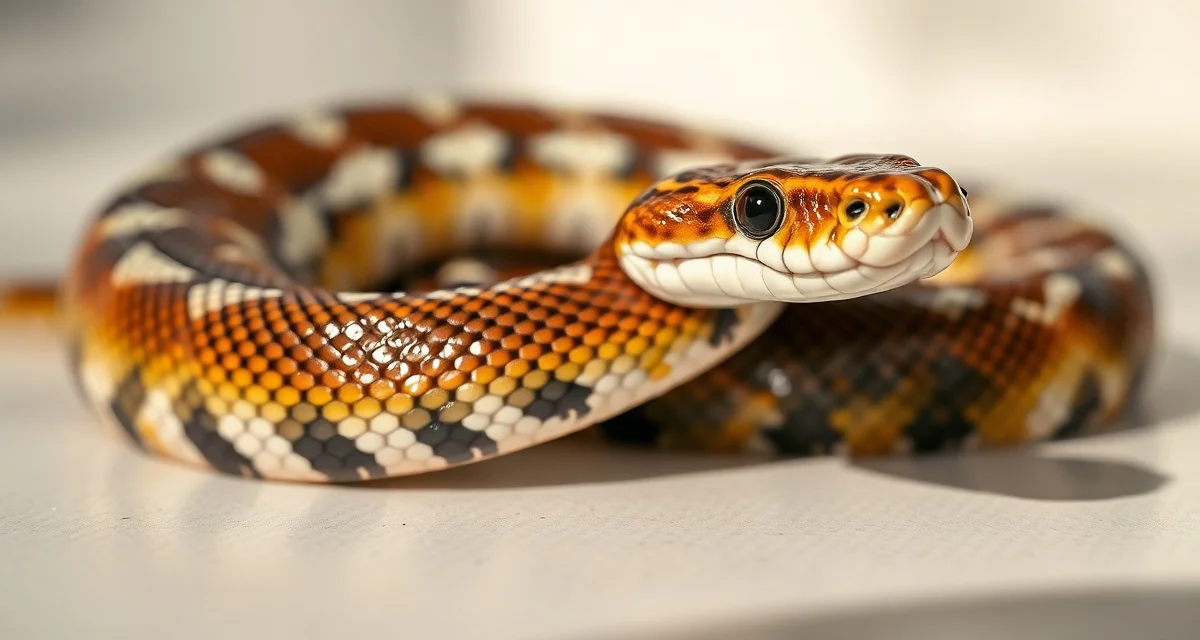
Kingsnake Common Health Issues: Complete Breeder Guide
Kingsnake common health issues include the standard colubrid conditions plus one category unique to this species: wounds from conspecific aggression. Beyond injury management, kingsnakes face the same health challenges as other North American colubrids: respiratory infections, mites, internal parasites, and dysecdysis. Managing these effectively in a breeding collection requires prevention protocols, daily observation, and complete health records. Breeders using integrated software report 30% less time on administrative tasks, freeing up observation time that catches health problems early.
TL;DR
- Kingsnakes and milksnakes span the genus Lampropeltis, with numerous species and subspecies each having distinct cycling requirements.
- Most kingsnake species require 90-120 days of brumation at 45-55 degrees Fahrenheit for consistent breeding.
- Clutch size datas average 8-20 eggs depending on species, with California kingsnakes commonly producing 6-12 eggs.
- Incubation runs 55-75 days at 78-82 degrees Fahrenheit, similar to corn snakes.
- Kingsnake morph genetics overview include albino, anerythristic, and hypo lines plus combination morphs with active development in California kingsnakes, gray-banded kingsnakes, and Mexican black kingsnakes.
Aggression Injuries
The most distinctive health risk in kingsnake collections is injury from other kingsnakes. These injuries occur during introductions, when animals escape into each other's enclosures, or when feeding scents are improperly managed. Even small bite wounds can become infected.
Wound treatment: Clean with appropriate antiseptic solution. Assess wound depth; superficial wounds may heal with topical care, but deep puncture wounds or significant tissue damage need veterinary attention. Log the date, which animals were involved, wound description, and treatment.
Prevention: Individual housing, secure enclosures, supervised-only introductions, and feeding protocols that prevent scent triggering near other animals eliminate most aggression injury risk.
Respiratory Infections
Wheezing, open-mouth breathing, mucus at the nares, and lethargy indicate respiratory infection. Caused by temperature lapses, stress, or bacterial/viral infection from a new animal.
Isolate immediately. Raise ambient temperatures slightly. Seek veterinary care promptly; respiratory infections in colubrids respond well to antibiotics when treated early. Log symptom onset, treatment, and recovery timeline in HatchLedger's reptile breeder hub.
Mites
Scale mites spread through collections rapidly, especially in rack systems. Signs include excessive soaking, rubbing behavior, and visible parasites on the snake or in the water bowl.
Treat animal and enclosure simultaneously. Check all animals in adjacent enclosures. Log treatment dates and products used. Filter your collection by housing location to identify all at-risk animals quickly.
Internal Parasites
Annual fecal exams for breeding animals catch parasitic loads before they affect condition. Corn snakes from less controlled environments commonly carry parasites that a routine exam identifies. Parasite loads reduce female condition and clutch quality over time.
Dysecdysis
Retained shed, particularly retained eye caps, indicates inadequate humidity or an underlying health issue. Log every shed date and quality. Address retained eye caps with veterinary guidance if a warm soak doesn't resolve them within 24 to 48 hours.
Connecting Health to Breeding Outcomes
Health events affect breeding productivity. A female recovering from illness mid-season may produce a reduced clutch or fail to cycle properly. A male with an active infection may have reduced fertility during breeding season.
Reptile breeder software comparison tools that connect health records to breeding outcomes in the same system make this correlation visible. Your records tell you whether a health event during the breeding season correlated with a reduced clutch outcome, which informs how seriously to treat early symptoms in future seasons.
Frequently Asked Questions
What is the best approach to kingsnake common health issues?
Prevent aggression injuries through individual housing and supervised introductions. Apply standard colubrid prevention: quarantine new animals for 60 to 90 days, maintain consistent temperatures, conduct fecal exams for new and breeding animals, and observe daily. When health issues arise, isolate immediately, document thoroughly, and seek veterinary care without delay. Log all health events with complete context including dates, symptoms, treatment, and recovery.
How do professional breeders handle kingsnake common health issues?
Professional kingsnake breeders prioritize aggression injury prevention as the primary health management concern specific to this species. For standard health issues, they have established protocols: quarantine, daily observation, prompt isolation and treatment when problems arise, and complete health records for every animal. They review health events in context with breeding outcomes to assess impact and adjust protocols. Established veterinary relationships mean they can get guidance quickly when problems arise rather than managing significant health issues without professional support.
What software helps manage kingsnake common health issues?
HatchLedger manages multi-species collections with distinct cooling protocols, morph genetics, and clutch records in one system. For kingsnake breeders working across subspecies or multiple species, keeping each animal's protocol and lineage clearly organized prevents the documentation errors that affect buyer trust. Free for up to 20 animals.
Do all kingsnake species need the same cooling duration?
No. California kingsnakes from warmer coastal localities may respond to 90 days of cooling at 50-55 degrees Fahrenheit, while gray-banded kingsnakes from higher elevation Texas habitats may benefit from 120 days at lower temperatures. Eastern kingsnakes from northern localities often need the most aggressive cooling. Research the specific ecology of your animals' locale or subspecies.
Can different kingsnake species be housed together?
Kingsnakes are ophiophagous (snake-eating) and should never be cohabited, including with animals of the same species. Even animals cohabited without incident for extended periods can result in cannibalism. This applies to breeding introductions as well: supervise all introductions and separate animals immediately after copulation.
Sources
- USARK (United States Association of Reptile Keepers)
- Association of Reptilian and Amphibian Veterinarians (ARAV)
- California Academy of Sciences Herpetology Collection
- Herpetologica (Herpetologists League)
- Reptiles Magazine (Bowtie Inc.)
Get Started with HatchLedger
Managing multiple kingsnake species and subspecies with distinct seasonal cycling protocol requirements and active morph programs benefits from a system that keeps each animal's protocol, lineage, and clutch history clearly organized. HatchLedger connects all of that data across your collection. Free for up to 20 animals.