Hatchling Pipeline Tracking for Reptile Breeders
By HatchLedger Editorial Team · Published 2025-02-25 · Updated Mar 13, 2026
Your hatchling pipeline is the forward-looking view of what's coming out of your incubators over the next weeks and months. Knowing what's in the pipeline at each stage lets you manage buyer expectations, plan inventory for sales season, and make better purchasing and production decisions.
Why Pipeline Visibility Matters
Breeders who don't track the pipeline often face two problems: announcing animals they don't have yet and disappointing buyers when something goes wrong in incubation, or having animals ready to sell with no buyer pipeline because they didn't start marketing early enough.
Pipeline tracking solves both. When you know what eggs are in incubation, when they're expected to hatch, what genetics they'll likely contain, and how many hatchlings you can expect, you can start building a buyer list before the animals emerge.
Pipeline Stages and What to Track
Stage 1: Eggs in incubation
- Clutch ID and lay date
- Expected pip date (lay date + 55-65 days for ball pythons)
- Number of fertile eggs
- Expected morph breakdown (based on parent genetics)
- Parent IDs and genetic documentation
Stage 2: Pipped and hatching
- Actual pip date vs. expected
- Hatchling count as animals emerge
- Any dead-in-egg or problem eggs
Stage 3: Post-hatch, pre-feeding
- Animals awaiting first shed
- Expected first feeding window (hatch date + 10-14 days)
Stage 4: Establishing feeders
- Animals in active feeding establishment
- Attempt count and current status
- Expected ready-to-list date
Stage 5: Available
- Animals meeting feeding establishment criteria
- Listed on sales platforms
- Active buyer inquiries and holds
Stage 6: Sold/shipped
- Animals out of inventory
Forecasting From the Pipeline
Using pipeline data, you can forecast:
Inventory timing: If you have 3 clutches in incubation with expected pip dates in weeks 6, 8, and 10, you know you'll have a wave of available animals hitting your sales list starting around week 10-12 after feeding establishment.
Revenue timing: If your average time from listing to sale is 3 weeks, and your first clutch hits available status on November 1, you can project the majority of revenue from that clutch arriving in November and December.
Buyer communication: When buyers on your waitlist ask when animals will be available, you can give a realistic window based on incubation timeline and grow-out period rather than guessing.
Connecting Pipeline to Waitlists
Pre-selling animals before they hatch is common for high-demand morphs. Buyers want specific morphs, and popular morphs from known producers sell quickly. A waitlist connected to your pipeline lets you:
- Take deposits on specific morph outcomes from clutches currently in incubation
- Communicate expected availability dates based on actual incubation timeline
- Alert waitlisted buyers when animals become available
This requires honesty about uncertainty: eggs sometimes fail, morph percentages don't always hit expected ratios, and hatchlings sometimes turn out to be different morphs than anticipated. Communicate this clearly when taking pre-hatch deposits.
Season-Level Pipeline View
At any point in the breeding season, a season-level pipeline view shows you:
- Total eggs in incubation across all active clutches
- Total hatchlings in grow-out across all hatched clutches
- Total animals available for sale
- Total sold
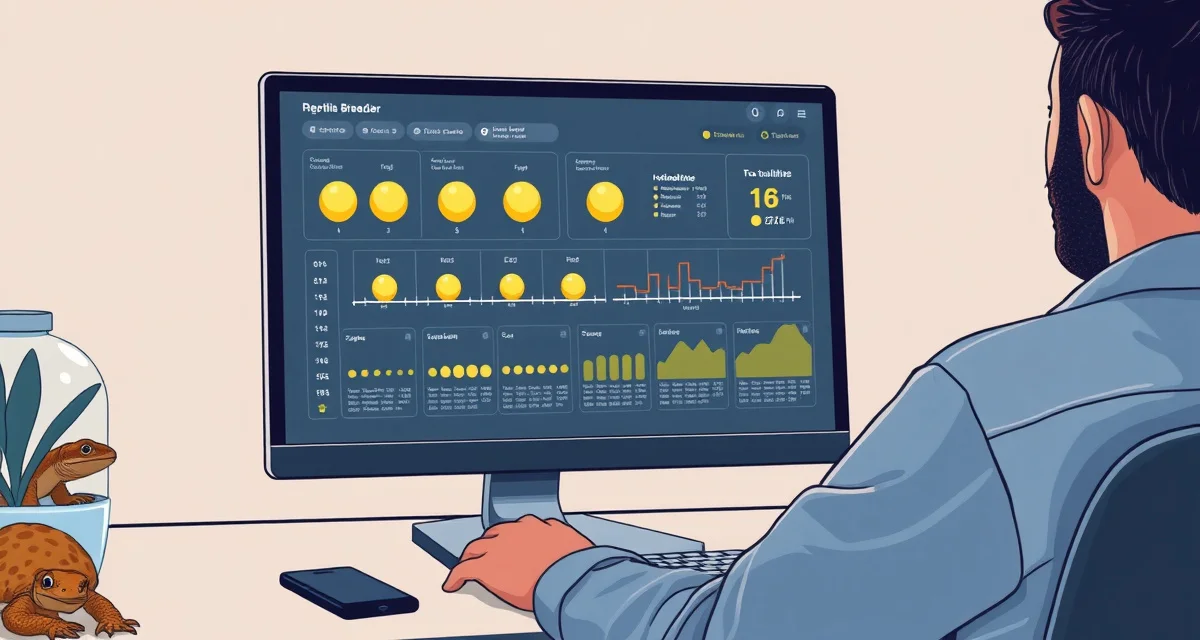
This dashboard tells you how the season is tracking against expectations and where your attention is needed. HatchLedger's pipeline view connects your clutch hatch tracking data with your hatchling inventory tracking to give you this visibility automatically as you log events throughout the season.
FAQ
What is Hatchling Pipeline Tracking for Reptile Breeders?
Hatchling pipeline tracking is a system reptile breeders use to monitor eggs and hatchlings from incubation through sale-ready status. It gives you a forward-looking view of what animals are coming, when they'll emerge, what genetics they'll express, and how many to expect. This lets you manage buyer relationships, plan marketing, and make smarter production decisions before animals even hatch.
How much does Hatchling Pipeline Tracking for Reptile Breeders cost?
HatchLedger offers hatchling pipeline tracking as part of its breeder management platform. Pricing varies by plan tier, but core tracking features are available on entry-level plans designed to be accessible for hobbyist and small-scale breeders. Visit HatchLedger's pricing page for current plan details. Many breeders find the cost offsets itself quickly by reducing unsold inventory and missed sale opportunities.
How does Hatchling Pipeline Tracking for Reptile Breeders work?
You log each clutch when eggs are laid, entering the lay date, parent IDs, fertile egg count, and expected morph breakdown. The system calculates expected hatch windows and tracks each stage: incubation, pipping, post-hatch, and feeding status. As animals progress, you update records so your pipeline view always reflects current inventory and upcoming availability.
What are the benefits of Hatchling Pipeline Tracking for Reptile Breeders?
Pipeline tracking helps you start marketing before animals hatch, avoiding the twin pitfalls of overselling unhatched stock or missing sales because buyers weren't lined up. You can set accurate buyer expectations, reduce holdback periods, optimize feeding schedules, and make data-driven decisions about next season's pairings based on hatch rates and morph outcomes.
Who needs Hatchling Pipeline Tracking for Reptile Breeders?
Any reptile breeder producing animals for sale benefits from pipeline tracking, but it's especially valuable for ball python, boa, and colubrid breeders managing multiple clutches with complex genetics. If you're juggling more than a few clutches per season or selling to repeat buyers who expect advance notice on availability, structured pipeline visibility becomes essential.
How long does Hatchling Pipeline Tracking for Reptile Breeders take?
Setup takes minutes per clutch — just enter lay date, parent IDs, egg count, and expected genetics. The ongoing time investment is minimal: a few updates as eggs pip, hatchlings emerge, and feeding begins. The payoff is a real-time pipeline view you'd otherwise have to maintain manually in spreadsheets, saving significant time during busy hatching seasons.
What should I look for when choosing Hatchling Pipeline Tracking for Reptile Breeders?
Look for a system that tracks all pipeline stages from lay to first feed, supports genetic documentation and morph probability, calculates expected hatch dates automatically, and integrates with sales and buyer management. Ease of use matters during hectic hatching seasons. HatchLedger is purpose-built for reptile breeders, so it handles species-specific incubation windows and morph genetics natively.
Is Hatchling Pipeline Tracking for Reptile Breeders worth it?
Yes, for any breeder selling hatchlings seriously. Disorganized pipeline management leads to real financial losses: disappointed buyers, animals sitting too long before finding homes, and missed presale opportunities. Breeders who track their pipeline consistently report better buyer retention, fewer unsold animals at season end, and clearer insight into which pairings are most profitable season over season.