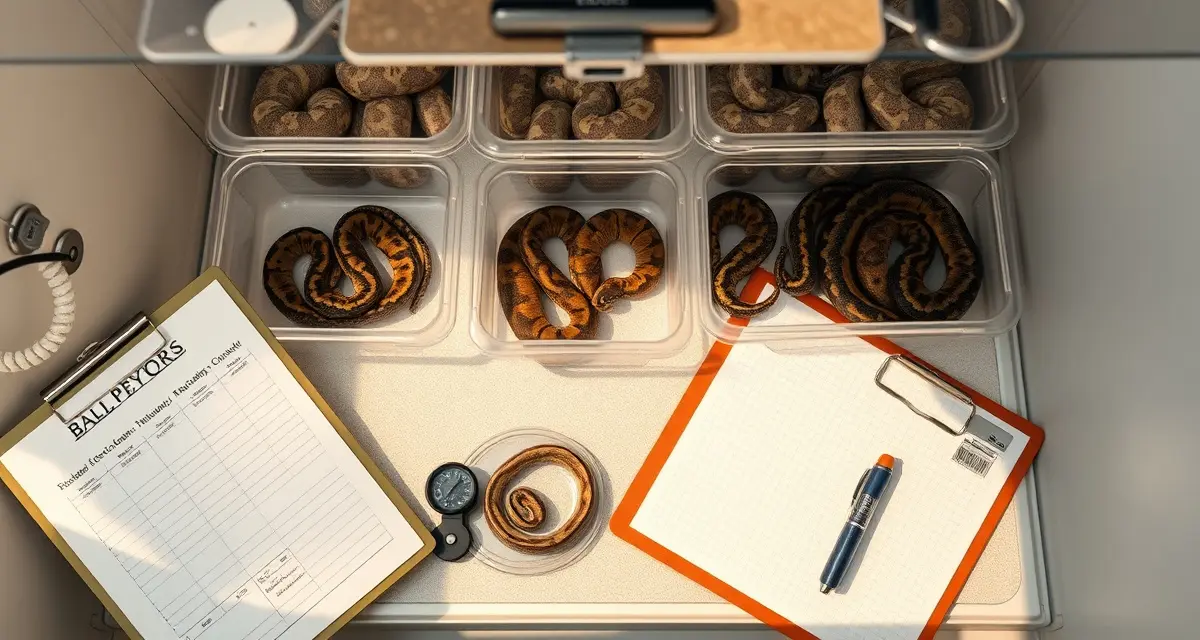
Hatchling Grow-Out Tracking for Reptile Breeders
By HatchLedger Editorial Team · Published 2025-02-07 · Updated Mar 13, 2026
The grow-out phase is the period between hatch and first sale. For ball pythons, this typically spans 4-16 weeks depending on whether you're selling neonates or larger juveniles. For other species, the timeline varies considerably. Systematic grow-out tracking helps you manage this phase efficiently, catch health problems early, and produce animals you can sell with confidence.
The Grow-Out Milestones
Each hatchling passes through defined milestones on the way from hatch to ready-to-sell status. Track them explicitly:
Hatch date: When the animal fully emerged from the egg.
First shed date: First shed typically occurs 7-14 days post-hatch. This is the trigger for first feeding attempts.
First meal date and prey type: The day the animal accepted its first meal. Record what worked.
Established feeding status: The date the animal achieved your minimum standard (typically 3-5 consecutive accepted meals). This is when the animal can be listed for sale.
Prey size progression milestones: When prey size was upgraded, with corresponding weights.
Health events: Any respiratory symptoms, mites, feeding complications, or other health events with treatment and resolution.
Morph confirmation: When morph identity was confirmed visually (some morphs are clearer at hatch; others take weeks to fully express).
Sale date: When the animal left your care.
Housing Grow-Out Hatchlings
Most production breeders house ball python hatchlings in small deli cups (32-64 oz) or small rack tubs (1.5-6 qt) with a hide, water dish, and substrate. The enclosed space reduces stress and encourages feeding by limiting the amount of space a prey item can be avoided.
Document enclosure size and type for each cohort. If one group of hatchlings from the same clutch feeds better than another, and the only variable is housing, that's information worth having for next season.
Monitoring Growth Rates
Weigh hatchlings at consistent intervals. Monthly weights are adequate for healthy hatchlings that are feeding well. For problem feeders or animals with health concerns, weigh every 2 weeks.
Ball python hatchling growth benchmarks as general guidelines:
- At hatch: 60-90g typically
- 3 months: 100-150g (well-fed)
- 6 months: 200-350g (well-fed)
Significant deviation below these ranges in animals that appear to be eating may indicate health issues. Animals tracking well above these ranges are doing exceptionally well.
Your hatchling weight tracking records over multiple seasons will tell you what growth rates your program typically produces, which is more useful than population averages.
Managing a Large Cohort
When 8 clutches hatch within a few weeks of each other, you can have 40-50+ hatchlings in grow-out simultaneously. Keeping them organized is non-trivial. Label every enclosure clearly with:
- Animal ID
- Date hatched
- Parent genetics (abbreviated)
- Current morph designation
Random labeling fails quickly. Use a consistent system and make sure it's legible. HatchLedger generates animal IDs automatically and lets you track status across an entire cohort from a dashboard view, which is how you manage 50 hatchlings without losing track of who's eating and who isn't.
Knowing When to List
Don't list hatchlings before they're eating consistently. This creates buyer frustration and potential return requests. The standard minimum of 3 consecutive F/T meals before listing is widely accepted in the hobby.
Some breeders wait for 6-8 weeks of consistent feeding, particularly for higher-value animals. More established feeding history commands higher buyer confidence and often supports higher prices.
Document the date each animal met your listing standard. This becomes the basis for the "established feeder" claim in your listings, backed by your hatchling feeding records.
FAQ
What is Hatchling Grow-Out Tracking for Reptile Breeders?
Hatchling grow-out tracking is the systematic recording of each reptile's progress from hatch to sale-ready status. It covers key milestones like first shed, first accepted meal, established feeding status, prey size upgrades, health events, and morph confirmation. For ball pythons, this phase typically lasts 4–16 weeks. Tracking this data gives breeders a clear, animal-by-animal picture of their grow-out operation instead of relying on memory or guesswork.
How much does Hatchling Grow-Out Tracking for Reptile Breeders cost?
HatchLedger offers hatchling grow-out tracking as part of its breeder platform. Pricing depends on your subscription tier, with plans scaled to collection size. Basic tracking features are available on entry-level plans, while advanced reporting, bulk management, and sale history are included in higher tiers. Visit HatchLedger's pricing page for current plan details. Many breeders find the time saved and reduced losses easily justify the cost.
How does Hatchling Grow-Out Tracking for Reptile Breeders work?
You log each hatchling as an individual record and update it as it hits milestones — first shed, first meal, consecutive feeding streak, weight benchmarks, and any health events. Once an animal meets your sale-readiness criteria (typically 3–5 consecutive accepted meals), the system flags it as listable. You can view your whole cohort at once, filter by status, and export records for buyers or your own reference.
What are the benefits of Hatchling Grow-Out Tracking for Reptile Breeders?
Systematic grow-out tracking helps you catch feeding problems and health issues before they become serious, produce animals you can sell with documented histories, and make smarter decisions about prey sizing and timing. It also reduces the mental load of managing large cohorts — instead of keeping details in your head across dozens of hatchlings, every animal's status is visible at a glance, making feeding days and sale prep much faster.
Who needs Hatchling Grow-Out Tracking for Reptile Breeders?
Any reptile breeder producing animals for sale benefits from grow-out tracking, but it's especially valuable for ball python breeders working with large clutches or multiple species simultaneously. Hobbyist breeders scaling up, professional operations managing hundreds of animals, and anyone who has lost track of which hatchlings are feeding-established will find structured tracking essential. If you've ever sold an animal only to realize you weren't certain it had eaten reliably, this is for you.
How long does Hatchling Grow-Out Tracking for Reptile Breeders take?
The grow-out phase itself varies by species and your target sale size. Ball pythons sold as neonates may be ready in 4–6 weeks; those sold as established juveniles can take 12–16 weeks. The tracking process adds almost no time — logging a feeding or weight takes seconds per animal. The upfront investment is setting up your records at hatch, which pays back many times over in avoided problems and faster sale decisions.
What should I look for when choosing Hatchling Grow-Out Tracking for Reptile Breeders?
Look for a system that tracks individual animals rather than just groups, supports the specific milestones that matter to you (first shed, feeding streak, weight), and makes it easy to update records quickly during feeding rounds. Mobile access, exportable records, and health event logging are important for serious breeders. Avoid generic spreadsheet solutions that require manual maintenance — purpose-built reptile breeder tools like HatchLedger are designed around how grow-out actually works.
Is Hatchling Grow-Out Tracking for Reptile Breeders worth it?
Yes, for any breeder selling animals regularly. Untracked grow-outs lead to animals listed before they're reliably feeding, health problems caught too late, and time wasted trying to recall each animal's history. The confidence of knowing exactly which animals are sale-ready — backed by documented records you can share with buyers — is worth more than the cost of the tool. Breeders who track systematically consistently produce healthier animals and have fewer post-sale issues.