Clutch Hatch Tracking: From Eggs to Hatchlings
By HatchLedger Editorial Team · Published 2025-05-19 · Updated Mar 13, 2026
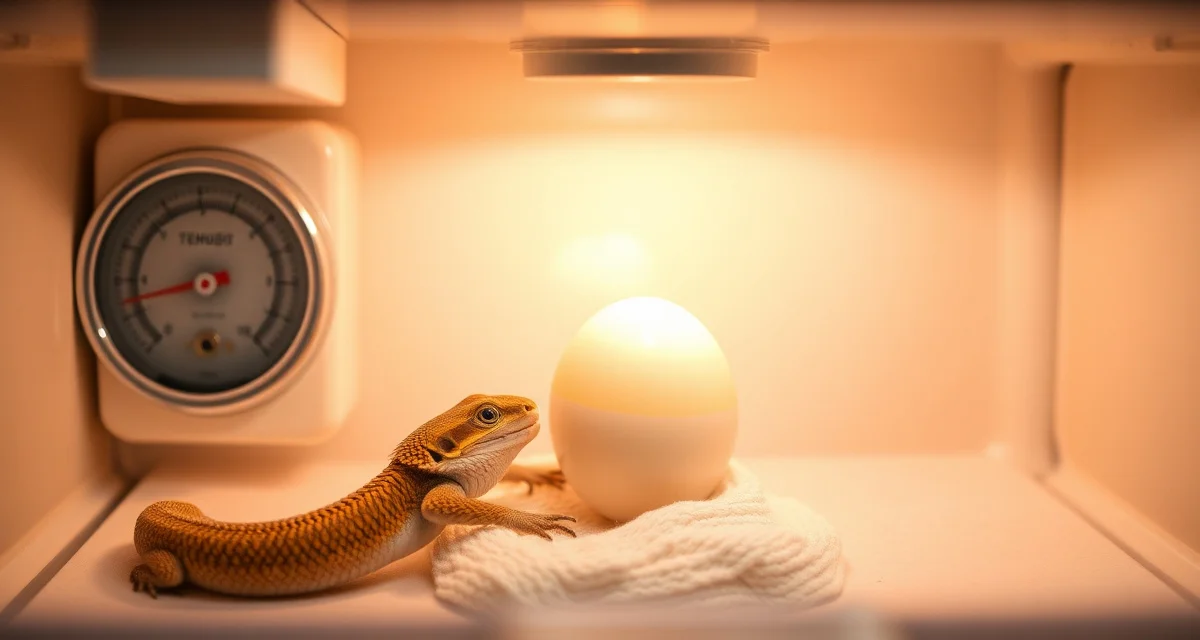
The window between when eggs are laid and when hatchlings emerge is one of the most critical periods in reptile breeding. Tracking it carefully tells you whether your incubation setup is working, flags problems early, and builds historical data that improves your program year over year.
Setting Up Your Hatch Record
Start the clutch record at lay, not at pip. You need the full incubation data to make sense of hatch outcomes:
- Lay date and time (if known)
- Number of fertile eggs and slugs
- Egg weights at lay
- Incubator model and location
- Target temperature and humidity
- Incubation medium used (vermiculite, perlite, Hatch-Rite, etc.)
These baseline entries give you context for interpreting everything that follows. If a clutch has a poor hatch rate, you can investigate whether the problem was the incubation setup, the eggs themselves, or something that happened during lay.
Monitoring During Incubation
Ball python eggs typically incubate for 55-65 days at 88-90°F. Check eggs every 1-2 weeks and note any changes. Healthy eggs stay firm, white to cream-colored, and gradually grow slightly as the embryo develops. Problem signs include:
- Denting or collapsing: often dehydration or embryo death
- Discoloration (yellow-brown or pink): can indicate bacterial contamination or a dead embryo
- Mold growth: treat immediately or segregate affected eggs
- Unusual odor: dead eggs often have a faint foul smell before visibly deteriorating
Log each inspection with a date and notes. "Eggs look fine" is less useful than "all 6 eggs firm, no visual changes, slight yellowing on seam of egg 3." The specificity matters when you're investigating a clutch problem later.
Candling
Candling eggs with a bright penlight or purpose-built egg candler shows whether an embryo is developing. Around day 20-30, viable eggs typically show visible veining and a developing embryo. Infertile eggs or early-death eggs appear uniformly yellow or amber without veining.
Record candling observations with dates. Some breeders photograph candled eggs to document development progression. This is particularly useful for first-time breeders learning to distinguish viable from non-viable eggs.
Pip and Hatch Dates
When hatchlings begin cutting their eggs (pipping), record the pip date. Ball pythons typically pip within a 24-48 hour window across a clutch, though some individual eggs can be a day or two ahead of or behind the main group.
Hatchlings often rest with their heads out for 1-3 days after pipping while absorbing remaining yolk sac. Don't pull them from eggs prematurely. Record the date each hatchling fully emerges.
The incubation period in days (lay date to first pip) combined with your incubation temperature is a useful data point. If your 89°F setup consistently produces pips at day 58, a clutch that's at day 65 with no pips warrants investigation.
Hatchling Count and Condition
When hatchlings are fully out and have had 24-48 hours to harden up, document:
- Total hatchling count
- Sex (probe or pop-test if you determine sex at hatch, or note if deferred)
- Visual morph assessment (record what each animal appears to be)
- Any abnormalities: retained yolk sac, kinking, umbilical issues
- Weight at first weigh-in
Compare hatchling count against fertile egg count. If you had 6 viable eggs and only 4 hatchlings emerged, document what happened to the other 2. Dead-in-egg hatchlings tell you something different than eggs that simply quit developing early.
Connecting Hatch Data to Genetics
Once you know what you have, compare hatchling morphs against expected genetic outcomes from the pairing. If a het x het clown pairing produced 8 hatchlings and none are visual clowns, that's statistically within the realm of normal for a small clutch, but worth noting in your breeding records.
If a clutch produces unexpected morphs, that's either a surprise het, a misidentified parent, or a mislabeled acquisition. Your clutch records for ball pythons should document the outcome against expectations clearly.
Using Hatch Data to Improve
After a full season, review your hatch rates across all clutches. If one incubator consistently underperforms another, something in the setup is different. If a particular female's eggs always have higher slug rates, she may have a reproductive health issue worth investigating.
HatchLedger connects clutch monitoring records to the breeding pair, the female's health history, and the hatchling inventory records. When something goes wrong, or right, you have the complete picture to learn from it.
FAQ
What is Clutch Hatch Tracking: From Eggs to Hatchlings?
Clutch hatch tracking is the practice of recording and monitoring every stage of a reptile clutch from egg lay through hatchling emergence. It involves logging lay dates, egg counts, incubation conditions, and daily observations during the pip-to-hatch window. On HatchLedger, this process is structured into a single clutch record that captures baseline data at lay and updates continuously, giving breeders a complete picture of each clutch's incubation history and outcome.
How much does Clutch Hatch Tracking: From Eggs to Hatchlings cost?
Clutch hatch tracking itself costs nothing beyond the time invested in record-keeping. HatchLedger provides tools to structure and store your clutch data — check the current pricing page for subscription details. The real value is in the long-term savings: catching incubation problems early, reducing hatchling losses, and building historical data that makes your breeding program more efficient and profitable over time.
How does Clutch Hatch Tracking: From Eggs to Hatchlings work?
You start a clutch record at lay, entering the lay date, egg count, slug count, egg weights, incubator model, target temperature and humidity, and incubation medium. During incubation you log weekly checks, noting egg appearance, weight changes, and any problem signs. When eggs pip, you record pip dates per egg and track the hatch window. Final entries capture hatchling counts, any assisted hatches, and outcome notes — creating a complete incubation record in one place.
What are the benefits of Clutch Hatch Tracking: From Eggs to Hatchlings?
Systematic hatch tracking helps you detect problems like dehydration, bacterial contamination, or temperature drift before they cause clutch-wide losses. It also builds a historical dataset showing which incubation setups, temperatures, and media produce your best hatch rates. Over multiple seasons, patterns emerge that improve pairing decisions, incubator management, and hatchling care protocols — turning each clutch into a data point that makes your entire breeding program stronger year over year.
Who needs Clutch Hatch Tracking: From Eggs to Hatchlings?
Any reptile breeder incubating eggs benefits from hatch tracking, but it is especially valuable for ball python breeders managing multiple clutches per season. Hobbyists gain peace of mind and better troubleshooting ability. Professional breeders use the data to justify setup investments, identify underperforming incubators, and document outcomes for buyers. If you are breeding morphs where clutch value is high, structured tracking is essential for protecting that investment from preventable losses.
How long does Clutch Hatch Tracking: From Eggs to Hatchlings take?
Ball python eggs typically incubate 55 to 65 days at 88 to 90°F before pipping. From first pip to full emergence usually takes 24 to 72 hours per egg, with some clutches stretching longer. The total tracking period — from lay record to final hatchling entry — spans roughly 8 to 10 weeks. Active monitoring is heaviest in the final week of incubation when pipping begins and daily checks become critical.
What should I look for when choosing Clutch Hatch Tracking: From Eggs to Hatchlings?
Look for a system that lets you record baseline incubation data at lay, not just at hatch. It should support per-egg tracking, temperature and humidity logging, and notes on problem signs like denting or discoloration. Historical reporting across multiple clutches is a key differentiator — single-clutch logs are useful, but the real value comes from comparing outcomes across seasons, incubators, and setups. HatchLedger is built specifically for this structured, multi-season approach.
Is Clutch Hatch Tracking: From Eggs to Hatchlings worth it?
Yes. Losing even one hatchling from a preventable incubation problem — a temperature spike, a dehydrating egg, a contamination event caught too late — can cost more than a full season of careful record-keeping. Beyond loss prevention, the historical data you accumulate over multiple seasons is genuinely irreplaceable. It informs better breeding decisions, surfaces patterns invisible in single-clutch memory, and turns gut-feel management into evidence-based practice that compounds in value every year.