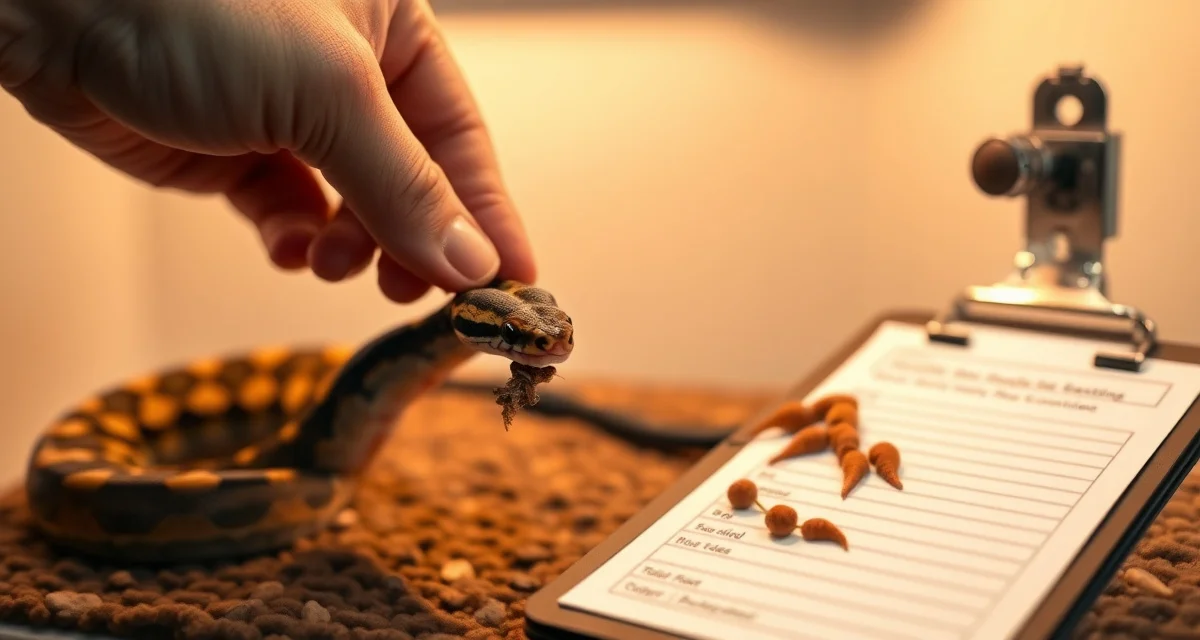
Hatchling Feeding Records for Reptile Breeders
By HatchLedger Editorial Team · Published 2025-07-06 · Updated Mar 13, 2026
Hatchling feeding records serve two audiences: you as the breeder managing the grow-out phase, and the buyers who will eventually care for the animals you sell. Thorough records support better care decisions while the hatchlings are in your care, and they provide buyers with the documented feeding history that builds confidence in their new animal.
What Buyers Actually Want to Know
When a buyer asks "is this animal eating?", what they're really asking is:
- Has it been eating consistently, or is this animal a problem feeder?
- What prey type and size is it currently eating?
- When did it last eat?
- Was it ever a problem and if so, what did it take to get it going?
Complete hatchling feeding records let you answer all of these questions specifically rather than vaguely. "Yes, this animal is eating well" is far less valuable than "This animal has taken 6 consecutive F/T pinkies since first shed on October 3rd, most recently on November 2nd."
Building the Record From First Shed
Start the feeding record at first shed, not at hatch. First shed is the trigger for first feeding attempts.
First shed date: Log this as soon as observed. It's the starting point of the feeding timeline.
Feeding attempt 1: Date, prey type, size, and outcome. Even if the animal refused, log it.
Subsequent attempts: Log every attempt until the animal establishes a consistent eating pattern.
Establishment milestone: When the animal has met your standard for consistent feeding (typically 3-5 consecutive accepted meals), mark this explicitly in the record. This is the date you can list the animal with confidence.
Documenting Problem Feeders
Some hatchlings require significant intervention to start eating. Document the complete sequence of approaches:
- Standard F/T pinky, no scent: refused (attempts 1-3)
- Scented with gerbil bedding: refused (attempt 4)
- Brain-perforated scented pinky: struck and constricted (attempt 5)
- Standard F/T pinky: accepted (attempt 6, 7, 8)
- Established feeder, no scenting required
This documentation is valuable. A buyer who knows the specific history of an animal's feeding establishment is less likely to panic after one refusal and more likely to succeed.
For animals that required live prey to initiate feeding, note this and also document the conversion to frozen/thawed history.
Prey Size Progression
As hatchlings grow, prey size should increase. Document the progression:
- Hatch at 65g: pinkies
- 2 months at 95g: fuzzies
- 4 months at 145g: hoppers
Tracking prey size alongside weight confirms that you're feeding appropriately sized prey and that the animal is growing on schedule. A hatchling still on pinkies at 150g is being underfed. A hatchling on hoppers at 70g may have a prey-size mismatch.
Feeding Records as Sales Documentation
When you sell an established hatchling, the feeding record becomes part of the animal's documentation. Providing a buyer with a simple feeding log summary, even just a few lines noting first feed date, current prey type and size, and date of last meal, is a professional practice that distinguishes serious breeders from casual sellers.
This documentation also protects you. If a buyer claims an animal was sold as "eating" when it wasn't, your feeding records are your evidence. Date-stamped entries showing multiple consecutive accepted meals are objective documentation.
HatchLedger's hatchling records include the complete feeding log alongside weight history, morph designation, and clutch origin. When you're listing animals for sale, that history is immediately available to share with buyers, and when animals are sold, the record transfers to the sale documentation automatically.
Your hatchling feeding log tracking during grow-out is the foundation of the complete hatchling feeding record that follows the animal through its life.
FAQ
What is Hatchling Feeding Records for Reptile Breeders?
Hatchling feeding records are detailed logs that reptile breeders maintain during the grow-out phase, tracking each animal's feeding history from first shed onward. They capture prey type, size, frequency, acceptance or refusal, and any troubleshooting steps taken. On HatchLedger, these records are organized per hatchling so breeders can monitor progress across an entire clutch and provide buyers with a complete, documented feeding history at the time of sale.
How much does Hatchling Feeding Records for Reptile Breeders cost?
HatchLedger offers hatchling feeding records as part of its reptile breeding management platform. Pricing depends on the plan you choose, with options scaled to the size of your operation. Basic record-keeping features are available at entry-level tiers, while advanced clutch management and buyer-ready export tools are included in higher plans. Visit HatchLedger.com for current pricing details and to find the plan that fits your breeding program.
How does Hatchling Feeding Records for Reptile Breeders work?
You start a feeding record at first shed—not hatch—since that's the trigger for first feeding attempts. For each feeding event, you log the date, prey type, prey size, and whether the animal accepted or refused. Refusals are logged too, along with any interventions like scenting or switching prey. Over time, the record builds a full timeline showing feeding consistency, which you can share directly with buyers at sale.
What are the benefits of Hatchling Feeding Records for Reptile Breeders?
Feeding records help breeders spot problem feeders early, track growth against intake, and make informed husbandry decisions during the grow-out phase. For buyers, they replace vague assurances with verifiable data—exact dates, prey types, and streak length. A record showing '6 consecutive F/T pinkies since first shed' is far more convincing than 'eating well.' This documentation builds buyer confidence and reduces post-sale disputes about feeding history.
Who needs Hatchling Feeding Records for Reptile Breeders?
Any reptile breeder producing hatchlings for sale benefits from feeding records, but they're especially important for ball python, corn snake, and colubrid breeders where feeding reluctance is common. Hobbyist breeders selling a few animals per season, as well as larger operations moving hundreds of hatchlings, both benefit. Buyers purchasing online—where they can't observe the animal eating in person—particularly rely on documented records to feel confident in their purchase.
How long does Hatchling Feeding Records for Reptile Breeders take?
Logging each feeding event takes under a minute per animal. The time investment at first shed is slightly higher as you set up the individual record, but ongoing entries are quick. Over a full grow-out period of 8–12 weeks, you'll accumulate a complete feeding history with minimal daily effort. The payoff at sale time is significant: you can answer buyer questions instantly and accurately without relying on memory.
What should I look for when choosing Hatchling Feeding Records for Reptile Breeders?
Look for a system that logs refusals, not just successful feeds—problem-feeding history is just as important as streaks. It should track prey type and size separately so you can document transitions. Per-animal records tied to clutch data make it easy to compare siblings. Exportable or shareable records are a major plus for buyer communication. HatchLedger is built specifically for reptile breeders and covers all of these requirements in one place.
Is Hatchling Feeding Records for Reptile Breeders worth it?
Yes. Feeding records pay off in multiple ways: better grow-out decisions, faster identification of animals needing intervention, and stronger buyer trust at sale. Buyers who receive documented feeding histories are more confident, less likely to report post-sale feeding issues, and more likely to return for future purchases. The time cost is minimal, and the records add tangible value to every animal you sell. For serious breeders, it's a standard part of professional operation.