Axanthic Clown Ball Python: Breeding Odds, Pairings and Market Value
By HatchLedger Editorial Team · Published 2025-03-20 · Updated Mar 13, 2026
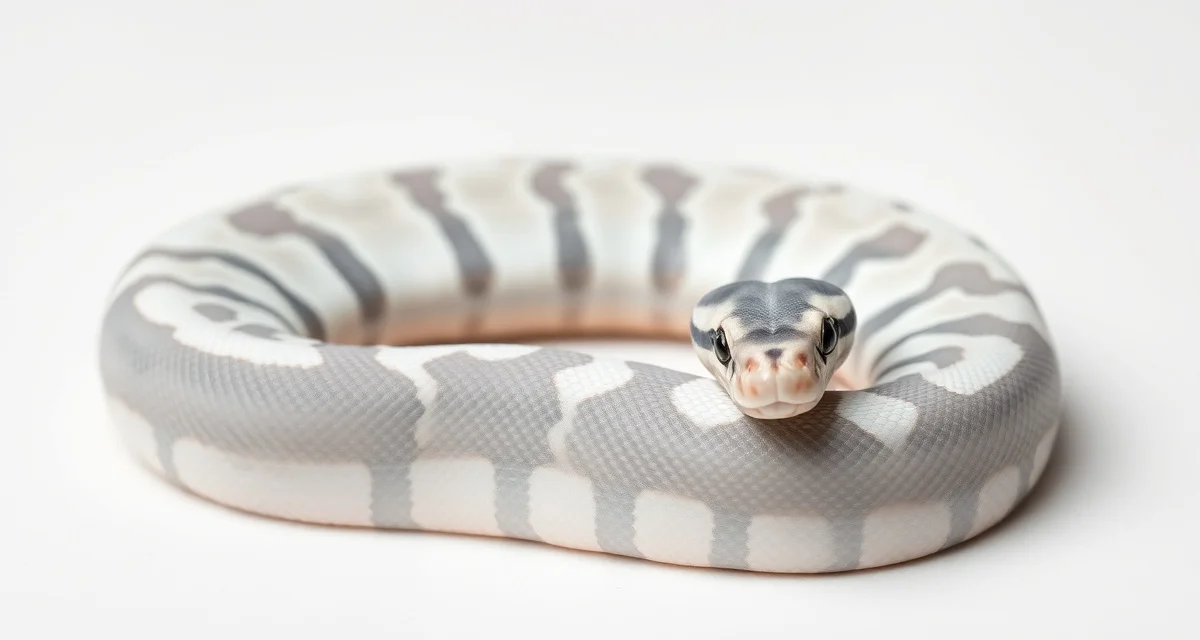
The axanthic clown ball python is one of the most visually arresting combos in ball python breeding. Axanthic removes the yellow pigment entirely, leaving grey, black, and white. Clown adds the alien head pattern expression and the distinctive clean look. Together, you get an animal that's almost monochromatic, stark grey patterning with the unmistakable clown expression, and almost no warm coloration at all.
TL;DR
- The Axanthic Clown combination requires careful planning across multiple genetic lines before visual animals can be produced.
- Recessive genes in any combination require both parents to carry the gene, making genetics guide the foundation of a successful project.
- Multi-recessive projects typically take 2-4 seasons from acquiring het stock before producing the target combination visual.
- Co-dominant genes in combinations show in single copy, allowing you to confirm the gene visually before selling or retaining animals.
- Documenting parentage for every animal in a multi-gene project is the only reliable way to maintain accurate het claims across generations.
These are serious collector animals. Both genes are recessive, which makes this a long-term project that requires careful multi-year planning. Breeders using integrated software report 30% less time on administrative tasks, and in a two-recessive project that spans multiple seasons, that time savings is notable.
The Two-Recessive Challenge of Axanthic Clown
Getting to visual axanthic clowns requires both genes to be present in double copy. If you're starting from scratch with a visual axanthic and a visual clown, year one produces double hets that look completely normal. Year two, pairing those double hets gives you roughly 1-in-16 odds per egg for a visual axanthic clown.
That's not discouraging, it's just reality. Plan for it financially. Know that your het animals have real market value to other breeders working the same project.
And remember: axanthic comes in different lines (VPI, TSK, Jolliff). Animals from different lines don't produce visual axanthics when paired. Line compatibility is non-negotiable.
How to Breed Axanthic Clown Ball Pythons
Step 1: Confirm Axanthic Line Compatibility
Before building any axanthic project, confirm which line your animals are from. This information should be in your purchase records. If you're unsure, contact the original breeder. Mixing lines produces het animals that cannot produce visual axanthics, a frustrating and expensive mistake.
Use the ball python morph calculator to model your multi-year clutch outcomes.
Step 2: Map Your Multi-Year Path
Work backward from the axanthic clown and figure out where you are now. Options:
- Visual Axanthic x Visual Clown: year one: all double hets. Year two: 1/16 visual axanthic clowns from double het pairings
- Double Het Axanthic Clown (100% het both) x Double Het: year one produces visual animals already
- Visual Axanthic Clown x Normal: produces 100% het for both, but only one gene visual
Purchasing confirmed double het axanthic clown animals is the fastest path to visual production.
Step 3: Condition Breeders
Females to 1,500g+. Heavy feeding through summer and fall. Temperature drop in October or November. Both axanthic and clown animals breed reliably.
Log every weight and feeding. In a multi-year project, documentation is ongoing and essential.
Step 4: Introduce and Track All Pairings
Evening introductions. Log every introduction and lock. Your pairing records are the proof of het status you'll sell alongside het animals for the next several seasons. Don't cut corners here.
Reintroduce weekly through November and December.
Step 5: Track Ovulation
Log ovulation immediately. Pre-lay shed at 30 days. Egg laying at 16-18 days post-shed. Precise logging matters across multi-season projects.
Step 6: Incubate Carefully
Eggs at 88-90°F, high humidity. Average clutch: 4-8 eggs. Mark containers with complete pairing data. Hatch window: 54-60 days.
Step 7: Identify Hatchlings
Visual axanthic clowns are unmistakable, grey, black, white, with clown pattern expression and virtually no yellow. Double hets look normal. Visual axanthics look grey. Visual clowns look like clowns.
Sex everything. Document everything. This documentation is your product alongside each animal.
What Axanthic Clown Ball Pythons Sell For
| Animal | Typical Range |
|--------|--------------|
| Double Het Axanthic Clown (50%) | $150 - $300 |
| Double Het Axanthic Clown (100%) | $500 - $1,000 |
| Visual Axanthic Clown | $1,500 - $3,500 |
| Visual Axanthic Clown female | $2,500 - $6,000+ |
Visual axanthic clowns are premium collector animals. Female visual axanthic clowns are among the highest-value animals a ball python breeder can sell. The grey, black, and white coloration with clown expression is genuinely one of the most striking things in the hobby.
Common Mistakes in Axanthic Clown Projects
Mixing axanthic lines. The single most damaging mistake in axanthic projects. Know your line.
Underestimating the timeline. Two recessive genes take multiple seasons. Budget for the long game.
Not pricing double hets correctly. Proven 100% double het axanthic clown animals sell for meaningful sums to other breeders. Know the market.
Not maintaining documentation across multiple seasons. Multi-year projects require sustained record-keeping. The ball python breeding hub has detailed guidance on long-term project management.
What is the best approach to axanthic clown ball python?
Confirm axanthic line compatibility first, this is non-negotiable. Then map your multi-year path to visual animals and source the best-documented double het animals you can afford. The fastest practical route to visual axanthic clowns is starting with 100% het double het animals and pairing them together. Know your timeline and budget before season one.
How do professional breeders handle axanthic clown ball python?
Professional breeders in axanthic clown projects maintain complete genetics documentation across every season, sell double het animals with proven provenance at appropriate prices, and track multi-season project costs so they know what visual animals need to return to make the project worthwhile. They also work from verified axanthic lines from the start, this is the foundation everything else rests on.
What software helps manage axanthic clown ball python?
HatchLedger connects breeding records to clutch P&L across multiple seasons, making multi-year two-recessive projects manageable. For axanthic clown projects where documentation and financial tracking extend over several years, having integrated records from day one is what keeps your project organized and professional.
Related Articles
- Cinnamon Clown Ball Python: Breeding Odds, Pairings and Market Value
- Clown Pied Ball Python: Breeding Odds, Pairings and Market Value
FAQ
What is Axanthic Clown Ball Python: Breeding Odds, Pairings and Market Value?
The Axanthic Clown ball python is a double recessive morph combining two powerful genes: axanthic, which strips yellow pigment leaving grey, black, and white tones, and clown, which produces a distinctive alien head pattern and clean, reduced patterning. Together they create a striking near-monochromatic animal that's highly sought after by serious collectors and advanced breeders.
How much does Axanthic Clown Ball Python: Breeding Odds, Pairings and Market Value cost?
Axanthic Clown ball pythons typically sell for $800–$2,500+ depending on sex, lineage, and visual quality. Females command a premium. Het animals sell for $150–$400 depending on het percentage. Prices vary by axanthic line — VPI and TSK axanthics carry different market values. Expect to invest significantly in foundation stock before producing visual animals.
How does Axanthic Clown Ball Python: Breeding Odds, Pairings and Market Value work?
Both axanthic and clown are recessive genes, meaning an animal must carry two copies of each gene to express the combo visually. Breeders typically start by pairing het-for-both animals, producing 1-in-16 odds of hitting the Axanthic Clown visual. Pairing a visual clown to a het axanthic improves odds but requires multiple generations of careful breeding.
What are the benefits of Axanthic Clown Ball Python: Breeding Odds, Pairings and Market Value?
The Axanthic Clown is one of the most visually distinctive combos available, offering breeders a high-value target animal with strong collector appeal. Because both genes are recessive, het animals are affordable entry points. The combo also pairs well with co-dominant genes like spider or pastel, allowing breeders to build complex, high-value multi-gene projects over time.
Who needs Axanthic Clown Ball Python: Breeding Odds, Pairings and Market Value?
This project suits intermediate to advanced ball python breeders who are comfortable with recessive genetics and multi-year breeding timelines. Collectors seeking rare, visually striking animals also drive strong demand. It's not ideal for beginners due to the planning, documentation, and patience required — but breeders with organized records and established breeding pairs can execute it efficiently.
How long does Axanthic Clown Ball Python: Breeding Odds, Pairings and Market Value take?
Plan for 2–4 breeding seasons from acquiring quality het stock before producing your first visual Axanthic Clowns. The first season produces het offspring. Subsequent pairings narrow the odds. Pairing proven het-for-both animals gives a 1-in-16 chance per egg of hitting the target combo, so clutch size and breeding frequency directly affect how quickly you see results.
What should I look for when choosing Axanthic Clown Ball Python: Breeding Odds, Pairings and Market Value?
Prioritize axanthic line compatibility — VPI, TSK, and other lines don't reliably produce visuals when crossed. Confirm your het stock comes from documented, trustworthy sources with clear parentage records. Look for animals with strong feeding responses and healthy body weight. Use breeding management software to track het percentages accurately and avoid compounding record-keeping errors across generations.
Is Axanthic Clown Ball Python: Breeding Odds, Pairings and Market Value worth it?
For committed breeders, yes. The Axanthic Clown commands strong market prices, has lasting collector appeal, and pairs well with additional genes to build even higher-value projects. The multi-year timeline and recessive complexity are real commitments, but breeders who document genetics carefully and source quality hets can produce premium animals that hold value well in the reptile market.
Sources
- USARK (United States Association of Reptile Keepers)
- Association of Reptilian and Amphibian Veterinarians (ARAV)
- MorphMarket (reptile industry market reference)
- World of Ball Pythons (WoBP genetics reference database)
- Reptiles Magazine (Bowtie Inc.)
Track Your Axanthic Clown Project Across Every Season
Get Started with HatchLedger
Building a Axanthic Clown project across multiple seasons means tracking genetics, parentage, and clutch outcomes that compound in complexity year over year. HatchLedger connects all of that data in one system so your project documentation stays accurate from first pairing through final sale. Try it free with up to 20 animals.